
How To Trick O2 Sensor
Understanding Oxygen Sensors: A Necessary Prelude
Before delving into methods of manipulating oxygen sensor signals, a solid understanding of their function and types is crucial. Oxygen (O2) sensors, also known as Lambda sensors, are critical components of modern vehicle emission control systems. They monitor the oxygen content in the exhaust gas stream, providing feedback to the engine control unit (ECU) to optimize the air-fuel ratio for efficient combustion and minimal emissions.
There are primarily two types of O2 sensors: Zirconia and Titania. Zirconia sensors generate their own voltage based on the oxygen difference between the exhaust gas and the ambient air, while Titania sensors change their resistance based on the oxygen concentration. Most modern vehicles utilize Zirconia sensors.
O2 sensors are strategically placed in the exhaust system, typically before (upstream) and after (downstream) the catalytic converter. Upstream sensors provide crucial data for fuel trim adjustments, ensuring the engine operates at or near the stoichiometric air-fuel ratio (14.7:1 for gasoline). Downstream sensors monitor the efficiency of the catalytic converter, indicating whether it's effectively reducing pollutants.
Methods Involving Resistors
One technique involves using resistors to alter the voltage signal sent to the ECU. This method aims to simulate a specific oxygen concentration, often to mimic a properly functioning catalytic converter in cases where it has been removed or is failing.
A common approach is to insert a resistor in series or parallel with the O2 sensor signal wire. The appropriate resistor value depends on the sensor type, circuit configuration, and desired output voltage. Experimentation with different resistor values might be necessary to achieve the desired effect. For example, a resistor in series might raise the signal voltage, simulating a leaner condition, while a resistor in parallel could lower it, mimicking a richer condition.
Caution: Incorrect resistor values can lead to inaccurate ECU readings, potentially causing engine performance issues, increased fuel consumption, and even damage to other engine components.
Using Oxygen Sensor Simulators
O2 sensor simulators are electronic devices designed to generate artificial O2 sensor signals. These simulators offer more precise and controllable signal manipulation compared to simple resistors. They can simulate a range of oxygen concentrations, allowing for fine-tuning of the signal sent to the ECU.
These simulators often feature adjustable parameters, such as voltage output and frequency. Some advanced simulators can even mimic the dynamic behavior of a real O2 sensor, responding to changes in engine load and exhaust gas composition.
Installation typically involves disconnecting the downstream O2 sensor and connecting the simulator in its place. The simulator then generates a pre-programmed or user-defined signal that fools the ECU into thinking the catalytic converter is functioning correctly.
Mechanical Spacers and Extensions
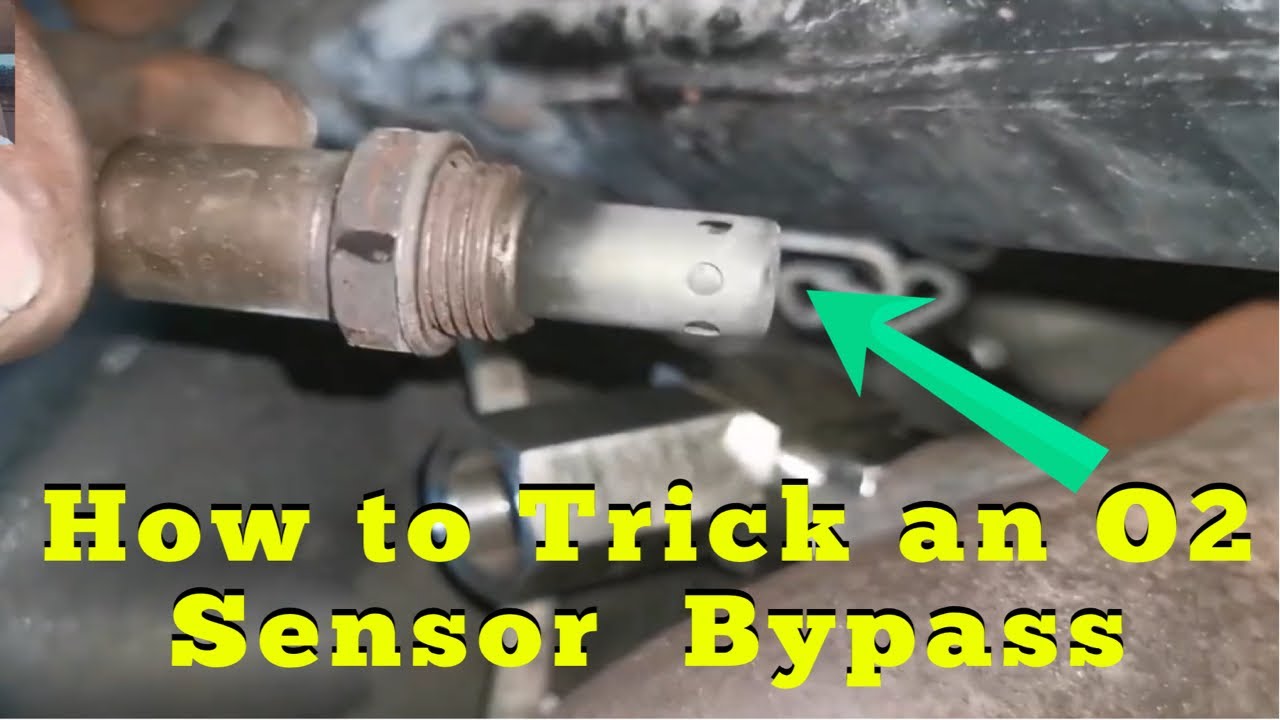
Mechanical O2 sensor spacers, also known as "defoulers," are physical devices that move the O2 sensor further away from the exhaust stream. This reduces the concentration of exhaust gases reaching the sensor, effectively lowering its output voltage and simulating a more efficient catalytic converter.
These spacers are typically made of metal and feature a threaded hole for the O2 sensor to screw into. They are installed between the exhaust pipe and the O2 sensor, creating a small gap. The size of the gap affects the amount of exhaust gas reaching the sensor, influencing its output signal.
This method is primarily effective on downstream sensors, as it doesn't directly impact fuel trim adjustments. It's a relatively simple and inexpensive solution, but its effectiveness can vary depending on the vehicle and the severity of the catalytic converter problem.
Software Modifications via ECU Tuning
ECU tuning, also known as remapping or chipping, involves modifying the engine control unit's software to alter its operating parameters. This can include disabling or modifying O2 sensor readings, effectively bypassing their input in the fuel trim calculations.
This method requires specialized software and hardware, as well as a thorough understanding of engine management systems. Tuners can adjust various parameters related to O2 sensor input, such as voltage thresholds, response times, and diagnostic trouble code (DTC) settings.
For example, a tuner could completely disable the downstream O2 sensor monitoring function, preventing the ECU from detecting a failing catalytic converter. Alternatively, they could adjust the sensor's voltage thresholds to allow for a wider range of acceptable readings.
Warning: Improper ECU tuning can have severe consequences, including engine damage, reduced fuel efficiency, and increased emissions. It should only be performed by qualified professionals with experience in engine management systems.
Considerations for Wideband Sensors
Wideband O2 sensors, also known as air-fuel ratio (AFR) sensors, are a more advanced type of O2 sensor that provides a more accurate and wider range of readings compared to narrowband sensors. They are typically used as upstream sensors in modern vehicles.
Manipulating wideband sensor signals requires more sophisticated techniques than those used for narrowband sensors. Resistor-based methods are generally ineffective, as wideband sensors rely on complex current-based feedback loops.
O2 sensor simulators designed specifically for wideband sensors are available. These simulators can mimic the behavior of a properly functioning wideband sensor, providing accurate AFR readings to the ECU.
ECU tuning is often the preferred method for manipulating wideband sensor signals, as it allows for precise control over the AFR target and sensor feedback parameters. However, this requires even greater expertise and caution due to the complexity of wideband sensor systems.
Safety Precautions and Potential Consequences
Working with electrical systems and exhaust components can be hazardous. Always disconnect the vehicle's battery before working on the electrical system to prevent electrical shocks or damage to sensitive electronic components. Wear appropriate safety gear, such as gloves and eye protection, when handling exhaust components, as they can be hot and may contain harmful substances.
Modifying O2 sensor signals can have significant consequences, including:
- Engine Damage: Incorrect air-fuel ratios can lead to engine knocking, overheating, and premature wear.
- Reduced Fuel Efficiency: Manipulating O2 sensor signals can disrupt the ECU's ability to optimize fuel consumption.
- Increased Emissions: Bypassing or altering O2 sensor readings can result in higher levels of pollutants being released into the atmosphere.
- Diagnostic Trouble Codes (DTCs): Tampering with O2 sensors can trigger various DTCs, making it difficult to diagnose other engine problems.
- Legal Ramifications: In many jurisdictions, it is illegal to tamper with or disable emission control devices.
Legal and Ethical Considerations
It is imperative to understand the legal implications of modifying or tampering with O2 sensors. Emission control systems are subject to strict regulations in many countries and regions. Defeating or disabling these systems can result in hefty fines, vehicle inspection failures, and even criminal charges.
Beyond the legal aspects, there are also ethical considerations. Emission control systems are designed to protect the environment by reducing harmful pollutants. Tampering with these systems contributes to air pollution and negatively impacts public health.
Before considering any modifications to O2 sensors or emission control systems, carefully weigh the potential risks, consequences, and ethical implications. Ensure that any modifications comply with applicable laws and regulations.
Troubleshooting O2 Sensor Issues Before Considering Manipulation
Before resorting to manipulating O2 sensor signals, it's crucial to properly diagnose and address the underlying cause of the problem. O2 sensor-related issues can stem from various sources, including:
- Faulty O2 Sensor: The sensor itself may be defective and providing inaccurate readings.
- Exhaust Leaks: Leaks in the exhaust system can introduce excess oxygen, skewing O2 sensor readings.
- Vacuum Leaks: Vacuum leaks can affect the air-fuel ratio, causing the ECU to adjust fuel trim based on inaccurate O2 sensor data.
- Fuel System Problems: Issues with fuel injectors, fuel pump, or fuel pressure regulator can disrupt the air-fuel mixture and impact O2 sensor readings.
- Catalytic Converter Failure: A failing catalytic converter can trigger O2 sensor-related DTCs.
Thoroughly inspect the O2 sensors, exhaust system, vacuum lines, and fuel system for any signs of damage or leaks. Use a scan tool to monitor O2 sensor readings and identify any abnormalities. Perform necessary repairs or replacements before considering any signal manipulation techniques.
Addressing the root cause of the problem is always the best approach. Manipulation techniques should only be considered as a temporary or last-resort solution in specific circumstances, and only after carefully evaluating the potential risks and consequences.
Conclusion
Modifying O2 sensor signals can be a complex and potentially risky undertaking. While various methods exist, each comes with its own set of challenges and potential consequences. A thorough understanding of O2 sensor function, engine management systems, and applicable regulations is essential before attempting any modifications.
Prioritize proper diagnostics and repairs before resorting to manipulation techniques. Always weigh the potential risks, legal implications, and ethical considerations before making any changes to O2 sensor systems. When in doubt, consult with a qualified automotive professional.