
How To Use Lucas Upper Cylinder Lubricant
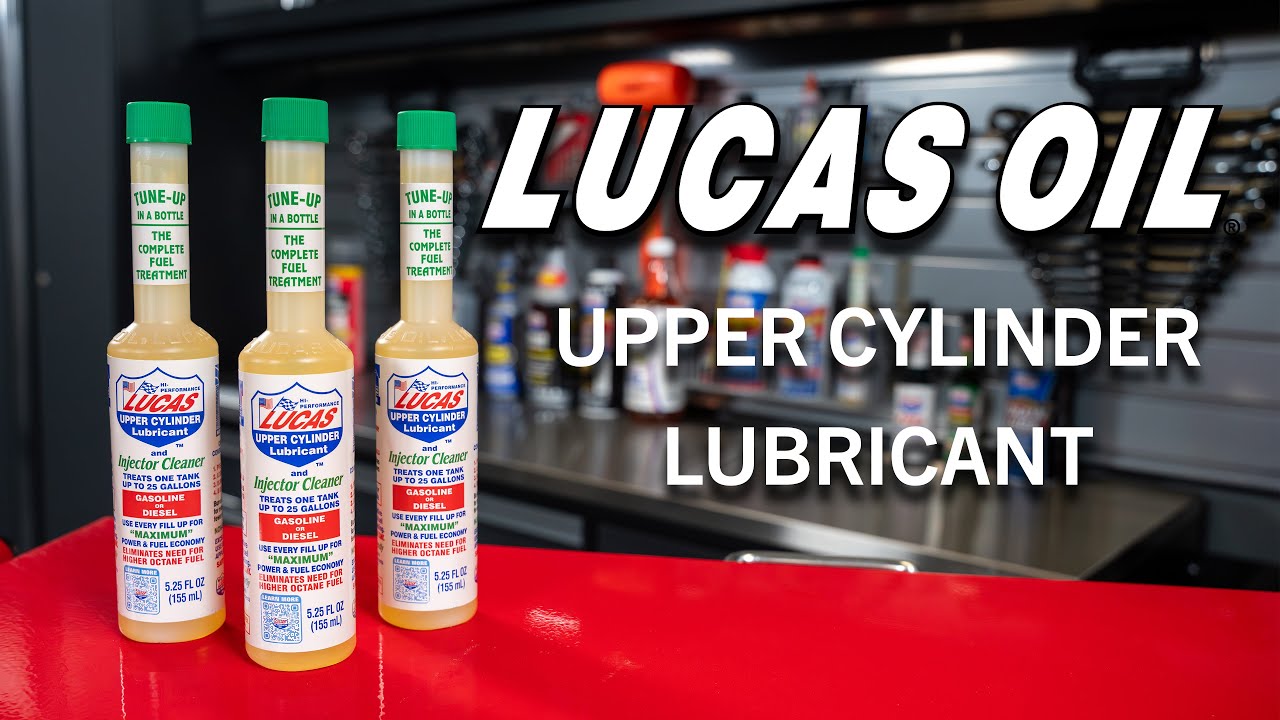
For years, Lucas Upper Cylinder Lubricant has been a staple in the garages of seasoned mechanics and casual car enthusiasts alike. But in a world of increasingly complex engine technologies, the question remains: how do you best use this additive, and is it still relevant for modern vehicles? Let's dive in, comparing application methods across different engine types and exploring the benefits and drawbacks.
The Lucas UCL Lowdown: What It Is and What It Claims to Do
Lucas Upper Cylinder Lubricant isn't your typical fuel injector cleaner. It's a blend designed to lubricate the upper cylinder area, promoting cleaner combustion, reducing carbon buildup, and potentially improving fuel economy. It also claims to help fight corrosion in the fuel system.
Application Methods: A Tale of Two Engines (and More!)
The application method of Lucas UCL largely depends on your vehicle. Here's a breakdown:
Carbureted Engines
Ah, the good old days! For those of you still rocking a classic with a carburetor, the process is simple. You'll need to add the UCL directly to the fuel tank before filling up. The recommended ratio is typically 2-3 ounces per 10 gallons of gasoline, but always consult the Lucas Oil product label for the most accurate instructions.
Fuel Injected Engines (Port and Direct)
The method remains the same – add to the fuel tank before filling up. However, the distinction between port and direct injection engines is crucial when evaluating the *effectiveness* of UCL. Port injection engines spray fuel onto the intake valves, allowing the UCL to coat and clean them. Direct injection engines, on the other hand, inject fuel directly into the combustion chamber, bypassing the intake valves. Therefore, the valve-cleaning benefits of UCL are significantly reduced in direct injection applications.
Diesel Engines
While Lucas UCL is primarily marketed for gasoline engines, some users incorporate it into their diesel fuel. The logic is similar – to lubricate the upper cylinders and fuel system components. However, it's essential to confirm compatibility with your specific diesel engine and fuel system. Consult the Lucas Oil website or a qualified diesel mechanic before adding UCL to your diesel fuel. Some newer diesel engines with sensitive fuel systems may not react well to aftermarket additives.
Spec Table: UCL Dosage Recommendations
| Engine Type | Recommended Dosage | Notes |
|---|---|---|
| Carbureted Gasoline | 2-3 oz per 10 gallons | Mix thoroughly with fuel. |
| Port Fuel Injected Gasoline | 2-3 oz per 10 gallons | Mix thoroughly with fuel. |
| Direct Fuel Injected Gasoline | 2-3 oz per 10 gallons | Valve cleaning benefits are minimal. |
| Diesel (Consult Before Use) | Follow Lucas Oil recommendations *specifically for Diesel* (if available) | Verify compatibility with your engine. |
Pros and Cons: Should You Use Lucas UCL?
- Pros:
- Potential for improved fuel economy (especially in older engines).
- Helps lubricate upper cylinder area, reducing wear.
- May help clean fuel injectors (more effective in port fuel injected engines).
- Can help prevent fuel system corrosion.
- Cons:
- Limited valve-cleaning benefits in direct injection engines.
- Effectiveness can be subjective and difficult to quantify.
- Potential incompatibility with some sensitive diesel fuel systems.
- Modern fuels often contain detergents already, reducing the need for additives.
Real-World Driving Impressions: Does It Actually Work?
The effectiveness of Lucas UCL is a hotly debated topic. Some drivers report a noticeable improvement in throttle response and fuel economy, especially in older vehicles with higher mileage. Others experience little to no change. A lot depends on the condition of your engine, the quality of fuel you typically use, and your driving style.
In my own experience, using Lucas UCL in a 1998 BMW 528i (port fuel injected) resulted in a slightly smoother idle and a modest improvement in fuel economy (around 1-2 mpg). However, in a 2015 VW GTI (direct injected), the effects were negligible. This aligns with the understanding that the UCL primarily benefits intake valve cleanliness, which is not a factor in direct injection engines.
For older carbureted or port-injected engines, UCL can be a worthwhile preventative maintenance measure. For newer direct-injected engines, you might be better off focusing on high-quality fuel and regular fuel injector cleaning services.
Final Thoughts: Is UCL Still Relevant?
While the benefits of Lucas UCL may be less pronounced in modern vehicles with sophisticated fuel systems, it can still offer value in older engines. Ultimately, the decision to use it comes down to personal preference and a careful assessment of your vehicle's needs. Always follow the manufacturer's recommendations and prioritize preventative maintenance.
So, here's the fun part: Let's spark a debate! What's YOUR experience with Lucas Upper Cylinder Lubricant? Snake oil or a legitimate performance enhancer? Share your thoughts in the comments below! And, more importantly, what's the highest mileage you've ever gotten from a car *without* using fuel additives? Let's see those numbers!