
How To Wire A Trailer With Trailer Brakes
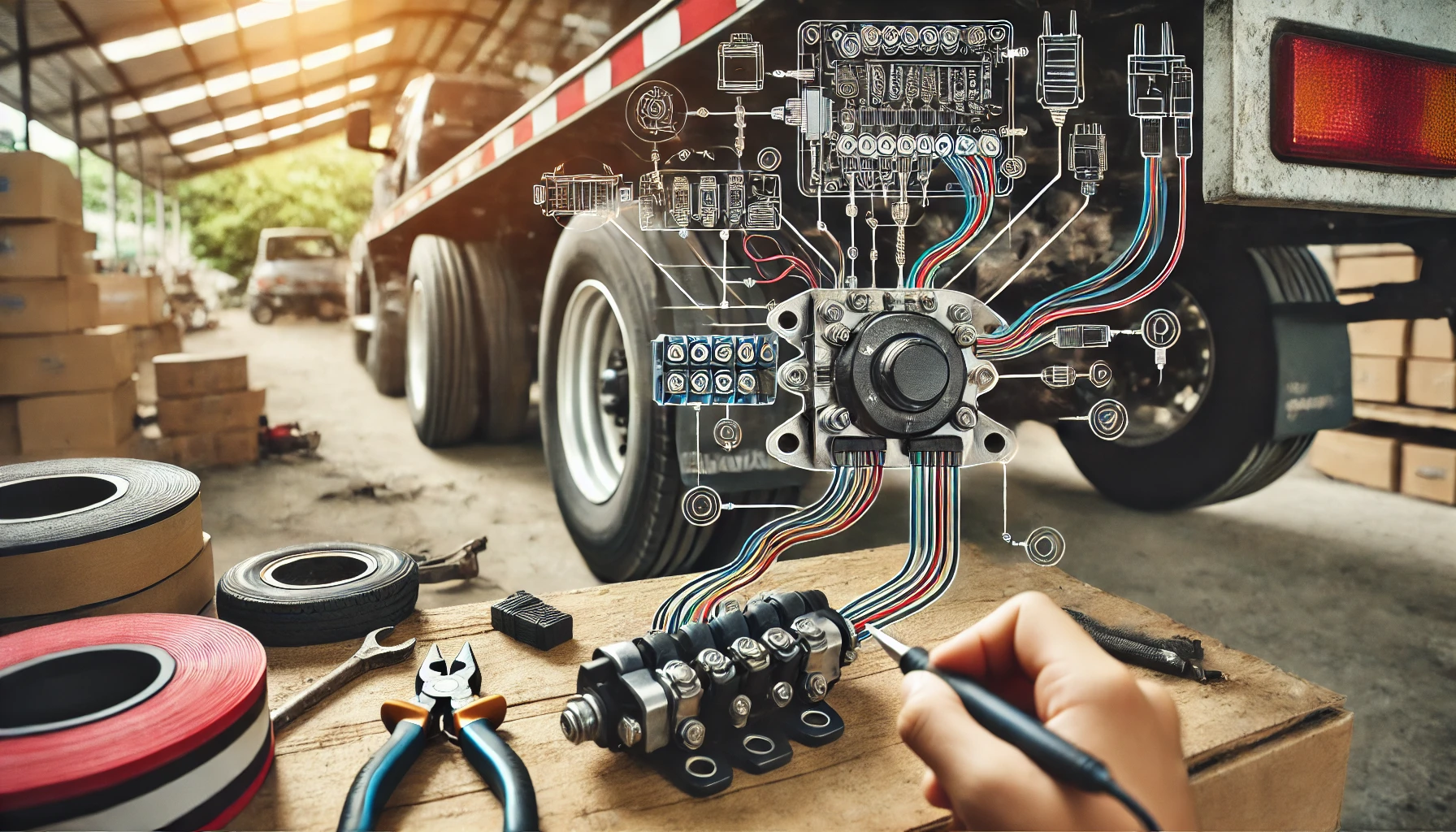
Wiring a trailer, especially one equipped with electric brakes, might seem like a daunting task. However, with the right tools, a bit of knowledge, and a systematic approach, it's a project well within the capabilities of a car enthusiast or hobby mechanic. This article breaks down the process, explaining the complexities in easy-to-understand terms, ensuring a safe and functional connection between your vehicle and your trailer.
Understanding Trailer Brake Systems
Before diving into the wiring itself, it's crucial to grasp the basics of trailer brake systems. Most trailers with a gross vehicle weight rating (GVWR) exceeding a certain threshold (often 3,000 lbs, but check your local regulations) are required to have brakes. Electric brakes are the most common type found on recreational and utility trailers.
How do electric trailer brakes work? In essence, they're controlled by an electrical signal from the tow vehicle. When you press the brake pedal in your truck or SUV, a brake controller sends a proportional voltage to the trailer's electric brake magnets. These magnets energize and pull on the brake drums, slowing the trailer down. The brake controller is the brain of the operation, determining how much braking force to apply to the trailer based on how hard you're braking in the tow vehicle.
Key Components:
- Trailer Brake Controller: Mounted in the tow vehicle, it senses deceleration and sends a signal to the trailer brakes.
- 7-Way Connector: The standard connector for trailers with brakes, providing connections for lights, brakes, and auxiliary power.
- Electric Brake Magnets: Located inside the trailer's brake drums, these activate the brakes.
- Wiring Harness: A bundle of wires connecting all the components.
- Breakaway Switch: A safety device that automatically applies the trailer brakes if the trailer becomes detached from the tow vehicle.
The 7-Way Connector: Your Electrical Hub
The 7-way connector is the linchpin of the trailer wiring system. It provides connections for various functions, including:
- Ground (White): Provides a return path for all electrical circuits. Crucial for proper function.
- Tail Lights (Brown): Activates the trailer's tail lights along with the tow vehicle's.
- Left Turn/Stop (Yellow): Controls the left turn signal and brake light on the trailer.
- Right Turn/Stop (Green): Controls the right turn signal and brake light on the trailer.
- Electric Brakes (Blue): Carries the signal from the brake controller to the trailer's electric brakes.
- Reverse Lights (Black): Activates the trailer's reverse lights when the tow vehicle is in reverse.
- Auxiliary Power (Red): Provides a 12V DC power source for accessories like interior lights or a battery charger.
While the above color coding is standard, always double-check the wiring diagram for your specific connector. Different manufacturers might use slightly different color schemes, especially on older vehicles or aftermarket installations.
Wiring Your Tow Vehicle
The process of wiring your tow vehicle involves installing a brake controller and connecting it to the 7-way connector. Here's a simplified breakdown:
- Install the Brake Controller: Choose a brake controller compatible with your vehicle's braking system (proportional or time-delayed). Many newer vehicles, like the Ford F-150 or Chevrolet Silverado, come pre-wired for brake controllers with a dedicated connector under the dashboard. Consult your owner's manual for the specific location. For older vehicles, you'll need to run wires from the controller to the battery, brake light switch, and 7-way connector.
- Connect the Brake Controller to the 7-Way Connector: This is where the color-coding is essential. The brake controller typically has four wires:
- Power (Black): Connect this to the 12V auxiliary power pin (Red) on the 7-way connector, running a heavy-gauge wire (10 or 12 AWG) directly to the vehicle's battery with an inline fuse.
- Ground (White): Connect this to the ground pin (White) on the 7-way connector.
- Brake Light Switch (Red or Blue, depending on controller): This wire senses when you press the brake pedal. You'll need to tap into the brake light circuit. Use a circuit tester to identify the correct wire at the brake light switch.
- Output to Trailer Brakes (Blue): This wire carries the signal to the trailer brakes and connects to the blue wire on the 7-way connector.
- Wire the 7-Way Connector: Connect the remaining wires from the vehicle's lighting system to the corresponding pins on the 7-way connector. You can usually find the necessary wires in the vehicle's wiring harness near the trailer hitch. Use butt connectors or solder and heat shrink tubing for secure and weatherproof connections.
Example: Let's say you're wiring a brake controller in a 2015 Jeep Grand Cherokee. You'd typically find a pre-wired connector under the dashboard. You'd connect the brake controller's wires to this connector, matching the colors according to the Jeep's wiring diagram. Then, you'd wire the 7-way connector, tapping into the Jeep's tail light and turn signal circuits.
Wiring Your Trailer
Wiring the trailer is generally simpler than wiring the tow vehicle. The main task is to connect the wires from the 7-way connector to the appropriate lights and the electric brake magnets.
- Connect the 7-Way Connector: Run the wires from the trailer's 7-way connector to a junction box on the trailer frame.
- Wire the Lights: Connect the tail lights, turn signals, and brake lights to the corresponding wires in the junction box. Ensure all connections are secure and weatherproof.
- Wire the Electric Brakes: Connect the blue wire (brake signal) to one of the wires on each electric brake magnet. Connect the other wire on each magnet to the ground wire (white). It doesn't matter which wire you connect to which terminal on the magnet.
- Wire the Breakaway Switch: The breakaway switch is a crucial safety device. Connect one wire from the breakaway switch to the trailer's battery (if equipped). Connect the other wire to the blue wire (brake signal) that runs to the electric brake magnets. This ensures that if the trailer detaches, the breakaway switch will activate the brakes.
- Proper Grounding: Ensure that all ground connections are clean and secure. Grounding issues are a common cause of trailer wiring problems.
Example: Imagine you're wiring a utility trailer with electric brakes. You'd run the wires from the 7-way connector to a junction box, connect the lights as described above, and then connect the blue wire to one wire on each of the brake magnets. The other wire from each magnet would be connected to the trailer's frame, providing a ground.
Testing and Troubleshooting
After wiring both the tow vehicle and the trailer, thorough testing is essential.
- Check the Lights: Verify that all lights (tail lights, brake lights, turn signals, reverse lights) are functioning correctly.
- Test the Brakes: Use the brake controller to manually activate the trailer brakes. You should be able to hear and feel the brakes engaging.
- Test the Breakaway Switch: Disconnect the breakaway switch from the trailer. The trailer brakes should immediately engage.
- Use a Multimeter: A multimeter is your best friend for troubleshooting. Check for voltage at the 7-way connector pins when the corresponding function is activated (e.g., check for voltage on the blue wire when the brake controller is manually activated).
Common Problems:
"My trailer lights are dim or flickering." - This is often caused by a poor ground connection.
"My trailer brakes are not working." - Check the brake controller settings, the wiring connections, and the condition of the brake magnets.
"My breakaway switch is not working." - Ensure the breakaway switch is properly connected to the trailer battery and the brake signal wire.
Practical Takeaways
- Always Use a Wiring Diagram: Don't rely solely on wire colors. Refer to the wiring diagrams for both your tow vehicle and trailer.
- Make Secure Connections: Use butt connectors, solder, and heat shrink tubing to ensure weatherproof and reliable connections.
- Protect Your Wires: Use wire loom or conduit to protect the wires from damage and abrasion.
- Regular Maintenance: Inspect your trailer wiring regularly for signs of damage or corrosion. Clean and lubricate the 7-way connector to prevent corrosion.
- Don't be Afraid to Ask for Help: If you're unsure about any aspect of the wiring process, consult a qualified mechanic or trailer repair shop.
By understanding the principles of trailer brake systems and following these steps, you can confidently wire your trailer and enjoy safe and worry-free towing.