
I Changed My Brakes And They Still Squeak
So, you just spent the weekend replacing your brakes. You followed the instructions, torqued everything properly, and bled the lines. But now, every time you come to a stop, that dreaded squealing noise pierces the air. What went wrong? You're not alone. Brake squeal after a replacement is a surprisingly common problem, and often, it's not indicative of a serious issue, but rather a nuisance that requires a bit of troubleshooting.
Understanding the Anatomy of a Squeal
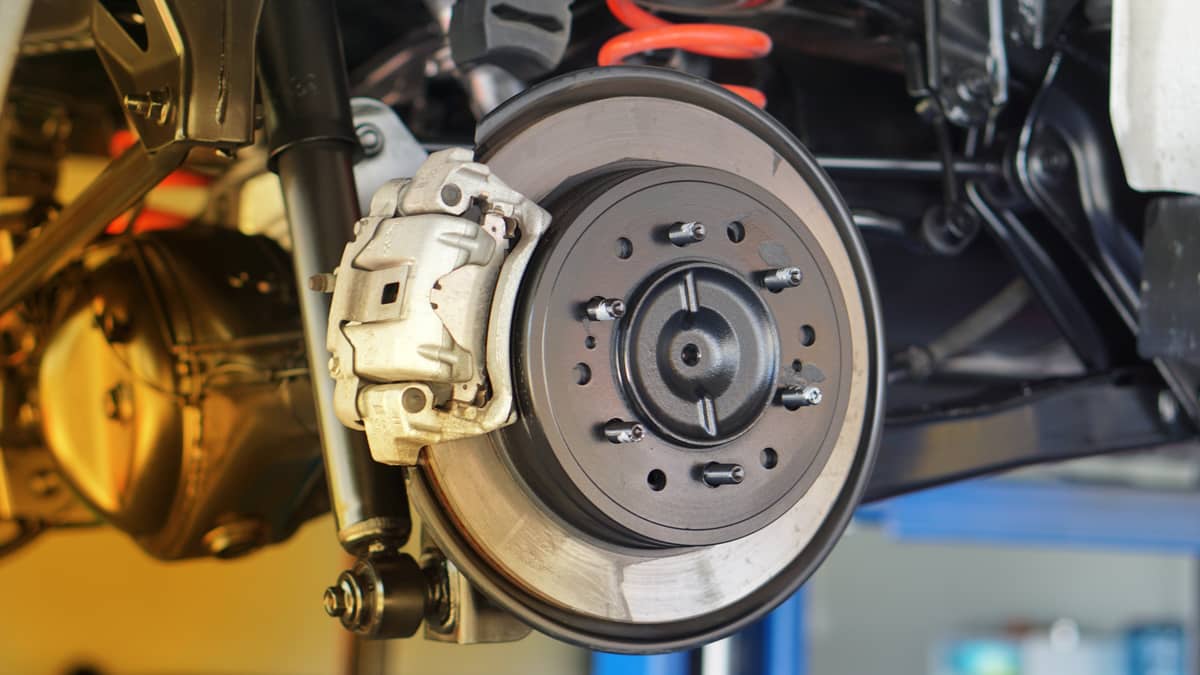
Before diving into the potential causes, let's understand where brake squeal originates. Brakes work by creating friction between the brake pads and the rotor (also called a disc). When you press the brake pedal, hydraulic pressure forces the caliper to clamp the pads against the rotor, slowing the car down. That friction, even under normal conditions, can produce vibrations. Brake squeal is simply an audible manifestation of these vibrations. Think of it like rubbing a wet finger around the rim of a wine glass – the vibration creates sound.
Several factors influence the frequency and intensity of these vibrations. The materials used in the pads and rotors, the design of the braking system, and even environmental conditions play a role.
Common Culprits Behind the Squeal
Here are some of the most common reasons why your brakes might be squealing even after a replacement:
- Pad Composition: This is often the primary culprit. Brake pads come in various formulations: organic (non-metallic), semi-metallic, and ceramic. Organic pads are typically quieter but wear out faster and are less effective at higher temperatures. Semi-metallic pads offer a good balance of performance and durability but are more prone to noise. Ceramic pads are known for their quiet operation, long life, and consistent performance, but they are generally the most expensive. If you switched to a different pad composition than what was originally on your vehicle, the squeal might simply be a characteristic of the new pads. For example, a 2015 Honda Civic originally equipped with organic pads might squeal more noticeably if upgraded to semi-metallic pads for increased performance. Some performance-oriented vehicles, like certain BMW M models, often come with semi-metallic pads from the factory, and their owners are simply accustomed to a certain level of brake noise.
- Rotor Surface: New rotors are crucial for a proper brake job, but even new rotors can have imperfections. Runout (warping) or uneven thickness variations can cause vibrations and noise. If you reused your old rotors, it's even more likely that the surface is contributing to the problem. Grooves, rust, or excessive wear on the rotor surface create inconsistent contact with the pads, leading to vibrations and squealing. Imagine trying to write smoothly on a piece of sandpaper – the uneven surface would cause the pen to vibrate. A rotor that is not properly "bedded" (broken-in) can also cause noise.
- Hardware Issues: The various hardware components of the braking system – calipers, slides, shims, and springs – all play a role in keeping the pads properly aligned and dampened. If any of these components are worn, corroded, or improperly installed, they can contribute to squeal. For example, seized caliper slides prevent the caliper from moving freely, causing uneven pad wear and noise. Similarly, missing or damaged shims (thin pieces of metal or rubber that fit between the pad and the caliper) can fail to dampen vibrations. Consider a 2010 Ford F-150; its brake system relies on smooth caliper slide movement. If these slides are rusty and sticking, the pads will drag and potentially squeal.
- Lack of Lubrication: Certain points in the braking system require lubrication to prevent friction and noise. Applying brake grease to the back of the pads (where they contact the caliper piston), the caliper slides, and the contact points between the pads and the shims is essential. Failing to lubricate these areas can create friction and allow vibrations to resonate. Think of the hinges on a squeaky door; a little lubrication usually quiets them right down. The same principle applies to brake components.
- Foreign Debris: Dirt, dust, and debris can get trapped between the pads and rotors, creating abrasive contact and noise. This is especially common in dusty or off-road environments. Driving a Jeep Wrangler off-road, for example, exposes the brakes to a lot of dirt and grit, which can easily get lodged in the brake system.
- Incorrect Installation: Even if you used the correct parts, improper installation can lead to squeal. For example, not properly seating the pads in the caliper or overtightening the caliper bolts can distort the caliper and cause uneven pad wear and noise.
- New Pads and Old Rotors: While replacing only the pads *can* work, it's not always recommended, especially if the old rotors have significant wear or scoring. The new pads need a smooth, even surface to mate with. Old, worn rotors can quickly damage the new pads and cause squeal.
Troubleshooting the Squeal: A Step-by-Step Approach
Now that you understand the potential causes, let's look at how to troubleshoot the squeal.
- Visual Inspection: Start with a thorough visual inspection. Check the rotors for signs of wear, scoring, or rust. Examine the pads for even wear. Look for any signs of damage or corrosion on the calipers, slides, and other hardware. Ensure that all components are properly installed.
- Lubrication: If everything looks okay visually, try lubricating the appropriate areas of the braking system. Remove the pads and apply a thin layer of brake grease to the back of the pads, the caliper slides, and the contact points between the pads and shims. Be careful not to get any grease on the friction surface of the pads or rotors.
- Bedding In: Properly bedding in the new pads can help eliminate squeal. This involves performing a series of controlled stops to transfer a thin layer of pad material onto the rotor surface. The specific bedding-in procedure varies depending on the pad manufacturer, so consult the instructions that came with your pads. A typical procedure might involve performing several moderate stops from 40 mph to 10 mph, followed by a cool-down period.
- Hardware Replacement: If lubrication and bedding in don't solve the problem, consider replacing the brake hardware. New caliper slides, shims, and springs can often make a significant difference.
- Rotor Resurfacing or Replacement: If the rotors are worn or scored, resurfacing them (machining them to create a smooth surface) or replacing them altogether may be necessary. Resurfacing is generally less expensive than replacement, but it can only be done if the rotors are within the minimum thickness specification.
- Consider the Pad Material: If the squeal persists, and you suspect the pad material is the issue, you might consider switching to a different pad formulation. If you installed semi-metallic pads, for example, switching to ceramic pads might reduce the noise.
When to Consult a Professional
While many brake squeal issues can be resolved with DIY troubleshooting, some situations warrant the expertise of a professional mechanic. If you're uncomfortable working on your brakes, or if you suspect a more serious problem (such as a faulty caliper or master cylinder), it's best to take your car to a qualified technician. Brakes are a critical safety system, and any mistakes can have serious consequences.
Also, if the squeal is accompanied by other symptoms, such as grinding, pulling to one side when braking, or a soft brake pedal, it's essential to have the system inspected by a professional immediately.
Ignoring persistent brake noise or attempting to "live with it" is never a good idea. What starts as a minor squeal could eventually indicate a more serious problem that compromises your safety.
Practical Takeaways
Here are some practical takeaways to help you deal with brake squeal:
- Use quality parts: Don't cheap out on brake components. Invest in reputable brands and choose pads and rotors that are appropriate for your vehicle and driving style.
- Follow instructions carefully: Read and understand the instructions that come with your brake components. Pay attention to torque specifications and installation procedures.
- Lubricate properly: Don't skimp on the brake grease. Apply it liberally to all the appropriate contact points.
- Bed in new pads: Properly bedding in new pads is essential for optimal performance and noise reduction.
- Inspect regularly: Regularly inspect your brakes for signs of wear, damage, or leaks.
- Don't ignore the noise: Investigate any unusual brake noise promptly.
By understanding the potential causes of brake squeal and following these troubleshooting steps, you can often resolve the issue yourself and enjoy quiet, confident braking. Remember, your safety is paramount, so if in doubt, consult a professional.