
If My Car Is Overheating What Should I Do
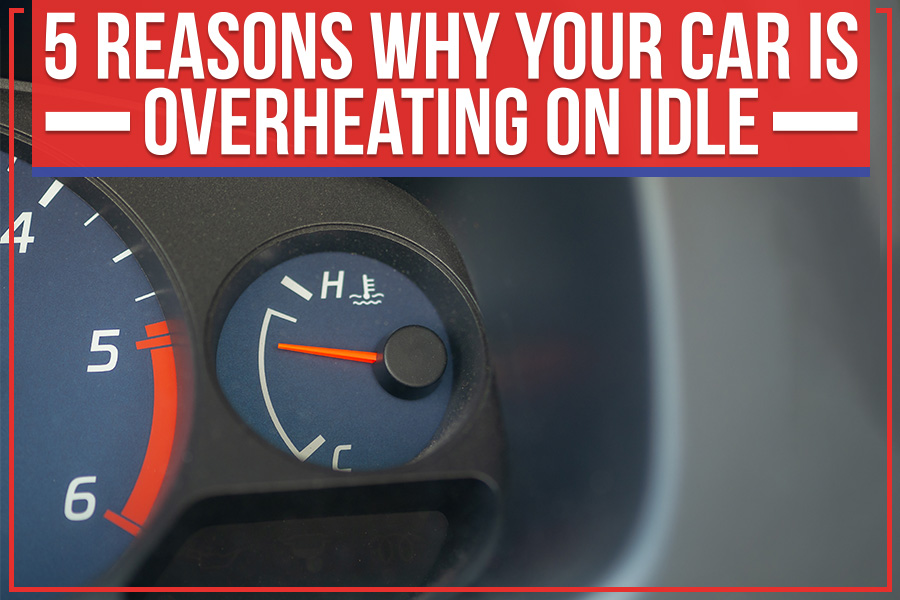
The dreaded steam billowing from under the hood. The rising temperature gauge creeping into the red zone. Overheating. For generations, this has been a nightmare scenario for drivers, often leaving them stranded and facing potentially expensive repairs. But the landscape of mobility is changing rapidly, and with it, the very nature of overheating itself is being redefined.
Beyond the Basics: The Core Principles Remain
While the technology surrounding our vehicles evolves at an astonishing pace, some fundamental principles remain. If you see signs of overheating – steam, a rapidly rising temperature gauge, a burning smell – the first rule is still to pull over safely. Turn on your hazard lights and allow the engine to cool down. Do not attempt to remove the radiator cap while the engine is hot. The pressurized coolant can cause severe burns. Check your coolant level (when safe) and add coolant or water if needed. If the overheating persists, call for roadside assistance.
Electric Vehicles: A Different Kind of "Overheating"
The rise of electric vehicles (EVs) brings a new perspective to the discussion. Traditional internal combustion engine (ICE) overheating, caused by excessive heat generated from combustion, is largely absent in EVs. However, EVs are not immune to thermal management issues. Their batteries, motors, and power electronics generate heat during operation, especially during rapid charging or demanding driving. If an EV's thermal management system fails, it can lead to reduced performance, battery degradation, and in extreme cases, even thermal runaway (though this is extremely rare). Modern EVs are equipped with sophisticated monitoring systems that alert drivers to any thermal anomalies in the battery pack. These alerts often trigger performance limitations to protect the battery from damage.
Future advancements will focus on more efficient cooling systems for EVs, including liquid immersion cooling and improved heat dissipation materials. Solid-state batteries, with their higher operating temperatures and reduced flammability risk, represent a significant step towards minimizing thermal management concerns in EVs.
Hybrid Systems: The Best of Both Worlds (and Challenges)
Hybrid vehicles present a unique challenge, combining the complexities of both ICE and electric powertrains. This means hybrid systems are vulnerable to both traditional overheating issues in the ICE component and thermal management issues in the battery and electric motor. The control systems in hybrids are designed to carefully balance the operation of both systems to optimize efficiency and prevent overheating. Advanced diagnostics and predictive maintenance technologies are becoming increasingly important in identifying potential thermal management problems in hybrid vehicles before they escalate. Over-the-air software updates can also play a crucial role in optimizing cooling strategies and preventing overheating in hybrid systems.
Smart Automotive Solutions: Preventing Overheating Before It Happens
The future of overheating prevention lies in smart automotive solutions. Connected car technology allows vehicles to share real-time data about their operating conditions with cloud-based diagnostic platforms. These platforms can analyze data from thousands of vehicles to identify patterns and predict potential overheating issues. Predictive maintenance algorithms can then alert drivers to potential problems before they occur, allowing them to schedule preventative maintenance and avoid breakdowns.
Furthermore, advanced driver-assistance systems (ADAS) are incorporating features that can mitigate the risk of overheating. For example, adaptive cruise control can optimize driving speed and acceleration to reduce engine load and heat generation. Navigation systems can suggest routes that minimize uphill driving, further reducing stress on the engine. In the future, AI-powered systems may even be able to learn individual driving styles and adjust vehicle settings to minimize the risk of overheating based on those patterns.
The Challenges Ahead
While these technological advancements offer significant promise, several challenges remain. Ensuring the cybersecurity of connected car systems is paramount to prevent malicious actors from manipulating vehicle data and causing overheating issues. The cost of advanced diagnostic and predictive maintenance technologies may initially be prohibitive for some drivers, creating a disparity in access to these benefits. Furthermore, the accuracy and reliability of predictive maintenance algorithms depend on the quality and quantity of data collected, requiring significant investments in data infrastructure and analytics.
There is also the issue of consumer acceptance. Drivers need to be educated about the benefits of these new technologies and convinced that they are worth the investment. Building trust in AI-powered systems is crucial, as drivers may be hesitant to rely on algorithms to make decisions about their vehicles.
A Vision of the Future
Imagine a future where overheating is a relic of the past. Vehicles are equipped with intelligent thermal management systems that proactively prevent overheating. Connected car technology and AI-powered diagnostics ensure that potential problems are identified and addressed before they ever become an issue. Self-healing materials repair minor leaks and damage to cooling systems automatically. And when the time comes to replace your vehicle, you'll choose an electric or hydrogen-powered vehicle with a near-silent, ultra-efficient powertrain that produces minimal heat. This future is not just a dream; it is a realistic and achievable goal. By embracing innovation, investing in research and development, and fostering collaboration between automakers, technology companies, and consumers, we can create a world where mobility is not only more efficient and sustainable but also more reliable and worry-free. The open road awaits; let's ensure it's a smooth and cool ride for everyone.