
Infiniti And Nissan Are The Same
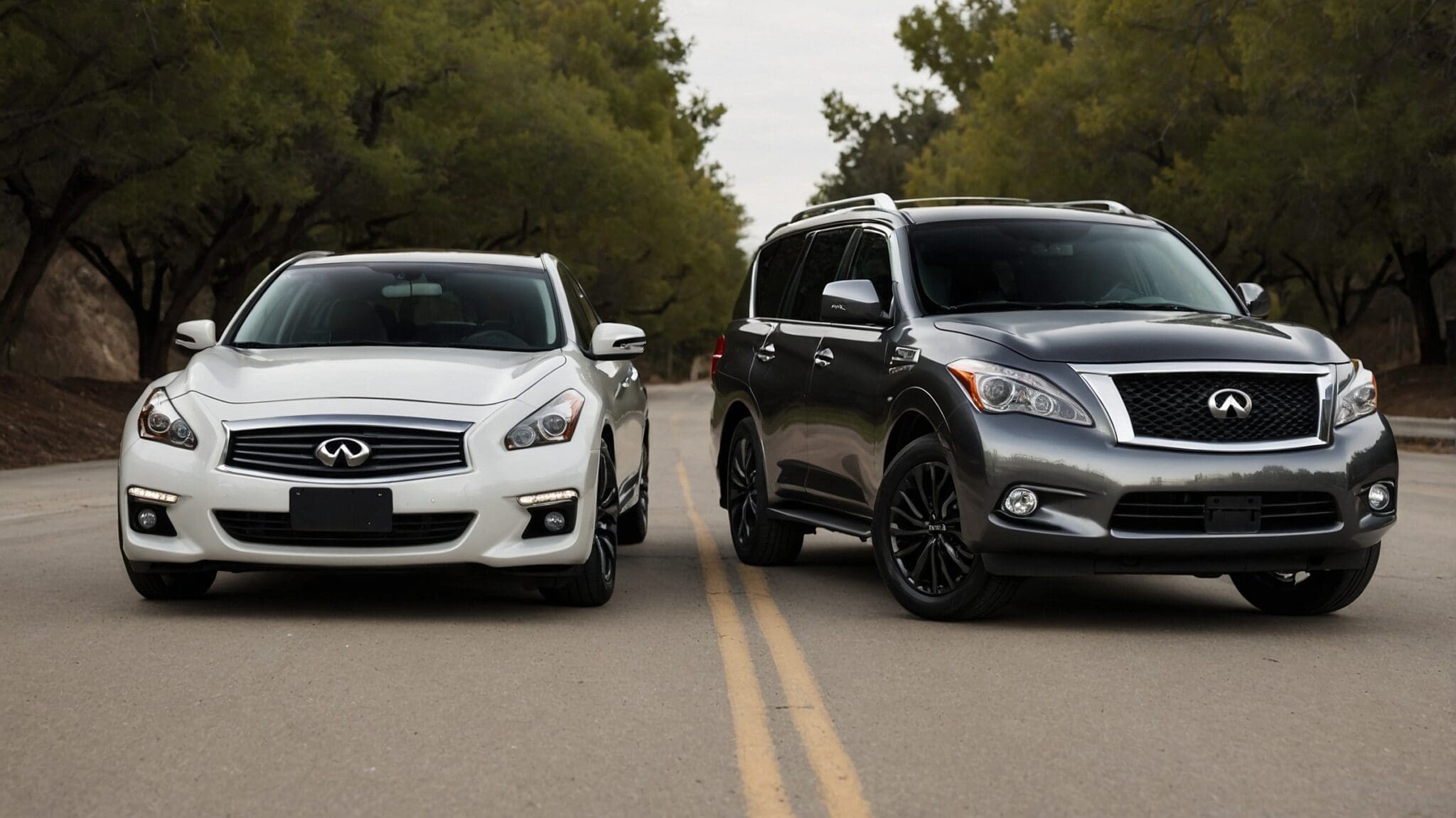
The statement "Infiniti and Nissan are the same" is both an oversimplification and a fundamental truth within the automotive industry. It's akin to saying a fine dining experience and a quick service meal are both "food" – accurate, but lacking crucial nuance. While Infiniti operates as Nissan's luxury division, inheriting platforms, engines, and technologies, it's the execution and refinement of these elements that differentiates the brands. Let's delve into the technical underpinnings and strategic decisions that shape this relationship.
Platform Sharing: The Foundation of Efficiency
Modern automotive manufacturing relies heavily on platform sharing. A platform encompasses the core structural components of a vehicle, including the chassis, floorpan, suspension hardpoints, and often, drivetrain layout. Sharing platforms allows manufacturers to amortize development costs across multiple models, leading to significant savings and the ability to offer a wider range of vehicles. Nissan and Infiniti extensively leverage this strategy.
Examples of Shared Platforms
Numerous examples illustrate platform sharing between Nissan and Infiniti:
FM Platform (Front Midship): This platform, designed to place the engine behind the front axle for improved weight distribution, underpinned a range of both Nissan and Infiniti vehicles. The Nissan 350Z and 370Z sports cars shared the FM platform with the Infiniti G35 and G37 sedans and coupes. While the core architecture was identical, Infiniti vehicles often received enhanced suspension tuning, stiffer chassis components, and more sophisticated electronic control systems.
D Platform: The "D" platform, designated for front wheel drive cars, is another key instance. Various Nissan models, such as the Altima and Maxima, have shared this platform with the Infiniti I30 and I35. Again, differences emerged in areas like suspension design, sound insulation, and the use of premium materials in the Infiniti versions.
Rear Wheel Drive Platforms: Even some larger SUVs and crossovers have seen shared platforms. While the specifics can vary across generations, the basic underpinnings for models like the Nissan Pathfinder and certain Infiniti QX models have often been closely related, albeit with significant variations in styling, features, and target market.
It's important to note that platform sharing isn't a static concept. Platforms evolve over time, with each generation incorporating improvements in materials, manufacturing techniques, and design. These evolutions often trickle down from the luxury brand (Infiniti) to the mainstream brand (Nissan) over subsequent model cycles, ensuring a consistent advancement in engineering across the manufacturer's entire portfolio.
Engine and Drivetrain Commonalities
Beyond platforms, Nissan and Infiniti share a stable of engines and drivetrain components. This is another area where cost-saving synergies play a significant role. However, the application and tuning of these engines often differ considerably between the two brands.
VQ Engine Series
Perhaps the most iconic example is the VQ engine series, a V6 engine that has powered a vast array of Nissan and Infiniti vehicles for decades. While the fundamental architecture of the VQ engine remained consistent, Infiniti versions often received enhancements such as:
- Higher compression ratios for increased power output
- More sophisticated engine management systems (ECUs) with revised fuel and ignition maps
- Variable valve timing (VVT) systems tuned for a broader torque curve
- Improved intake and exhaust systems for enhanced breathing
These enhancements, while relatively minor on a component-by-component basis, collectively contributed to a more responsive and refined driving experience in Infiniti vehicles. Furthermore, Infiniti models often received different transmission options, with a greater emphasis on smooth-shifting automatic transmissions or advanced all-wheel-drive systems.
Luxury and Refinement: The Differentiating Factors
The core distinction between Nissan and Infiniti lies in the areas of luxury, refinement, and technology. While both brands offer competent and reliable vehicles, Infiniti prioritizes a higher level of craftsmanship, materials, and features. This translates into:
- Interior Design and Materials: Infiniti vehicles typically feature higher-quality leather upholstery, more extensive use of wood or metal trim, and more attention to detail in the fit and finish of interior components.
- Sound Insulation and NVH (Noise, Vibration, and Harshness) Reduction: Infiniti invests heavily in sound insulation materials and design techniques to minimize road noise, wind noise, and engine noise within the cabin. This creates a more serene and luxurious driving environment.
- Advanced Technology Features: Infiniti models often offer cutting-edge technology features that are not available on their Nissan counterparts. These may include advanced driver-assistance systems (ADAS), premium audio systems, and sophisticated infotainment systems with larger touchscreens and more intuitive interfaces.
- Suspension Tuning and Ride Quality: Infiniti vehicles frequently receive bespoke suspension tuning designed to provide a more comfortable and controlled ride. This may involve the use of adaptive dampers, air suspension systems, or revised suspension geometry.
The cumulative effect of these differences is a vehicle that feels significantly more premium and refined than its Nissan counterpart, even if the underlying mechanical components are largely the same. It's analogous to building two houses on the same foundation. One is functional and comfortable, the other utilizes upgraded materials, refined design elements, and advanced amenities to create a more luxurious and sophisticated living space.
Marketing and Brand Positioning
Beyond the technical differences, marketing and brand positioning play a crucial role in differentiating Nissan and Infiniti. Infiniti is marketed as a luxury brand, targeting affluent consumers who value performance, style, and advanced technology. Nissan, on the other hand, focuses on value, reliability, and practicality, appealing to a broader range of buyers.
This difference in brand positioning is reflected in the marketing campaigns, dealership experiences, and overall customer service provided by each brand. Infiniti dealerships typically offer a more upscale and personalized experience, while Nissan dealerships cater to a higher volume of customers.
Conclusion: A Symbiotic Relationship
In conclusion, while the statement "Infiniti and Nissan are the same" is superficially true due to shared platforms, engines, and technologies, it fails to capture the significant differences in execution, refinement, and brand positioning. Infiniti leverages Nissan's engineering expertise and economies of scale to produce luxury vehicles that offer a higher level of performance, comfort, and technology. The relationship is symbiotic; Nissan benefits from the innovation and development that occurs within Infiniti, while Infiniti benefits from Nissan's established manufacturing infrastructure and global reach. The key lies in understanding that the *implementation* and *integration* of these shared elements creates the unique character of each brand.