
Infiniti G37 O2 Sensor Bank 1 Sensor 1
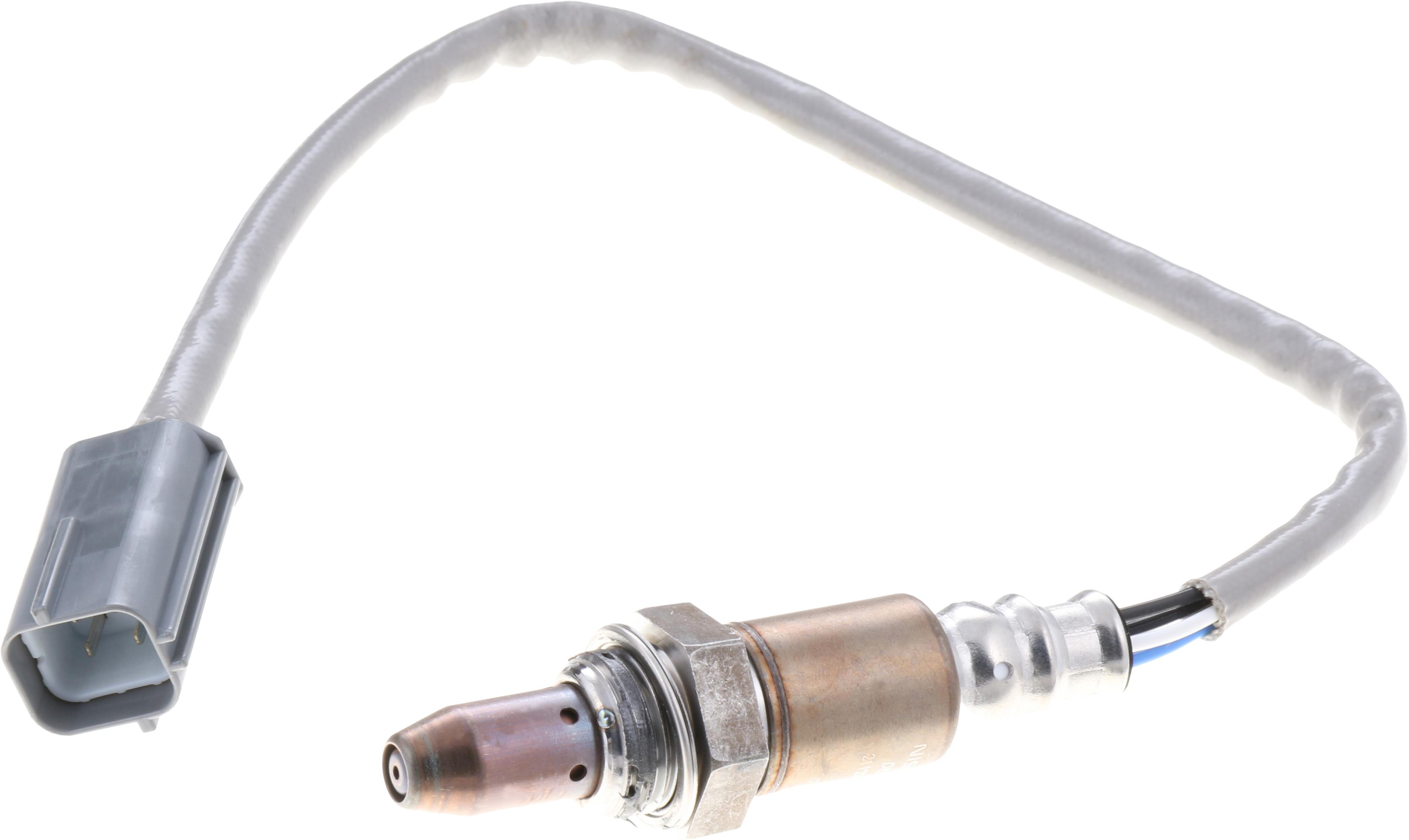
The Infiniti G37. A legend for its sleek lines, potent VQ37VHR engine, and surprisingly luxurious interior. But even legends stumble, and one common gremlin lurking within these modern classics is the infamous O2 sensor. Specifically, the Bank 1 Sensor 1 O2 sensor. This little guy plays a crucial role in your G37's fuel economy and overall performance. Let's dive deep into what it is, why it matters, and how its behavior might differ depending on your G37 variant.
What Exactly is Bank 1 Sensor 1?
Before we start wrenching, let's clarify what we're talking about. The G37, being a V6, has two cylinder banks. Bank 1 is typically the bank that contains cylinder number 1. As for the sensors, the G37 uses two types of oxygen sensors per bank: upstream (Sensor 1) and downstream (Sensor 2). Sensor 1, also known as the air-fuel ratio sensor or wideband sensor, is positioned before the catalytic converter. It's a crucial component in the closed-loop fuel control system. The ECU uses the data it provides to fine-tune the air-fuel mixture entering the engine. A faulty sensor here throws off the entire engine management system.
In contrast, Sensor 2 monitors the efficiency of the catalytic converter, located downstream. We'll focus on Bank 1 Sensor 1 in this article.
G37 Models and O2 Sensor Differences
While the core function of the Bank 1 Sensor 1 O2 sensor remains consistent across the G37 range, some subtle differences and considerations exist depending on the specific model year and drivetrain.
Model Years (2008-2013)
The G37 spanned model years 2008 to 2013. The fundamental sensor technology remains largely the same, however, minor refinements and part number changes may exist. This can influence availability and price.
Engine Variants (VQ37VHR)
Regardless of trim (base, Journey, Sport, etc.), all G37 models feature the 3.7-liter VQ37VHR engine. Therefore, the type of sensor – a wideband air-fuel ratio sensor – is consistent. However, slight variations in sensor calibration or connector design could occur across production years. Always double-check the part number recommended for your specific VIN.
Drivetrain (RWD vs. AWD)
Drivetrain (Rear-Wheel Drive vs. All-Wheel Drive) has no direct impact on the Bank 1 Sensor 1 O2 sensor itself. Both RWD and AWD G37s utilize the same sensor. The location and accessibility of the sensor might be slightly different due to the AWD system's front differential components, potentially making replacement a bit trickier on AWD models.
Troubleshooting: Common Symptoms of a Failing Bank 1 Sensor 1
A failing Bank 1 Sensor 1 will throw a wrench (figuratively and potentially literally) into your G37's performance. Here's what you might experience:
- Check Engine Light: This is the most obvious sign. Common OBD-II codes associated with a faulty Bank 1 Sensor 1 include P0031, P0037, P0130, P0131, P0132, P0133, and P2A00.
- Poor Fuel Economy: The ECU relies on the sensor's data to maintain the optimal air-fuel ratio. When it's off, the engine might run rich, leading to significantly reduced MPG.
- Rough Idle: An inaccurate air-fuel mixture can cause the engine to idle unevenly, feeling shaky or unstable.
- Hesitation or Stumbling During Acceleration: The engine might hesitate or stumble when you try to accelerate due to the incorrect air-fuel ratio.
- Failed Emissions Test: A faulty O2 sensor can cause the car to fail an emissions test because of increased pollutants.
- Reduced Power: The ECU might limit engine power as a safety measure when it detects a problem with the O2 sensor.
Replacing the Bank 1 Sensor 1: A DIY Guide (Brief Overview)
Replacing the Bank 1 Sensor 1 is a task that most competent DIYers can tackle. However, safety first! Disconnect the negative battery terminal. You'll need an O2 sensor socket (a specialized socket with a slot for the sensor's wiring), a ratchet, and potentially some penetrating oil to loosen the sensor. Locate the sensor (it's usually pretty accessible on Bank 1), disconnect the electrical connector, unscrew the old sensor, and install the new one, tightening it to the specified torque. Reconnect the electrical connector and the battery. Clear the OBD-II codes, and you're good to go. Always consult your G37's repair manual for specific instructions and torque specifications.
Real-World Driving Impressions
The difference a new Bank 1 Sensor 1 makes in a G37 is palpable. Imagine a G37 that's been slowly losing its edge over the years, plagued by sluggish acceleration and mediocre gas mileage. Replacing the faulty sensor is like giving the VQ37VHR a shot of espresso. Throttle response becomes sharper, the engine revs more freely, and the dreaded hesitation vanishes. Fuel economy often improves noticeably. The G37 feels alive again, rediscovering the performance that made it a driver's favorite.
However, it's crucial to diagnose the issue correctly. Don't just throw a new sensor at the problem hoping it fixes everything. A thorough diagnostic process, including checking for vacuum leaks, exhaust leaks, and other potential issues, is essential.
Pros and Cons of DIY Replacement vs. Professional Installation
DIY Replacement
- Pros: Cost savings (labor costs are eliminated), personal satisfaction.
- Cons: Requires tools and mechanical knowledge, potential for mistakes, can be time-consuming.
Professional Installation
- Pros: Guaranteed workmanship, proper diagnosis, saves time and effort.
- Cons: Higher cost (labor charges), reliance on the mechanic's expertise.
Spec Table: O2 Sensor Considerations
| Feature | Description |
|---|---|
| Sensor Type | Wideband Air-Fuel Ratio Sensor |
| Location | Exhaust manifold, upstream of the catalytic converter, Bank 1 |
| Common OBD-II Codes | P0031, P0037, P0130, P0131, P0132, P0133, P2A00 |
| Torque Specification | Refer to the service manual. Roughly 30-35 ft-lbs. |
| Lifespan | Typically 60,000 - 100,000 miles |
Choosing the Right O2 Sensor
When replacing your G37's Bank 1 Sensor 1, selecting a high-quality replacement is paramount. Stick with reputable brands like Denso (OEM supplier), Bosch, or NTK. Avoid generic or ultra-cheap sensors, as they often have subpar performance and a shorter lifespan. Consider the price point relative to the brand reputation. Sometimes, spending a little more upfront for a quality sensor saves money in the long run by preventing premature failure.
The Last Word: More Than Just a Sensor
The Bank 1 Sensor 1 O2 sensor in your Infiniti G37 is more than just a part; it's a vital component in the engine's intricate dance of air and fuel. Maintaining its health keeps your G37 running smoothly, efficiently, and powerfully. Don't neglect it!
Now, here's a fun one to debate: which aftermarket exhaust system gives the most accurate O2 sensor readings on a G37? Some claim long-tube headers shift the sensor too far downstream. Let the arguments begin!