
Intelligent Power Distribution Module Nissan Altima
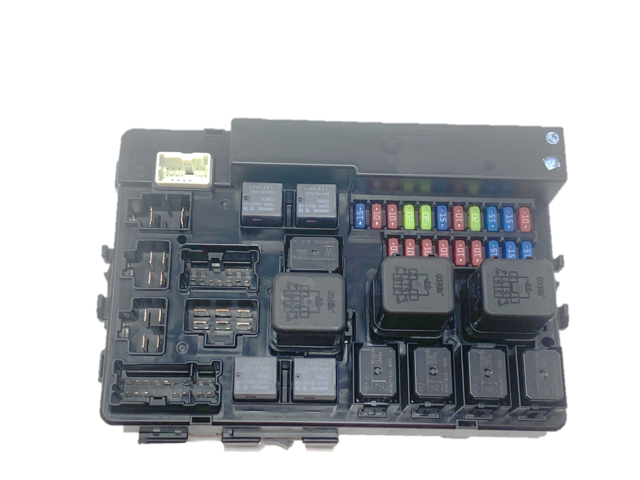
The Nissan Altima, a mainstay of the mid-size sedan market, relies on a sophisticated electrical system for its myriad functions. At the heart of this system lies the Intelligent Power Distribution Module (IPDM), a crucial component responsible for controlling and distributing electrical power to various vehicle subsystems. While seemingly a simple "fuse box," the Altima's IPDM is far more advanced, incorporating intelligent logic and diagnostic capabilities that go well beyond traditional circuit protection.
What is an IPDM and Why is it Intelligent?
In essence, the IPDM is a centralized control unit that houses fuses, relays, and a microcontroller. Its primary function is to manage the flow of electricity from the battery to various components, such as lights, wipers, engine control units (ECUs), and comfort features. The "intelligent" aspect stems from the integration of a microcontroller that allows the IPDM to:
- Monitor current draw: The IPDM constantly monitors the current flowing through each circuit. This allows it to detect abnormal conditions, such as short circuits or excessive loads.
- Provide circuit protection: When an overcurrent situation is detected, the IPDM can shut down the affected circuit electronically, preventing damage to the wiring or components. This is often accomplished through solid-state relays (SSRs) or integrated fuses.
- Communicate with other modules: The IPDM communicates with other ECUs in the vehicle via the Controller Area Network (CAN) bus. This allows it to receive requests for power from other modules and respond accordingly.
- Perform diagnostic functions: The IPDM can store diagnostic trouble codes (DTCs) related to electrical faults. These codes can be accessed using a scan tool, allowing technicians to diagnose and repair electrical problems more efficiently.
This integration of monitoring, protection, communication, and diagnostics elevates the IPDM beyond a simple fuse box, making it a vital part of the Altima's overall electronic architecture.
IPDM Functionality in the Nissan Altima
The IPDM in the Altima manages a wide range of electrical functions. Here are some key areas it controls:
Lighting Systems
The IPDM controls the headlights, taillights, turn signals, and interior lights. It can adjust the brightness of the lights based on ambient conditions and driver input. For example, the IPDM may dim the headlights automatically when it detects oncoming traffic (if equipped with auto-dimming headlights). Furthermore, it often incorporates features such as "follow me home" lighting, where the headlights remain on for a short period after the engine is switched off to illuminate the driver's path.
Wiper Systems
The IPDM controls the operation of the windshield wipers, including the wiper speed, intermittent settings, and washer functions. It can also detect when the windshield is wet (if equipped with rain-sensing wipers) and activate the wipers automatically. The integration within the IPDM allows for features like speed-sensitive wipers, adjusting wiper frequency based on vehicle velocity.
Engine Control
While the Engine Control Module (ECM) is the primary controller for the engine, the IPDM provides power to the ECM and other engine-related components, such as fuel injectors, ignition coils, and sensors. It may also control the cooling fan based on engine temperature, contributing to efficient engine management. Critically, the IPDM plays a role in immobilizer functions, often communicating with the ECM to verify key authorization and prevent theft.
Comfort and Convenience Features
The IPDM also controls various comfort and convenience features, such as the power windows, power locks, and air conditioning system. It can manage the power supply to these systems to ensure proper operation and prevent overloading the electrical system. Heated seats and mirrors, if equipped, are also often managed through the IPDM.
Communication Network
A crucial aspect of the IPDM's "intelligence" is its ability to communicate with other modules via the CAN bus. This allows it to share information and coordinate actions with other systems, such as the ECM, ABS module, and body control module (BCM). For instance, the IPDM may receive information from the ECM about engine load and adjust the power supply to other components accordingly.
Internal Architecture of the IPDM
Inside the IPDM, you'll find a sophisticated arrangement of components, including:
- Microcontroller: The "brain" of the IPDM, responsible for processing information, making decisions, and controlling the other components.
- Relays: Used to switch high-current circuits on and off. Traditionally, these were electromechanical relays. Newer designs often incorporate SSRs for increased reliability and faster switching speeds.
- Fuses: Provide overcurrent protection for individual circuits. The IPDM may use traditional blade fuses or integrated electronic fuses that can be reset electronically.
- Current Sensors: Measure the current flowing through each circuit, allowing the microcontroller to monitor for overloads or short circuits.
- Communication Interface: Allows the IPDM to communicate with other modules via the CAN bus.
- Power Supply: Regulates the voltage from the battery to provide a stable power supply for the internal components.
The shift towards SSRs and electronic fuses provides faster response times and improved diagnostic capabilities compared to traditional electromechanical relays and blade fuses. Electronic fuses can often be reset electronically after a fault is cleared, eliminating the need to physically replace a blown fuse.
Troubleshooting IPDM Issues
Diagnosing IPDM problems can be challenging, as they can manifest in a variety of ways. Some common symptoms of a faulty IPDM include:
- Electrical components not working: Lights, wipers, or other electrical components may fail to operate.
- Intermittent electrical problems: Electrical issues may occur sporadically, making them difficult to diagnose.
- Diagnostic trouble codes (DTCs): The ECM or other modules may store DTCs related to IPDM faults.
- Inability to communicate with other modules: A faulty IPDM can disrupt communication on the CAN bus, preventing other modules from functioning properly.
When troubleshooting IPDM problems, it's important to use a scan tool to check for DTCs. You should also inspect the IPDM for any signs of physical damage, such as corrosion or burnt components. Before condemning the IPDM, ensure that the battery voltage is within the specified range and that the grounding connections are clean and tight.
Important Note: IPDM replacement often requires programming or initialization using a Nissan-specific scan tool to ensure compatibility with the vehicle's other systems. Attempting to replace the IPDM without proper programming may result in further complications.
The Future of IPDMs
As vehicles become increasingly complex and reliant on electronics, the role of the IPDM will continue to evolve. Future IPDMs are likely to incorporate even more sophisticated features, such as:
- Advanced diagnostics: Enhanced diagnostic capabilities to pinpoint electrical faults more accurately.
- Predictive maintenance: The ability to predict potential electrical problems before they occur.
- Over-the-air (OTA) updates: Software updates to improve performance and add new features.
- Integration with autonomous driving systems: Managing the power supply to the numerous sensors and actuators required for autonomous driving.
"The Intelligent Power Distribution Module is no longer just a fuse box; it's a critical component of the vehicle's electronic nervous system,"says a lead electrical engineer at a major automotive supplier. This sentiment underscores the importance of understanding the IPDM's function and its role in ensuring the reliable operation of the Nissan Altima and other modern vehicles.
In conclusion, the Intelligent Power Distribution Module in the Nissan Altima is a sophisticated piece of engineering that provides essential power distribution, circuit protection, and diagnostic capabilities. Its intelligent design allows it to manage a wide range of electrical functions and communicate with other modules in the vehicle, contributing to the Altima's overall performance and reliability. Understanding the IPDM's functionality and architecture is crucial for anyone interested in automotive electronics and repair.