
Is Dexron Iii Compatible With Dexron Vi
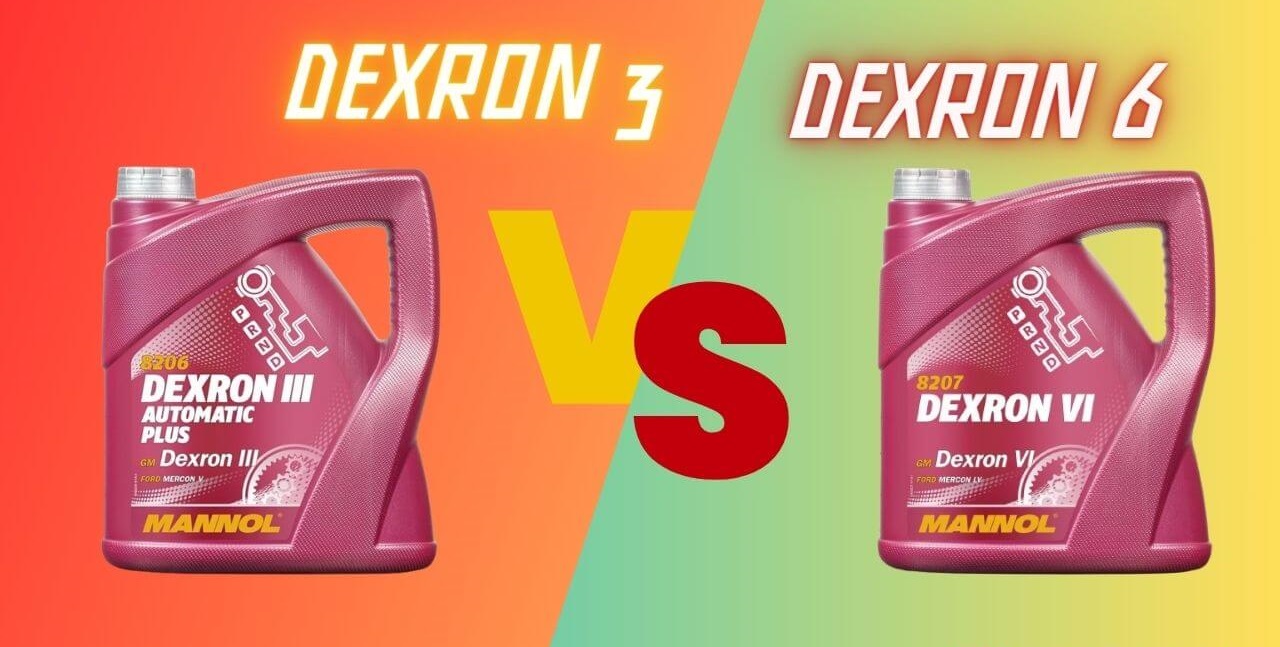
The question of backward compatibility in automotive fluids is a perennial one, especially when it comes to automatic transmission fluids (ATF). A frequent query arises regarding the interchangeability of Dexron III and Dexron VI. In essence, can you safely use Dexron III in a transmission designed for Dexron VI, or vice versa? The answer, while seemingly simple, requires a nuanced understanding of the fluids' properties and the evolution of automatic transmission technology.
Understanding Dexron III and Dexron VI
Dexron III was a widely used ATF standard developed by General Motors (GM). It served as the factory fill and service fluid for many GM automatic transmissions manufactured until the mid-2000s. Its formulation offered adequate protection against wear, oxidation, and foaming under normal operating conditions. However, as transmissions evolved to become more sophisticated and demanding, the limitations of Dexron III became apparent.
Dexron VI, introduced by GM in 2005, is a superior and more advanced ATF. It's a fully synthetic fluid engineered to meet the stricter performance demands of newer, more complex automatic transmissions. Key improvements over Dexron III include enhanced oxidation stability, improved shear stability, superior friction durability, and extended service life. It provides better viscosity control over a wider temperature range, resulting in smoother shifting and improved fuel economy.
The Compatibility Question: Officially No, But...
Officially, GM does not recommend using Dexron III in applications that require Dexron VI. The improved formulation of Dexron VI is designed to provide optimal performance and protection for transmissions specifically engineered to use it. Using Dexron III in these applications could lead to premature wear, shift quality issues, and ultimately, transmission failure.
However, there are caveats to this blanket statement. Some argue that in older transmissions originally designed for Dexron III, switching to Dexron VI may be beneficial. The superior properties of Dexron VI could potentially improve shift quality and extend the transmission's lifespan. This is a subject of debate, and individual results may vary. Factors such as the transmission's condition, driving habits, and climate play a significant role.
Why Dexron VI Is Superior
The improvements in Dexron VI are not just marketing claims. Here's a breakdown of key differences:
- Oxidation Stability: Dexron VI resists breakdown at high temperatures significantly better than Dexron III. This is crucial for long-term durability, especially in modern transmissions that often operate at higher temperatures.
- Shear Stability: Shear stability refers to the fluid's ability to maintain its viscosity under high stress. Dexron VI maintains its viscosity better than Dexron III, ensuring consistent performance throughout its service life.
- Friction Durability: Dexron VI maintains its frictional properties for a longer period, resulting in consistent shift quality and reduced wear on friction materials within the transmission.
- Viscosity Index: Dexron VI has a higher viscosity index, meaning its viscosity changes less with temperature variations. This translates to better performance in both cold and hot weather conditions.
Real-World Considerations and Examples
Imagine a scenario: You have a 2002 Chevy Silverado with a 4L60E transmission, originally filled with Dexron III. While it might technically function with Dexron VI, some mechanics recommend sticking with Dexron III, especially if the transmission has accumulated high mileage. Introducing a fluid with different frictional characteristics could dislodge accumulated deposits and potentially cause problems.
Conversely, consider a 2010 Cadillac CTS requiring Dexron VI. In this case, using Dexron III is generally ill-advised. The transmission in this vehicle is designed to work optimally with the specific frictional properties and viscosity characteristics of Dexron VI. Using Dexron III could lead to harsh shifting, slipping, and accelerated wear.
The Bottom Line
While some anecdotal evidence suggests that using Dexron VI in place of Dexron III in older transmissions might be acceptable (or even beneficial), it's generally recommended to adhere to the manufacturer's specifications. Always consult your vehicle's owner's manual or a trusted mechanic to determine the correct ATF for your specific transmission. Using the wrong fluid can lead to costly repairs and premature transmission failure. When in doubt, sticking with the factory-recommended fluid is the safest bet. Furthermore, consider synthetic blends or full synthetic fluids meeting the original Dexron III specification if you are hesitant to upgrade to Dexron VI.