
Is It Hard To Replace Catalytic Converter
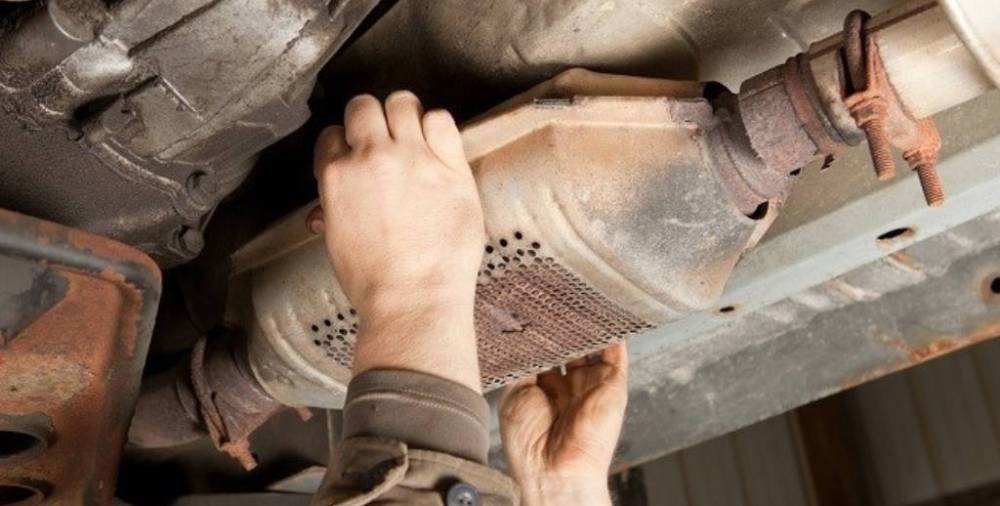
So, your check engine light is on, you're noticing a sulfur smell, or maybe your car just isn't running like it used to. One common culprit? A failing catalytic converter. A lot of folks find themselves wondering: Is it hard to replace a catalytic converter myself, or am I better off taking it to a mechanic? Let's break it down.
Understanding the Catalytic Converter and the Problem
First, let's quickly recap what a catalytic converter does. This vital component of your exhaust system is responsible for reducing harmful emissions like carbon monoxide, hydrocarbons, and nitrogen oxides into less harmful substances like carbon dioxide, water, and nitrogen. Inside the converter, precious metals like platinum, palladium, and rhodium act as catalysts, speeding up these chemical reactions. Over time, these catalysts can become less effective due to contamination, overheating, or physical damage.
Common symptoms of a bad catalytic converter include:
- Check Engine Light: Often the first sign. The code you'll likely see is P0420 (Catalyst System Efficiency Below Threshold, Bank 1) or similar.
- Reduced Engine Performance: Your car might feel sluggish, especially during acceleration.
- Poor Fuel Economy: A failing converter can impact your engine's efficiency.
- Rattling Noises: Internal components can break down and rattle inside the converter's housing.
- Sulfur Smell: A rotten egg smell, especially noticeable when the engine is running rich.
- Failed Emissions Test: This is a sure sign the converter isn't doing its job.
- Overheating: In some cases, a clogged catalytic converter can cause the exhaust system to overheat.
Now, let's get to the heart of the matter: replacing it.
Is Replacing a Catalytic Converter a DIY Job?
The answer, as with many auto repair questions, is: it depends. It depends on your mechanical skills, your access to tools, and the specific make and model of your vehicle.
The "It's Doable" Scenario:
If you're comfortable with basic auto repair tasks like changing your oil, replacing brake pads, or swapping out a muffler, and you have the necessary tools, you might be able to handle a catalytic converter replacement. This is especially true if the converter is easily accessible and attached with bolts rather than welds.
The "Call a Professional" Scenario:
If you're not comfortable working under your car, lack the necessary tools, or if the catalytic converter is heavily rusted, welded, or difficult to access, then it's best to leave the job to a qualified mechanic. You also might need specialized diagnostic tools to ensure the converter is actually the problem and not another component of the emissions system.
Factors That Make the Job Easier (or Harder)
- Accessibility: Is the catalytic converter easily visible and accessible? Or is it tucked away in a tight space, requiring you to remove other components to get to it?
- Rust and Corrosion: Rust is a major enemy of exhaust systems. Severely rusted bolts can be extremely difficult to remove, often requiring penetrating oil, heat, or even cutting them off.
- Welding: Some catalytic converters are welded to the exhaust system. If this is the case, you'll need welding equipment and skills to install the new one.
- Oxygen Sensors: Catalytic converters often have oxygen sensors attached to them. You'll need to carefully remove and reinstall these sensors, and they can sometimes be seized in place.
- Vehicle Complexity: Newer vehicles often have more complex emissions systems, which can make diagnosing and replacing a catalytic converter more challenging.
- Tools: Do you have the necessary tools, including wrenches, sockets, a ratchet, penetrating oil, a jack and jack stands, and potentially a torch or cutting tools?
Tools You'll Need
Here's a list of essential tools you'll likely need to replace a catalytic converter:
- Wrenches and Sockets: A variety of sizes, including metric and SAE, will be necessary to remove bolts and nuts.
- Ratchet: A ratchet will make tightening and loosening bolts much easier.
- Penetrating Oil: Essential for loosening rusted bolts. Let it soak in for at least 30 minutes, or even overnight, for best results.
- Jack and Jack Stands: You'll need to safely lift your vehicle to access the catalytic converter. Always use jack stands – never work under a car supported only by a jack.
- Oxygen Sensor Socket: A specialized socket designed to remove oxygen sensors without damaging them.
- Torque Wrench: Important for tightening bolts to the correct specifications.
- Gloves and Safety Glasses: Protect yourself from dirt, rust, and potential eye injuries.
- Cutting Torch or Saw (Optional): If the catalytic converter is welded or if you need to cut off rusted bolts.
- PB B'laster: This is the best penetrating oil for removing rust.
Steps Involved in Replacing a Catalytic Converter (General Overview)
Disclaimer: These are general steps and may vary depending on your vehicle. Always consult your vehicle's repair manual for specific instructions.
- Safety First: Put on your safety glasses and gloves.
- Lift the Vehicle: Safely lift your vehicle using a jack and secure it with jack stands.
- Locate the Catalytic Converter: Identify the catalytic converter in your exhaust system.
- Disconnect Oxygen Sensors: Carefully disconnect the oxygen sensors attached to the converter.
- Loosen Fasteners: Spray penetrating oil on any rusted bolts or nuts and let it soak. Use wrenches or sockets to loosen the fasteners connecting the converter to the exhaust system.
- Remove the Old Converter: Carefully remove the old catalytic converter.
- Install the New Converter: Install the new catalytic converter, ensuring that the gaskets are properly seated.
- Reconnect Oxygen Sensors: Reconnect the oxygen sensors.
- Tighten Fasteners: Tighten all bolts and nuts to the manufacturer's specifications using a torque wrench.
- Lower the Vehicle: Carefully lower the vehicle.
- Start the Engine: Start the engine and check for exhaust leaks.
- Clear the Check Engine Light: If the check engine light remains on, you may need to clear the code using an OBD-II scanner.
Cost Considerations
The cost of replacing a catalytic converter can vary significantly depending on the vehicle make and model, the quality of the replacement converter, and whether you do it yourself or hire a mechanic.
- DIY Cost: The cost of the catalytic converter itself can range from $100 to $500 or more, depending on the brand and quality. You'll also need to factor in the cost of any tools you need to purchase.
- Professional Cost: A mechanic will charge for both the catalytic converter and their labor. The total cost can range from $300 to $1500 or more. Labor costs can vary depending on the complexity of the job and the hourly rate of the mechanic.
Important Considerations
Legality: It's illegal to remove or tamper with a catalytic converter. Make sure you're replacing it with a legal replacement converter that meets EPA standards.
Warranty: Consider the warranty offered by the manufacturer of the replacement catalytic converter. A longer warranty can provide peace of mind.
Diagnostics: Before replacing the catalytic converter, it's a good idea to have a mechanic diagnose the problem to ensure that the converter is actually the issue. Other problems, such as a faulty oxygen sensor or a leaking exhaust manifold, can also cause similar symptoms.
Used Parts: Avoid using a used catalytic converter. You don't know its history or how much life it has left.
Final Verdict
Replacing a catalytic converter can be a manageable DIY project if you have the skills, tools, and patience. However, if you're not comfortable with auto repair or if the job seems too complex, it's always best to consult with a qualified mechanic. They can diagnose the problem accurately, replace the converter properly, and ensure that your vehicle is running efficiently and legally.
Remember, your car's health is important. If you're unsure, err on the side of caution and seek professional help. Don't risk damaging your vehicle or violating emissions regulations. Good luck!