
Is It Normal For Rpm To Fluctuate At Idle
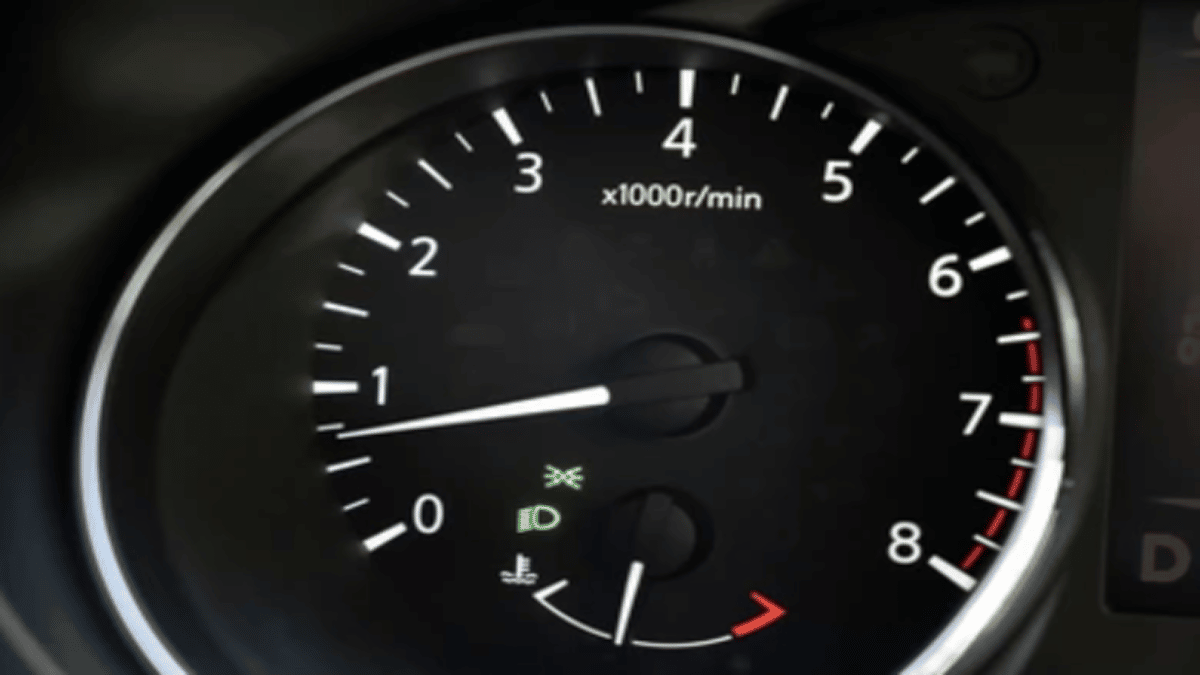
An engine idling smoothly is a beautiful thing. A steady, consistent RPM (revolutions per minute) hums, promising reliable performance. But what if that idle becomes erratic? What if the RPM needle starts dancing up and down, creating a noticeable fluctuation? Is this normal, or is it a sign of trouble lurking beneath the hood?
Understanding Idle Speed and Fluctuations
The idle speed is the engine's rotational speed when the vehicle is stationary, with the engine running and the transmission in neutral or park. This speed is carefully controlled by the engine control unit (ECU), which manages the amount of air and fuel entering the engine to maintain a stable and efficient idle. A 'normal' idle speed varies depending on the vehicle, typically ranging from 600 to 1000 RPM. Think of a 2015 Honda Civic; its idle speed is usually around 700-800 RPM. A larger engine, like in a Ford F-150 with a 5.0L V8, might idle slightly lower, around 600-700 RPM.
While a perfectly rock-steady idle is the ideal, minor fluctuations are sometimes acceptable, especially when certain systems engage. These are usually momentary and small, rarely exceeding 50-100 RPM. However, significant or persistent RPM fluctuations at idle should always raise a red flag.
Common Causes of Minor RPM Fluctuations
Before diving into the serious culprits, let's consider a few common, often harmless, causes of minor idle fluctuations:
- Air Conditioning Compressor Engagement: When the AC compressor kicks on, it places an additional load on the engine. The ECU compensates by slightly increasing the idle speed to prevent stalling. This is normal and results in a brief RPM increase. You might notice this more prominently in older vehicles.
- Power Steering Pump Load: Turning the steering wheel at idle puts a load on the power steering pump, which in turn affects the engine's workload. Again, the ECU tries to compensate.
- Electrical Load: Switching on headlights, the rear defroster, or other electrical accessories draws power from the alternator, which is driven by the engine. This can cause a minor and temporary dip in RPM.
- Automatic Transmission Shifting (Slightly): Even in park or neutral, some automatic transmissions can exhibit a very slight RPM change when shifting between these positions. This is due to internal hydraulic pressure variations.
These minor fluctuations are typically not a cause for concern. The ECU is designed to handle these scenarios and maintain a reasonable idle speed. However, if the fluctuations are excessive or accompanied by other symptoms, further investigation is needed.
More Serious Causes of RPM Fluctuations at Idle
When RPM fluctuations become noticeable, persistent, and accompanied by other symptoms like rough running, stalling, or poor fuel economy, the underlying cause is likely more serious. Here are some common culprits:
Vacuum Leaks
Vacuum leaks are a frequent offender. The engine relies on vacuum to operate various systems, and any leak disrupts the delicate balance of air and fuel. Common areas for vacuum leaks include:
- Intake Manifold Gaskets: These gaskets seal the intake manifold to the cylinder head. Over time, they can dry out, crack, and leak.
- Vacuum Hoses: Numerous vacuum hoses connect various components. These hoses can become brittle and crack, leading to leaks. Inspect hoses connecting to the brake booster, PCV valve, and other vacuum-operated devices.
- Throttle Body Gasket: A leak around the throttle body gasket can allow unmetered air to enter the engine.
- EGR Valve: A faulty or sticking EGR (Exhaust Gas Recirculation) valve can cause vacuum leaks.
A telltale sign of a vacuum leak is a hissing sound coming from the engine bay. You can often pinpoint the leak using a spray bottle filled with soapy water. Spray the suspected area while the engine is running. If the RPM changes or bubbles appear, you've found the leak.
Consider a BMW 3 Series (E46) known for vacuum leaks around the intake manifold due to age and heat cycling. These leaks often cause a surging idle.
Dirty or Faulty Throttle Body
The throttle body controls the amount of air entering the engine. Over time, it can become coated with carbon deposits and grime, restricting airflow and causing the idle to fluctuate. Similarly, a faulty throttle position sensor (TPS) can send incorrect signals to the ECU, leading to erratic idle behavior.
Cleaning the throttle body with a dedicated cleaner can often resolve idle problems caused by carbon buildup. However, if the TPS is faulty, it will need to be replaced.
Many owners of older Toyota Camrys have experienced fluctuating idle speeds due to a dirty throttle body. A simple cleaning often restores smooth operation.
Faulty Idle Air Control (IAC) Valve
The IAC valve, found on many older vehicles (though less common on newer cars with electronic throttle control), regulates the amount of air that bypasses the throttle plate at idle. A malfunctioning IAC valve can cause the engine to idle too high or too low, or to fluctuate erratically. Symptoms include stalling, especially when coming to a stop, and a generally unstable idle.
The IAC valve can often be cleaned, but if it's faulty, replacement is usually the best solution.
Fuel System Problems
Issues within the fuel system can also lead to RPM fluctuations at idle:
- Clogged Fuel Injectors: Dirty or clogged fuel injectors can deliver an uneven spray pattern, resulting in inconsistent combustion and a fluctuating idle.
- Weak Fuel Pump: A failing fuel pump may not provide adequate fuel pressure at idle, leading to lean conditions and RPM variations.
- Faulty Fuel Pressure Regulator: The fuel pressure regulator maintains a constant fuel pressure in the fuel rail. A faulty regulator can cause pressure fluctuations, affecting the engine's idle.
Using fuel injector cleaner periodically can help prevent clogs. A fuel pressure test can help diagnose fuel pump and regulator issues.
Sensor Problems
The ECU relies on various sensors to make informed decisions about engine operation. Faulty sensors can provide inaccurate data, leading to RPM fluctuations:
- Mass Airflow (MAF) Sensor: The MAF sensor measures the amount of air entering the engine. A faulty MAF sensor can cause the engine to run lean or rich, leading to idle problems.
- Oxygen (O2) Sensors: O2 sensors monitor the oxygen content in the exhaust. Faulty O2 sensors can cause the ECU to make incorrect fuel adjustments.
- Crankshaft Position Sensor (CKP) and Camshaft Position Sensor (CMP): These sensors provide information about the engine's rotational position. A faulty sensor can cause timing issues and a fluctuating idle.
Diagnostic trouble codes (DTCs) stored in the ECU can often pinpoint faulty sensors.
Ignition System Problems
A weak or inconsistent spark can also cause RPM fluctuations at idle:
- Worn Spark Plugs: Worn or fouled spark plugs can misfire, leading to uneven combustion and a rough idle.
- Faulty Ignition Coils: Weak or failing ignition coils can prevent spark plugs from firing properly.
- Vacuum Leaks in Distributor (Older Vehicles): Some older vehicles with distributors use vacuum advance mechanisms. Leaks in these mechanisms can affect timing and idle stability.
Practical Takeaways
So, what can you do if your car's RPM is fluctuating at idle?
- Observe and Document: Note when the fluctuations occur (e.g., when the AC is on, when the engine is cold), the magnitude of the fluctuations, and any other accompanying symptoms.
- Check for Obvious Issues: Look for loose or cracked vacuum hoses, and listen for hissing sounds.
- Clean the Throttle Body: This is a relatively simple and inexpensive task that can often resolve idle problems.
- Check and Replace Spark Plugs: Ensure your spark plugs are in good condition and properly gapped.
- Use an OBD-II Scanner: Retrieve diagnostic trouble codes (DTCs) from the ECU. These codes can provide valuable clues about the underlying problem. A basic scanner is an affordable investment for any car owner.
- Consult a Mechanic: If you're not comfortable performing more advanced diagnostics or repairs, consult a qualified mechanic. Providing them with detailed information about the symptoms and any DTCs you've retrieved can help them diagnose the problem more efficiently.
Remember, early diagnosis and repair can prevent more serious and costly problems down the road. Addressing RPM fluctuations promptly will ensure your engine runs smoothly and efficiently for years to come.