
Is It Safe To Jumpstart A Car In The Rain
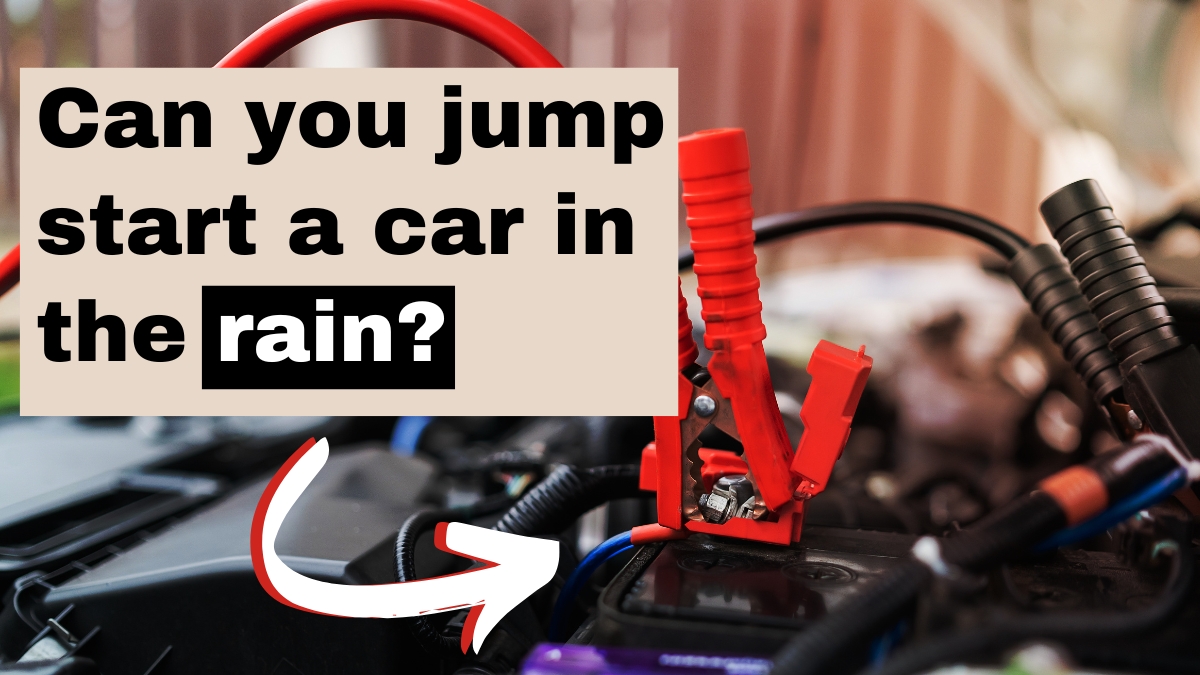
The question of whether it's safe to jumpstart a car in the rain often sparks debate among car owners and even seasoned mechanics. While the inherent risks of jumpstarting a car exist regardless of weather conditions, rain introduces an additional layer of potential hazards. Let's delve into the specifics to understand the safety considerations involved.
Understanding the Risks: Electricity and Water
The fundamental principle behind jumpstarting involves transferring electrical energy from a good battery to a dead one. This process, even under ideal conditions, carries the risk of sparks, which can ignite flammable substances. When rain is involved, the presence of water further complicates matters. Water is a conductor of electricity, and its presence around the battery and jumper cables can create several potential problems:
- Increased Risk of Shock: Water on or around the battery terminals or jumper cables can create a path for electricity to travel to the person performing the jumpstart, significantly increasing the risk of electric shock. The severity of the shock depends on the voltage and current, but even a small shock can be painful and potentially dangerous, especially for individuals with pre-existing heart conditions.
- Short Circuits: Rain can cause short circuits if it bridges connections that should be isolated. This can damage sensitive electronic components in both the vehicle providing the jump and the vehicle receiving it. Modern cars are packed with electronic control units (ECUs), such as the engine control module (ECM) and transmission control module (TCM), which are vulnerable to voltage spikes and surges.
- Corrosion Acceleration: Water, especially if acidic due to pollutants, can accelerate corrosion on battery terminals, connectors, and other electrical components. This can lead to long-term problems and decreased battery performance.
Mitigating Risks: Steps for a Safer Jumpstart in the Rain
While it's generally advisable to wait for drier conditions before jumpstarting a car, sometimes it's unavoidable. If you must jumpstart a car in the rain, take the following precautions to minimize the risks:
- Seek Shelter: If possible, move both vehicles to a sheltered area, such as a garage, carport, or under a large tree. This will reduce the amount of rain exposure.
- Cover Exposed Areas: Use a tarp or plastic sheeting to cover the battery and surrounding areas of both vehicles. This will help prevent water from directly contacting the terminals and cables.
- Wear Protective Gear: Wear rubber gloves to insulate yourself from potential electrical shocks. Avoid touching any metal parts of the vehicles while the jumper cables are connected.
- Ensure Good Grounding: Connect the negative (black) jumper cable to a solid, unpainted metal part of the disabled vehicle's engine block, away from the battery and fuel lines. A good ground connection is crucial for preventing sparks near the battery.
- Double-Check Connections: Before starting the jumpstart, carefully inspect all connections to ensure they are secure and properly positioned. Make sure the cables are not touching any wet surfaces.
- Start the Jumper Vehicle First: Start the car with the good battery first and let it run for a few minutes. This will help stabilize the voltage before attempting to start the disabled vehicle.
- Minimize Exposure: Work quickly and efficiently to minimize the amount of time the battery and cables are exposed to the rain.
Alternatives to Jumpstarting in the Rain
Given the inherent risks, it's worth considering alternatives to jumpstarting in the rain, especially if you're not comfortable with the process or lack the necessary protective gear:
- Portable Jump Starter: A portable jump starter, also known as a jump pack, provides a safer alternative. These devices are self-contained and eliminate the need for a second vehicle. They also often have built-in safety features such as reverse polarity protection.
- Call for Assistance: Contact a roadside assistance service or a qualified mechanic. They have the experience and equipment to safely jumpstart your car or provide alternative solutions, such as towing it to a repair shop.
Conclusion
While it is possible to jumpstart a car in the rain, it is inherently more dangerous than doing so in dry conditions. The presence of water increases the risk of electric shock, short circuits, and corrosion. If you must jumpstart a car in the rain, take extreme precautions and prioritize safety. Consider alternative solutions if possible. Remember, safety should always be the top priority when dealing with electricity and automobiles. Ignoring the potential hazards can lead to serious injury or damage to your vehicle's electrical system.