
Is Nissan The Same As Infiniti
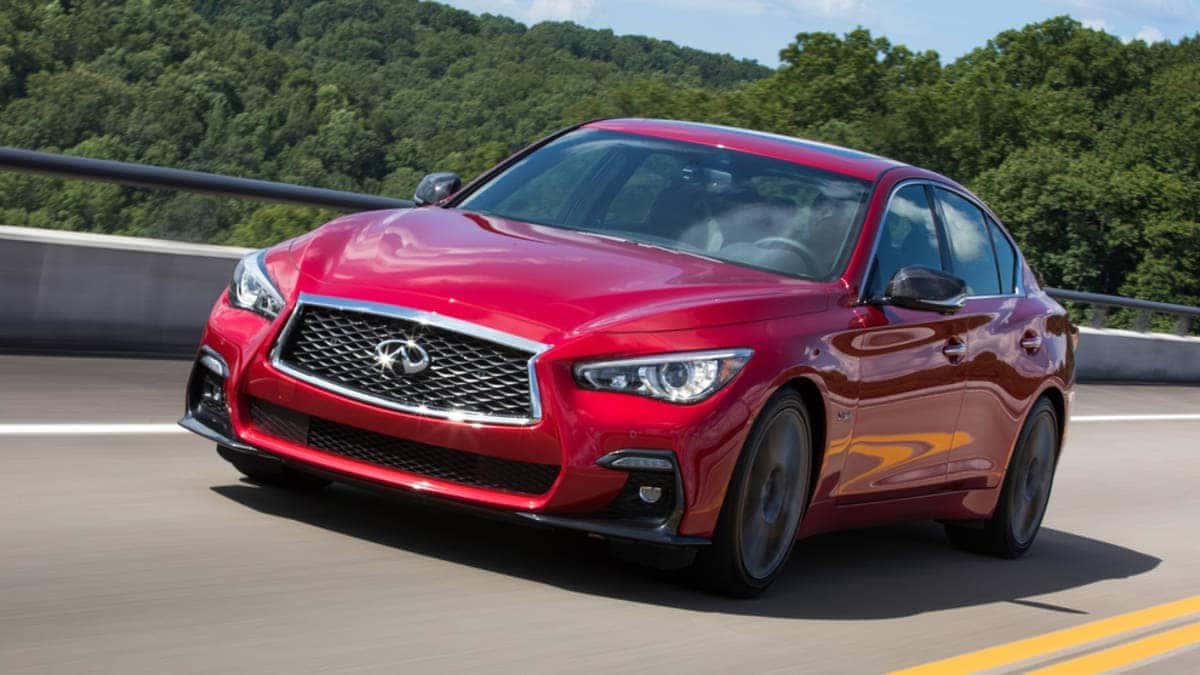
The question "Is Nissan the same as Infiniti?" is deceptively simple. While both brands fall under the Nissan Motor Corporation umbrella, and share numerous components and engineering philosophies, the reality is far more nuanced. For automotive professionals, understanding the distinctions – and similarities – is crucial for diagnostics, repair, and overall market awareness.
Shared DNA: Platforms, Engines, and Technologies
At their core, Infiniti vehicles leverage Nissan's established engineering prowess. Many models share platforms, albeit often with significant modifications. For instance, the Infiniti Q50 and the Nissan Altima share a basic front-wheel-drive/all-wheel-drive platform architecture. However, the Q50 boasts a more sophisticated suspension setup (particularly with the Direct Adaptive Steering system), higher-grade materials, and, in some trims, a considerably more powerful engine. This highlights a key difference: while the foundational platform might be shared, the execution and componentry are frequently upgraded for the Infiniti brand.
Engine families are another area of overlap. The ubiquitous VQ-series V6 engine, renowned for its smoothness and reliability, has seen service in both Nissan and Infiniti vehicles for decades. However, Infiniti versions often receive enhancements such as variable valve timing, direct injection, and more aggressive tuning to extract greater horsepower and torque. The VR30DDTT, a 3.0-liter twin-turbo V6 found in the Q50 and Q60, is a prime example. While Nissan does utilize turbocharged engines, the VR30DDTT's higher output and overall refinement position it more firmly within Infiniti's performance-oriented image.
Technology also sees a trickle-down effect. Features initially introduced on Infiniti models, such as advanced driver-assistance systems (ADAS), often find their way into Nissan vehicles in subsequent model years. This allows Nissan to leverage the development costs of these technologies across a broader range of vehicles, improving value for the consumer.
Diverging Paths: Luxury, Performance, and Refinement
Despite the shared DNA, Infiniti distinguishes itself through a focus on luxury, performance, and overall refinement. This manifests in several key areas:
Interior Design and Materials
Infiniti interiors prioritize premium materials such as leather, wood trim, and brushed aluminum. The emphasis is on creating a more upscale and comfortable environment compared to their Nissan counterparts. Stitching patterns, seat designs, and overall cabin aesthetics are carefully considered to exude a sense of luxury. While Nissan interiors have improved significantly in recent years, they generally prioritize practicality and value over outright opulence.
Suspension and Handling
Infiniti models often feature more sophisticated suspension systems, including adaptive dampers and electronically adjustable steering. These technologies enhance handling precision and provide a more refined ride quality. The aforementioned Direct Adaptive Steering (DAS) system, although controversial due to its disconnect from traditional mechanical steering, is a unique feature offered on some Q50 and Q60 models. While DAS has faced criticism for its feel, it demonstrates Infiniti's willingness to experiment with cutting-edge technologies to improve performance.
Powertrain Tuning and Performance
As mentioned earlier, Infiniti engines are often tuned for higher output compared to their Nissan counterparts. This, combined with more aggressive transmission programming, results in improved acceleration and overall driving dynamics. The Infiniti Q60 Red Sport 400, with its 400-horsepower VR30DDTT engine, is a prime example of this performance-oriented approach.
Noise, Vibration, and Harshness (NVH)
Infiniti engineers invest significant effort in reducing NVH levels to create a quieter and more refined cabin environment. This includes using thicker sound insulation, optimizing suspension bushings, and employing active noise cancellation technologies. The result is a more serene and comfortable driving experience, particularly on long journeys.
Real-World Performance and Comparisons
Comparing specific models highlights the differences. Consider the Nissan Maxima and the Infiniti Q50. Both are mid-size sedans, but the Q50 offers a wider range of engine options, including the aforementioned VR30DDTT. The Q50 also boasts a more luxurious interior, a more sophisticated suspension, and available technologies like DAS. The Maxima, on the other hand, offers a more value-oriented proposition, with a comfortable ride and a spacious interior. However, the Q50 generally outperforms the Maxima in terms of handling and overall driving enjoyment.
Another comparison can be made between the Nissan Pathfinder and the Infiniti QX60. While both are three-row SUVs, the QX60 focuses more on luxury and refinement. It features a more upscale interior, a quieter cabin, and a smoother ride. The Pathfinder, in contrast, emphasizes practicality and off-road capability, with a more rugged design and available all-wheel-drive system.
Reliability and Maintenance
Reliability is a critical consideration for any vehicle purchase. Both Nissan and Infiniti have generally demonstrated good reliability, although specific models and model years may have their own quirks. The VQ-series engine, in particular, is known for its longevity and robustness. However, more complex technologies, such as DAS, may require specialized maintenance and repairs.
Maintenance costs for Infiniti vehicles tend to be higher than for comparable Nissan models. This is due to the use of more expensive components, the need for specialized tools and equipment, and higher labor rates at Infiniti dealerships. Regular maintenance, including oil changes, filter replacements, and fluid checks, is essential for ensuring long-term reliability. It is also crucial to address any warning lights or unusual noises promptly to prevent more serious problems from developing.
Tips for maintaining Infiniti vehicles:
- Use genuine Infiniti parts or high-quality aftermarket equivalents.
- Follow the recommended maintenance schedule in the owner's manual.
- Have your vehicle serviced by a qualified technician with experience working on Infiniti vehicles.
- Address any warning lights or unusual noises promptly.
- Consider purchasing an extended warranty to protect against unexpected repair costs.
Pros and Cons: Nissan vs. Infiniti
Nissan:
- Pros: Affordability, Value, Reliability, Wide Range of Models, Practicality.
- Cons: Less Luxurious, Less Refined, Less Performance-Oriented.
Infiniti:
- Pros: Luxury, Performance, Refinement, Advanced Technologies, Distinctive Styling.
- Cons: Higher Price, Higher Maintenance Costs, Potentially Lower Reliability (depending on model and technology).
Alternatives in the Luxury Segment
Infiniti competes with other luxury brands such as Lexus, Acura, BMW, Mercedes-Benz, and Audi. Each of these brands offers its own unique blend of luxury, performance, and technology. Lexus is known for its exceptional reliability and customer service. Acura offers a balance of luxury and value. BMW is renowned for its sporty handling and performance. Mercedes-Benz is known for its luxurious interiors and advanced technologies. Audi offers a sophisticated blend of technology, design, and performance. Automotive professionals must have a working knowledge of these competing brands to provide the best recommendations to their customers.
Future Trends
The automotive industry is undergoing a period of rapid transformation, driven by factors such as electrification, autonomous driving, and connectivity. Both Nissan and Infiniti are investing heavily in these technologies. Nissan is focusing on mass-market electric vehicles, while Infiniti is exploring more luxurious and performance-oriented electric offerings. The lines between the two brands may become blurred as both embrace these new technologies, but Infiniti will likely continue to differentiate itself through its focus on luxury and performance.
Electrification is rapidly changing the landscape of automotive engineering. Battery technology, electric motor design, and power management systems are becoming increasingly important areas of expertise for automotive professionals. The shift towards autonomous driving also requires a deep understanding of sensor technology, artificial intelligence, and cybersecurity.
A Forward-Looking Note
In conclusion, while Nissan and Infiniti share a common foundation, they cater to different segments of the market. Nissan focuses on providing affordable and reliable transportation, while Infiniti aims to deliver a more luxurious and performance-oriented experience. Automotive professionals must understand these distinctions to effectively diagnose, repair, and maintain vehicles from both brands. As the automotive industry continues to evolve, staying abreast of the latest technologies and trends is crucial for success. The future will likely see greater convergence in some areas, but Infiniti will undoubtedly strive to maintain its position as Nissan's luxury and performance flagship, pushing the boundaries of automotive innovation. The challenge for Infiniti, and indeed all luxury brands, will be to maintain their distinct identity in an increasingly electrified and automated world. Adaptability and innovation will be key to navigating this rapidly changing landscape.