
Is The R34 Skyline Legal In The Us
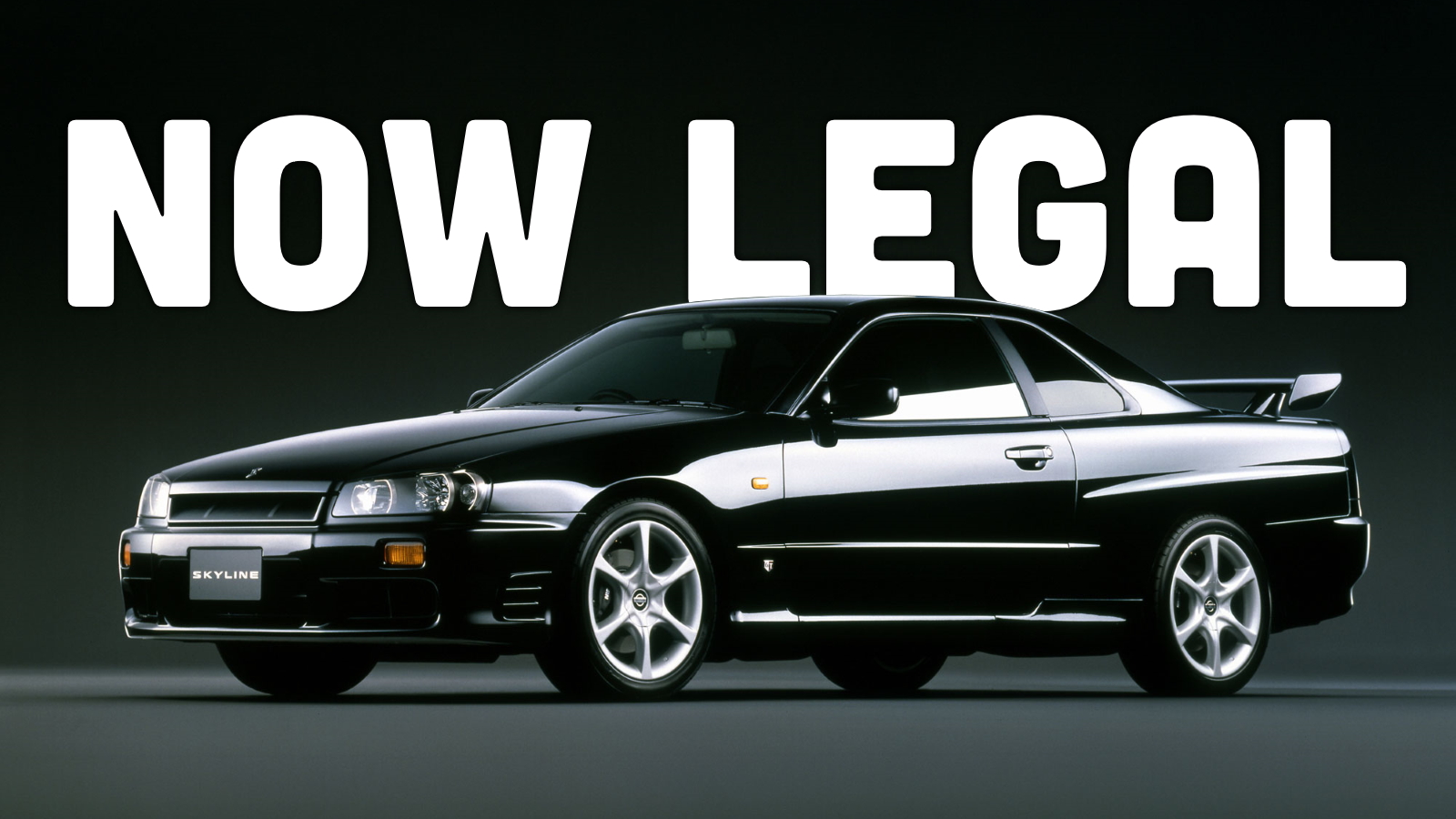
The Nissan Skyline R34, particularly the GT-R variant, occupies a legendary space in automotive lore. Its aggressive styling, potent RB26DETT engine, and starring role in popular culture have cemented its status as a dream car for enthusiasts worldwide. However, for those in the United States, the path to owning an R34 is fraught with challenges, primarily due to strict import regulations.
The Legal Landscape: Understanding US Import Regulations
The primary hurdle in importing a car to the US is compliance with the regulations set by two federal agencies: the Environmental Protection Agency (EPA) and the National Highway Traffic Safety Administration (NHTSA). The EPA focuses on emissions standards, ensuring vehicles meet specific criteria for air quality. NHTSA, on the other hand, is concerned with safety standards, mandating features like airbags, seatbelts, and crashworthiness.
Generally, any vehicle less than 25 years old must meet these standards to be legally imported for road use. If a vehicle doesn't comply at the time of manufacture, it requires extensive modifications to achieve compliance, a process that can be prohibitively expensive and complex. This is where the challenges begin for the R34 Skyline.
The 25-Year Rule: The Golden Ticket (Eventually)
The cornerstone of R34 legality in the US is the 25-year rule. This regulation, established by the NHTSA, states that any vehicle older than 25 years is exempt from meeting federal motor vehicle safety standards. This allows enthusiasts to import older vehicles that were never originally sold in the US. Therefore, the legality of the R34 hinges on its production date.
The R34 Skyline was produced from 1999 to 2002. This means that the earliest R34 models became eligible for import under the 25-year rule starting in 2024. As each year passes, more R34 variants become eligible. For example, a 2000 model became legal in 2025.
The Show or Display Exemption: A Limited Loophole
While the 25-year rule is the most straightforward path to legality, a more complex and limited option exists: the "Show or Display" exemption. This exemption, administered by NHTSA, allows the importation of vehicles that are considered historically or technologically significant, even if they don't meet federal safety standards. However, this exemption comes with significant restrictions.
Firstly, the vehicle must be deemed eligible by NHTSA. This requires demonstrating the car's unique historical or technological importance. Not all R34 variants qualify. Typically, extremely rare or limited-edition models, such as the Nismo Z-Tune, have a higher chance of approval.
Secondly, vehicles imported under the "Show or Display" exemption are heavily restricted in their usage. They can only be driven a limited number of miles per year (typically 2,500 miles) and cannot be used for general transportation. Owners must also maintain detailed records of mileage and usage, subject to potential audits. Furthermore, selling a "Show or Display" vehicle can be difficult and may require notifying the new owner of the restrictions.
Common Misconceptions and Pitfalls
The legal landscape surrounding R34 import can be confusing, leading to several common misconceptions and potential pitfalls:
- Believing any R34 can be easily imported once it turns 25: While the 25-year rule simplifies the process, it doesn't eliminate all requirements. Importers must still comply with EPA regulations regarding emissions. Even though safety standards are waived, the vehicle must still be in good working order.
- Attempting to circumvent the rules with "kit cars" or VIN swapping: Such practices are illegal and can result in severe penalties, including vehicle confiscation and fines. It's crucial to adhere to legal import procedures.
- Ignoring state-level regulations: Even if a vehicle is federally legal, it must still comply with state-specific regulations regarding emissions testing, safety inspections, and registration. California, in particular, has stringent emissions standards.
The Import Process: A Step-by-Step Overview
If importing an R34 under the 25-year rule, here’s a general outline of the process:
- Verify Eligibility: Confirm the vehicle's manufacturing date to ensure it meets the 25-year requirement.
- Find a Reputable Importer: Working with an experienced importer who understands US regulations is crucial. They can handle the paperwork, customs clearance, and transportation.
- Pre-Purchase Inspection: Thoroughly inspect the vehicle before purchase to assess its condition and identify any potential issues. A pre-purchase inspection performed by a qualified mechanic is highly recommended.
- Obtain Necessary Documentation: Gather all required documents, including the vehicle's title, bill of sale, and export certificate.
- Customs Clearance: The importer will handle customs clearance, including paying import duties and taxes.
- EPA Compliance: While safety standards are waived, the importer will still need to demonstrate compliance with EPA regulations. This may involve providing documentation or conducting emissions testing.
- State Registration: Once the vehicle is cleared for import, you must register it in your state. This involves passing any required safety inspections and emissions tests, and paying registration fees.
Real-World Examples and Case Studies
The experiences of other enthusiasts can provide valuable insights. Many online forums and communities document the import journeys of R34 owners. These stories often highlight the challenges encountered and the strategies used to overcome them. For example, some owners have meticulously documented their emissions testing experiences, providing valuable data for others. Others have shared their experiences navigating state-level regulations, particularly in California.
There have also been high-profile cases of illegal imports, serving as cautionary tales. These cases often involve attempts to circumvent the rules through fraudulent documentation or VIN swapping, resulting in vehicle confiscation and legal penalties.
The Future of R34 Legality
As more R34 models become eligible under the 25-year rule, the availability of legally imported vehicles in the US will undoubtedly increase. This will likely lead to a wider range of models and trim levels becoming accessible to American enthusiasts. However, it's important to remember that the import process can still be complex and costly, and it's crucial to adhere to all applicable regulations.
Conclusion
The dream of owning an R34 Skyline in the US is becoming increasingly attainable, thanks to the 25-year rule. While the "Show or Display" exemption offers a limited alternative, the 25-year rule provides a more practical path for most enthusiasts. By understanding the regulations, working with reputable importers, and carefully documenting the process, you can legally import and enjoy this iconic Japanese sports car. However, due diligence is paramount to avoid costly mistakes and legal complications. Always verify information with official sources such as the EPA and NHTSA websites, and consult with legal professionals specializing in automotive imports when in doubt. The RB26DETT engine and the legacy of the R34 Skyline are worth the effort, but only when approached with knowledge and adherence to the law.