
Is The Skyline R34 Legal In The Us
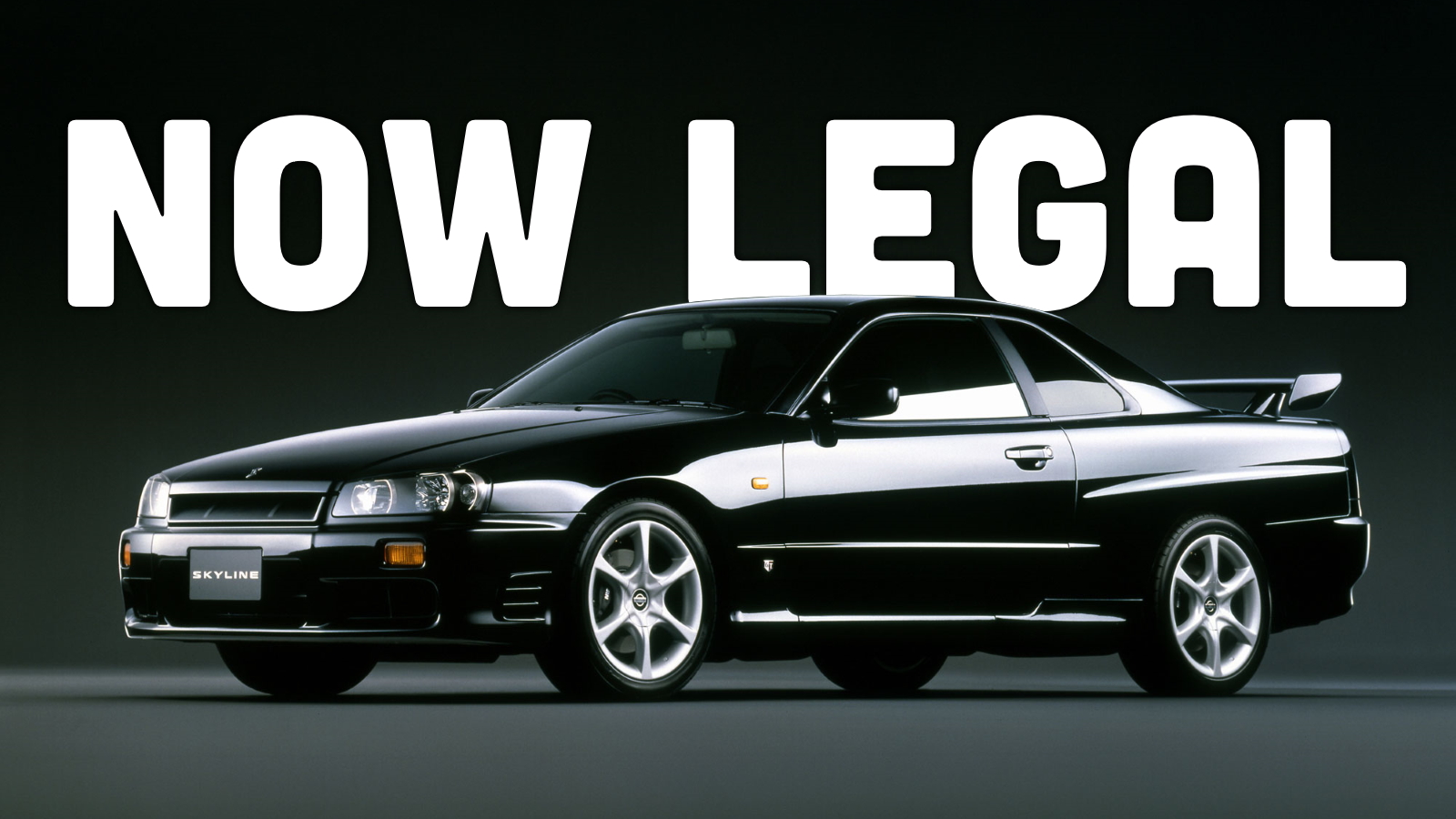
The Nissan Skyline R34, particularly the GT-R variant, occupies a near-mythical status among automotive enthusiasts. Its legendary performance, iconic design, and prominent role in popular culture have fueled a fervent desire for ownership, especially in the United States. However, the question of its legality remains a complex and often misunderstood topic. This article will delve into the intricate details surrounding the R34 Skyline's importation and legal status in the US, providing a comprehensive understanding for enthusiasts, mechanics, and automotive professionals alike.
The 25-Year Import Rule: The Core Obstacle
The primary hurdle to legally importing an R34 Skyline into the United States is the 25-Year Import Rule. This regulation, enforced by the National Highway Traffic Safety Administration (NHTSA), stipulates that any vehicle not originally manufactured to meet US Federal Motor Vehicle Safety Standards (FMVSS) must be at least 25 years old from its production date to be legally imported for road use. The rationale behind this rule is to ensure that all vehicles operating on US roads meet minimum safety and emissions standards. Since the R34 Skyline was produced from 1999 to 2002, even the earliest models were not eligible for unrestricted importation until 2024.
It's crucial to understand that this rule applies to vehicles intended for regular road use. There are exceptions, which we'll discuss later, but the 25-year rule is the primary reason why R34 Skylines were largely absent from US roads for many years.
FMVSS: A Brief Explanation
For those unfamiliar, FMVSS are a comprehensive set of safety standards that cover various aspects of vehicle design and performance, including crashworthiness, braking systems, lighting, and occupant protection. Vehicles sold in the US market must be certified to meet these standards. The R34 Skyline, being a Japanese domestic market (JDM) vehicle, was not originally designed or certified to comply with FMVSS.
The Show or Display Exemption: A Limited Pathway
While the 25-year rule presents a significant barrier, a limited exception exists through the "Show or Display" exemption. This provision, administered by NHTSA, allows for the importation of vehicles that are deemed to be of historical or technological significance, even if they don't meet FMVSS. However, this exemption comes with strict limitations.
Vehicles imported under the Show or Display exemption are heavily restricted in their usage. Owners are typically limited to a maximum mileage per year (often around 2,500 miles), and the vehicle cannot be used for daily commuting or general transportation. The purpose is strictly for exhibition at car shows, museums, or similar events. Furthermore, obtaining Show or Display approval can be a complex and time-consuming process, requiring detailed documentation and justification for the vehicle's historical or technological significance.
An example of a vehicle that commonly qualifies for Show or Display is the Ferrari 288 GTO, a homologation special with significant racing pedigree. While not FMVSS compliant, its historical and technological importance allows for limited importation under this exemption.
The Motorex Scandal: A Cautionary Tale
In the late 1990s and early 2000s, a company called Motorex attempted to federalize R34 Skylines for US road use. They claimed to have modified the vehicles to meet FMVSS. However, NHTSA later determined that Motorex's modifications were insufficient and that the vehicles did not meet safety standards. This led to a large-scale recall and seizure of Skylines that had been improperly imported under the Motorex program. This incident serves as a stark reminder of the potential consequences of attempting to circumvent import regulations.
The Current Status (2024 Onward)
As of 2024, the earliest R34 Skylines (manufactured in 1999) have reached the 25-year mark. This means that these specific models can now be legally imported into the US without the restrictions imposed by the Show or Display exemption, provided they comply with EPA emissions regulations. However, it's essential to differentiate between different R34 models. The GT-R, with its RB26DETT engine and all-wheel-drive system, is the most sought-after variant, but other models like the GT, GTT, and GT-Four also exist. Each model has its own production timeline, so only those manufactured in 1999 or earlier are currently eligible for unrestricted importation.
EPA Considerations
Even with the 25-year rule satisfied, imported R34 Skylines must still comply with Environmental Protection Agency (EPA) emissions regulations. Generally, vehicles older than 21 years are exempt from EPA testing requirements. However, it's crucial to verify this with the EPA and relevant state authorities before importing any vehicle.
For vehicles not exempt, importers may need to demonstrate compliance with EPA standards through independent testing or by obtaining an EPA exemption. This can involve significant costs and effort.
Navigating the Import Process: Key Steps
If you're considering importing an R34 Skyline, here are some essential steps to follow:
- Verify Eligibility: Confirm the vehicle's production date to ensure it meets the 25-year rule.
- Research EPA Regulations: Determine if the vehicle is exempt from EPA testing or if compliance testing is required.
- Engage a Registered Importer: Work with a reputable registered importer who specializes in JDM vehicles. They can guide you through the complex import process and ensure compliance with all regulations.
- Complete Customs Forms: Accurately fill out all required customs forms, including the EPA declaration form (EPA Form 3520-1) and the DOT declaration form (DOT Form HS-7).
- Arrange for Transportation: Secure reliable transportation for the vehicle from its origin country to the US.
- Inspection and Compliance: Upon arrival in the US, the vehicle will be subject to inspection by customs officials to verify compliance with all applicable regulations.
- Titling and Registration: Once the vehicle has cleared customs and is deemed compliant, you can proceed with titling and registration in your state.
Common Misconceptions
Several misconceptions surround the legality of the R34 Skyline in the US. Here are a few to address:
- "All Skylines are illegal": This is false. Skylines that are at least 25 years old and comply with EPA regulations can be legally imported.
- "I can just swap the VIN": This is illegal and carries severe penalties. Tampering with VINs is a federal offense.
- "Show or Display allows me to drive it anywhere": This is incorrect. Show or Display vehicles are subject to strict mileage and usage restrictions.
Conclusion
The legality of the R34 Skyline in the US is a nuanced issue governed by federal regulations. While the 25-year import rule has long prevented unrestricted importation, the passage of time is gradually opening the door for eligible models. As more R34 Skylines reach the 25-year mark, we can expect to see an increase in their presence on US roads. However, it's crucial to approach the import process with diligence and ensure full compliance with all applicable regulations. Understanding the intricacies of FMVSS, EPA regulations, and the Show or Display exemption is essential for anyone seeking to legally own and enjoy this iconic Japanese sports car in the United States. Remember, consulting with a registered importer and verifying information with relevant government agencies is always recommended.
For mechanics and workshop professionals, familiarizing yourselves with the R34 Skyline's unique features and potential maintenance needs can be a valuable asset as these cars become more prevalent in the US market. The RB26DETT engine, in particular, is a high-performance unit that requires specialized knowledge and expertise.