
Jeep Grand Cherokee Brake Pads And Rotors
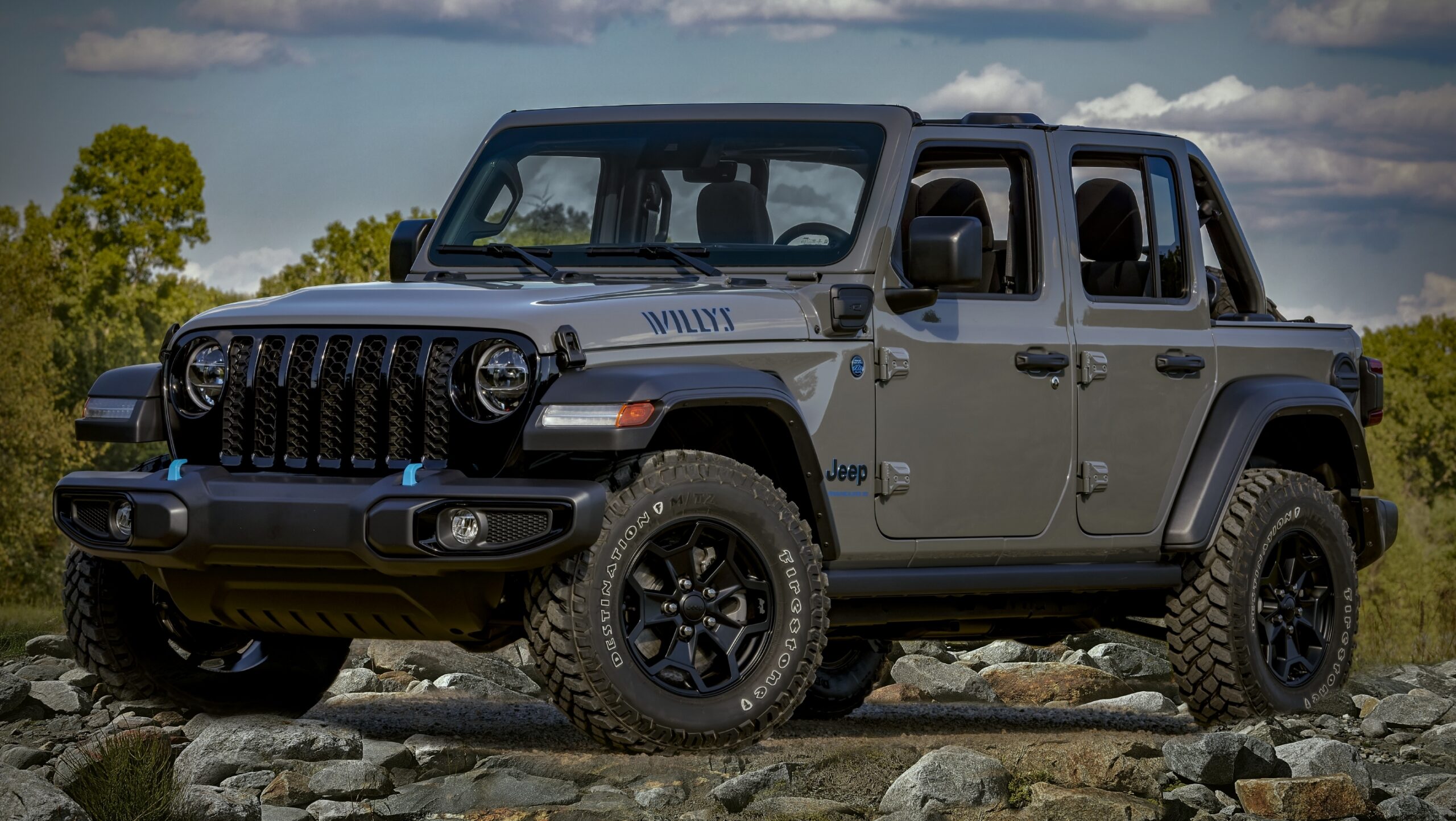
The Jeep Grand Cherokee is a popular SUV known for its capability and comfort. Like any vehicle, maintaining its braking system is crucial for safety and performance. This article focuses on understanding brake pads and rotors in your Grand Cherokee, explaining the tech in an accessible way for enthusiasts, owners, and hobby mechanics.
Understanding Brake Systems: A Simplified Overview
At its core, a car's braking system uses friction to slow down or stop the vehicle. When you press the brake pedal, it activates a hydraulic system that forces brake fluid through lines to the wheels. This fluid pressure then pushes the brake pads against the rotors, creating the friction needed to decelerate. Imagine rubbing your hands together – the harder you press, the more friction you generate, and the quicker your hands stop.
The Grand Cherokee, like most modern vehicles, utilizes disc brakes on all four wheels. This design offers superior stopping power and heat dissipation compared to older drum brake systems (though some older cars still use drum brakes on the rear wheels, like some older base model Honda Civics). Disc brakes consist of a rotor (a metal disc attached to the wheel hub) and a caliper that houses the brake pads.
Brake Pads: The Friction Material
Brake pads are arguably the most consumable part of the braking system. They're made of a friction material bonded to a metal backing plate. This material is what directly contacts the rotor when you brake.
Types of Brake Pads
Different types of brake pads exist, each with its own pros and cons:
- Organic (Non-Asbestos Organic - NAO): These pads are made from materials like rubber, glass, and resins. They are generally quieter and produce less dust than other types. However, they wear down faster and may not perform as well under extreme heat. Think of these as the "economy" option.
- Semi-Metallic: These pads contain a mix of metal fibers (like steel, copper, or iron) combined with organic materials. They offer a good balance of performance and durability, making them a common choice for many vehicles, including the Grand Cherokee. They tend to be more resistant to fade under heavy braking compared to organic pads, but can be noisier and produce more dust.
- Ceramic: Ceramic brake pads are made from ceramic fibers, fillers, and bonding agents. They are known for their quiet operation, low dust production, and excellent performance over a wide range of temperatures. They are typically more expensive than semi-metallic or organic pads. Many performance-oriented Grand Cherokee models (like the SRT or Trackhawk) might come equipped with ceramic pads, or owners may choose to upgrade to them.
- Metallic (Sintered): These are almost exclusively metal, with a very high coefficient of friction, and excellent heat resistance. These are mostly used for racing or heavy-duty applications. These are generally not appropriate for normal on-road driving due to high noise, wear on rotors, and poor performance when cold.
The best type of brake pad for your Grand Cherokee depends on your driving style and needs. For everyday driving, semi-metallic or ceramic pads are often the best choices. If you frequently tow or drive aggressively, a higher-performance pad might be beneficial.
Recognizing Worn Brake Pads
It's crucial to monitor your brake pad thickness. Most brake pads have a wear indicator, a small metal tab that scrapes against the rotor when the pad is worn down to a certain point. This scraping sound is a clear warning that your pads need replacing. It’s a high-pitched squeal that increases with the rotation speed of the wheels.
Visually inspecting your brake pads is also important. You can usually see the pads through the wheel spokes. If the friction material is less than ¼ inch thick, it's time to replace them. Ignoring this warning can lead to damage to the rotors, resulting in a more expensive repair.
Brake Rotors: The Friction Surface
Brake rotors are the large metal discs that the brake pads clamp onto. They provide the surface for the friction that slows the vehicle. Over time, rotors can wear down, warp, or develop grooves.
Types of Brake Rotors
Just like brake pads, rotors come in different types:
- Solid Rotors: These are the simplest type, consisting of a single piece of metal. They are commonly found on smaller vehicles or on the rear wheels of larger vehicles. They are generally the least expensive option.
- Vented Rotors: Vented rotors have internal fins or vanes that help dissipate heat. This is crucial for preventing brake fade, which occurs when the brakes overheat and lose their effectiveness. Vented rotors are commonly used on the front wheels of most vehicles, including the Grand Cherokee, where the majority of braking force is applied. Imagine a computer's heatsink, the vanes act similarly to increase the surface area for heat dissipation.
- Drilled/Slotted Rotors: These rotors have holes drilled through the surface (drilled) or grooves cut into the surface (slotted). These features are designed to improve heat dissipation, remove brake dust and gases, and enhance wet weather braking performance. However, they can also be more prone to cracking under extreme heat, especially if not properly manufactured. These are often found on higher performance vehicles or as aftermarket upgrades.
Recognizing Worn or Damaged Rotors
Several signs indicate that your rotors need attention:
- Pulsation or Vibration: A warped rotor can cause a noticeable pulsation or vibration when braking. This is often felt in the brake pedal or steering wheel.
- Scoring or Grooves: Deep grooves or scoring on the rotor surface can reduce braking performance and cause uneven pad wear.
- Excessive Rust: While some surface rust is normal, excessive rust can indicate that the rotor is deteriorating.
- Minimum Thickness: Every rotor has a minimum thickness specification stamped on it. If the rotor is thinner than this specification, it must be replaced. A brake caliper or micrometer is required for this measurement.
It is generally recommended to replace rotors in pairs (both front or both rear) to ensure even braking performance. If you're replacing your brake pads, it's often a good idea to have your rotors inspected and resurfaced (if possible) or replaced at the same time. Resurfacing, or "turning" the rotors, involves machining a small amount of material off the rotor surface to restore a smooth, flat finish. However, this can only be done if the rotor still meets the minimum thickness specification.
The Grand Cherokee and Brake System Considerations
The Jeep Grand Cherokee, being a larger and heavier vehicle than, say, a Mazda Miata, puts more strain on its braking system. Therefore, regular maintenance and using quality replacement parts are even more critical. Consider the specific usage of your Grand Cherokee. If you frequently tow or drive off-road, you might want to consider upgrading to heavier-duty brake pads and rotors.
The Grand Cherokee's electronic stability control (ESC) system also relies on the braking system to function correctly. If the brakes are not in good condition, the ESC system may not be able to effectively control the vehicle in emergency situations. This system, like the anti-lock braking system (ABS) modulate the brakes at each wheel to prevent wheel lock-up. Therefore, a properly maintained braking system is critical for these advanced safety features to work as intended.
Practical Takeaways
- Regularly Inspect Your Brakes: Check your brake pad thickness and rotor condition during routine maintenance. At least once a year is a good rule of thumb.
- Listen for Warning Signs: Pay attention to any unusual noises, vibrations, or pulsations when braking.
- Use Quality Replacement Parts: Choose brake pads and rotors that meet or exceed the original equipment manufacturer (OEM) specifications.
- Consider Your Driving Style: Select brake components that are appropriate for your driving habits and the type of driving you do.
- Replace in Pairs: Always replace brake pads and rotors in pairs to ensure even braking performance.
- Don't Neglect Maintenance: Ignoring brake problems can lead to more expensive repairs and compromise your safety.
- Consult a Professional: If you are unsure about any aspect of brake maintenance or repair, consult a qualified mechanic. Replacing brakes is a fairly straightforward job, but if it’s not done properly, can cause major problems.