
Kawasaki Oil Filter Cross Reference Chart
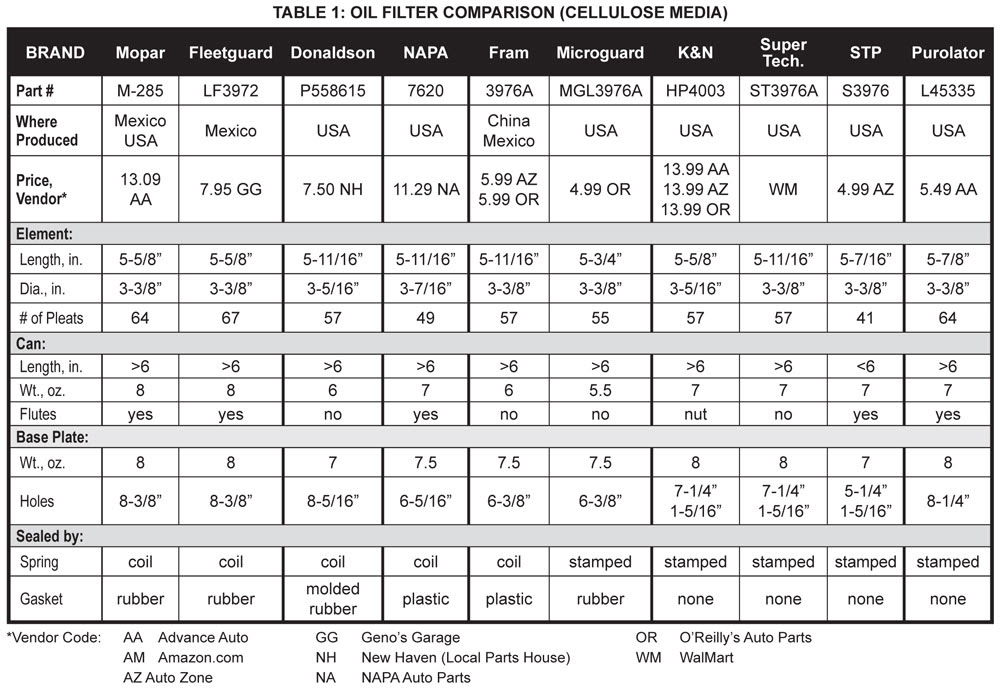
Selecting the right oil filter for a Kawasaki motorcycle is a critical aspect of engine maintenance, directly impacting performance and longevity. While Kawasaki offers its own branded filters, a robust market of aftermarket alternatives exists, demanding a thorough understanding of cross-referencing and the engineering principles at play. This article delves into the complexities of Kawasaki oil filter cross-referencing, analyzing technical specifications, performance characteristics, and real-world implications for automotive professionals.
Understanding Kawasaki Oil Filter Specifications
Before diving into cross-referencing, a solid grasp of the specifications governing Kawasaki oil filters is crucial. Key parameters include:
- Thread Size and Pitch: Kawasaki utilizes specific thread sizes and pitches, typically metric, for secure filter attachment. Mismatched threads can lead to leaks and engine damage.
- Outside Diameter and Height: Physical dimensions dictate whether a filter will fit within the designated space. Clearance issues can cause damage to the filter or surrounding components.
- Micron Rating: This indicates the size of particles the filter can effectively trap. A lower micron rating implies finer filtration but can also increase flow restriction. Kawasaki typically specifies a micron rating that balances filtration efficiency with acceptable oil flow.
- Bypass Valve Pressure: A bypass valve allows oil to flow unfiltered if the filter becomes clogged or the oil is too viscous (e.g., during cold starts). The bypass valve pressure setting ensures adequate lubrication even under extreme conditions.
- Anti-Drain Back Valve: This valve prevents oil from draining back into the engine when it's shut off, ensuring immediate lubrication upon startup. A faulty anti-drain back valve can lead to increased engine wear, particularly during cold starts.
- Filter Media: The material used for filtration impacts efficiency and service life. Options include paper, synthetic blends, and full synthetic media.
Cross-Referencing: Navigating the Aftermarket
Cross-referencing involves identifying aftermarket filters that meet or exceed Kawasaki's original equipment (OE) specifications. Reliable cross-reference charts are essential, but verification is always recommended. Several reputable manufacturers offer cross-reference tools, often available on their websites.
Examples of common Kawasaki oil filter cross-references:
- Kawasaki OE: 16097-0004 (and superseded numbers)
- Common Alternatives: Purolator PL14610/PL14612, Mobil 1 M1-110, K&N KN-204, Bosch 3300.
Important Considerations:
- Quality: Not all aftermarket filters are created equal. Prioritize reputable brands with proven track records.
- Verification: Always double-check the filter specifications against Kawasaki's recommendations for the specific model and year.
- Customer Feedback: Review customer feedback and technical reports to assess real-world performance and reliability.
Comparing OE and Aftermarket Filters: Pros and Cons
Kawasaki OE Filters:
Pros:
- Guaranteed compatibility and performance.
- Engineered specifically for Kawasaki engines.
- Typically readily available.
Cons:
- Can be more expensive than aftermarket options.
- May not always offer the highest filtration efficiency or flow rate.
Aftermarket Filters:
Pros:
- Often more affordable.
- Some offer superior filtration efficiency or flow rate compared to OE filters.
- Wide range of options to suit different needs and budgets.
Cons:
- Quality can vary significantly.
- Potential for compatibility issues if the wrong filter is selected.
- Requires careful research and verification.
Technical Analysis and Real-World Performance
The filter media's construction significantly influences performance. Synthetic media generally provides superior filtration efficiency and flow compared to paper media, but they also tend to be more expensive. The design of the filter's internal structure, including the pleat density and arrangement, also impacts flow and dirt-holding capacity.
In real-world scenarios, filters with higher dirt-holding capacity will last longer between changes, reducing maintenance frequency. However, excessive dirt accumulation can lead to increased pressure drop and reduced oil flow, potentially compromising engine lubrication. Regularly monitoring oil pressure can help detect potential filter clogging issues.
Anecdotal evidence suggests some aftermarket filters offer improved oil pressure stability, particularly during high-performance riding or racing. This is often attributed to superior flow characteristics and robust construction.
Reliability and Maintenance Tips
Proper installation is crucial for oil filter reliability. Over-tightening can damage the filter or engine housing, while under-tightening can lead to leaks. Follow Kawasaki's recommended torque specifications for oil filter installation.
Regular oil and filter changes are essential for maintaining engine health. The recommended interval varies depending on riding conditions and oil type, but typically falls between 3,000 and 7,500 miles. Shorter intervals are recommended for harsh riding conditions or track use.
Periodically inspect the oil filter for signs of damage or leaks. If any issues are detected, replace the filter immediately.
Future Trends
The automotive industry is rapidly evolving, and oil filter technology is no exception. Future trends include:
- Advanced Filter Media: Nanotechnology and other advanced materials are being explored to further enhance filtration efficiency and dirt-holding capacity.
- Increased Integration: Oil filters may become more integrated with other engine components, such as oil coolers and sensors, for improved system performance and monitoring.
- Extended Service Intervals: As engine technology improves and synthetic oils become more prevalent, oil filter service intervals may be extended, reducing maintenance costs and environmental impact.
- Smart Filters: Integration of sensors to monitor filter condition and oil quality, providing real-time data to the rider and potentially triggering alerts when a filter change is needed.
The future likely holds increasingly sophisticated filtration systems to meet the demands of modern, high-performance engines and tighter emissions regulations. Automotive professionals must stay informed about these advancements to provide the best possible service to their customers.
In conclusion, selecting the appropriate Kawasaki oil filter requires a comprehensive understanding of specifications, cross-referencing, and performance characteristics. By carefully evaluating OE and aftermarket options and adhering to proper maintenance practices, automotive professionals can ensure optimal engine health and longevity for their customers' Kawasaki motorcycles.