
Location Of Ac Compressor Relay
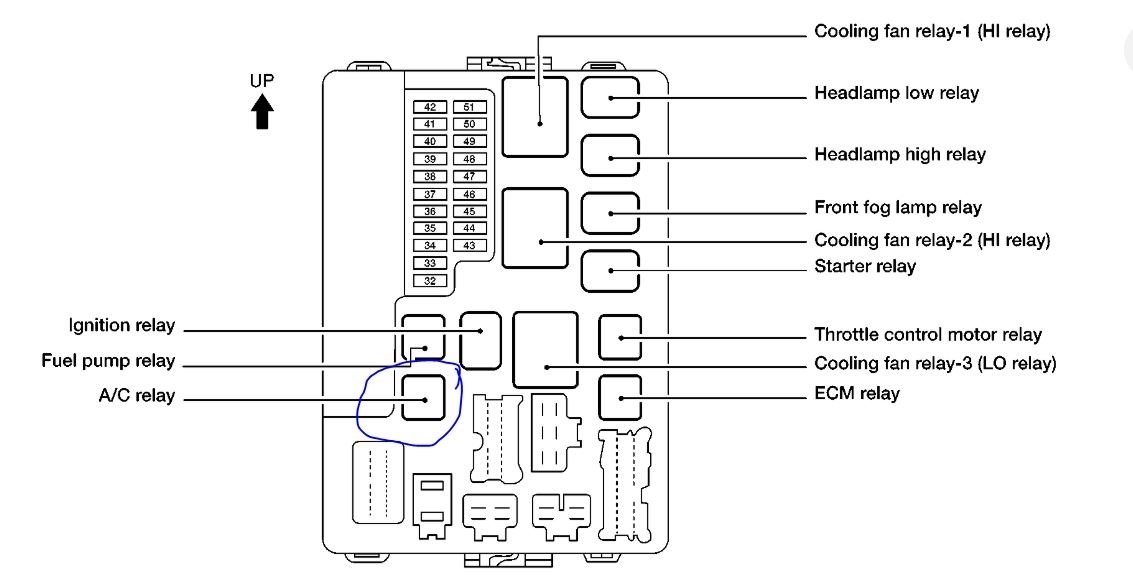
The air conditioning (A/C) system in your vehicle is a complex network of components working in harmony to keep you cool and comfortable, especially during those sweltering summer months. At the heart of this system lies the A/C compressor, responsible for circulating refrigerant throughout the entire loop. But like any other electrically driven device in your car, the compressor relies on a relay to manage its power supply. Knowing the location of your A/C compressor relay is crucial for troubleshooting A/C problems, performing maintenance, and potentially saving yourself a trip to the mechanic.
Why a Relay? Understanding the Function
Before diving into specific locations, it's essential to understand why a relay is used in the first place. The A/C compressor draws a significant amount of current. Directly routing this current through the A/C switch on your dashboard would be impractical and potentially dangerous, requiring heavy-duty wiring and a robust switch. A relay acts as an intermediary: a small current from the A/C switch activates the relay, which then closes a circuit allowing the high current to flow directly to the compressor. Think of it as an electrical switch controlled by a smaller electrical signal.
In essence, the relay protects your A/C switch and wiring from overload, ensuring a more reliable and safer system.
Where to Find the A/C Compressor Relay: The Common Locations
The location of the A/C compressor relay varies depending on the vehicle manufacturer, model, and year. However, there are a few common places to start your search:
1. The Under-Hood Fuse Box
This is the most likely location. The under-hood fuse box, typically located near the engine bay (usually on the driver's side or passenger's side inner fender), houses numerous fuses and relays responsible for various electrical circuits within the car. Open the fuse box cover and consult the fuse box diagram, which is usually printed on the underside of the cover or in your vehicle's owner's manual. Look for a relay labeled "A/C Compressor," "A/C Clutch," or something similar. The diagram should indicate the relay's exact position.
Example: Many Toyota and Honda models from the 2000s and 2010s often house the A/C compressor relay in the under-hood fuse box.
2. The Interior Fuse Box
Sometimes, the A/C compressor relay might be located in the interior fuse box, which is often found under the dashboard, either on the driver's side or the passenger's side. Again, refer to the fuse box diagram to identify the correct relay. This location is less common than the under-hood fuse box but still worth checking.
Example: Some older Ford models (pre-2000s) may have the A/C compressor relay located in the interior fuse box.
3. Dedicated Relay Box
In some vehicles, particularly older models or those with more complex electrical systems, the A/C compressor relay might be located in a separate, dedicated relay box. This box is typically smaller than the main fuse boxes and may be located near the engine bay or under the dashboard. Finding this relay box requires a more thorough inspection of the wiring harness and potentially consulting a vehicle-specific repair manual.
4. Integrated Power Module (IPM)
Modern vehicles are increasingly using Integrated Power Modules (IPMs), which combine the functions of fuse boxes, relays, and electronic control units into a single unit. In this case, the A/C compressor relay function is integrated within the IPM, making it less accessible for individual replacement. Troubleshooting issues within an IPM often requires specialized diagnostic equipment and expertise.
Example: Many Chrysler, Dodge, and Jeep vehicles from the late 2000s onwards utilize IPMs extensively.
Identifying the Relay: Visual Inspection and Testing
Once you've located a potential candidate, visually inspect the relay. It's usually a small, cube-shaped component with several terminals (typically four or five). The relay should be labeled with its function or a part number. Compare the part number to the one listed in your vehicle's repair manual or online parts catalog to confirm its identity.
Testing the Relay
A faulty A/C compressor relay is a common cause of A/C problems. Here's how to test it:
- Visual Inspection: Check for any signs of damage, such as cracks, corrosion, or burnt terminals.
- Swapping with a Known Good Relay: If you have a relay of the same type used for another non-essential function (e.g., the horn relay), you can temporarily swap it with the A/C compressor relay to see if the A/C starts working. Remember to turn off the ignition before swapping relays.
- Using a Multimeter: A multimeter can be used to test the relay's continuity and functionality. You can test the coil resistance and whether the contacts close when power is applied to the coil. Many resources online provide detailed instructions on how to test a relay using a multimeter.
Common Symptoms of a Failing A/C Compressor Relay
If your A/C compressor relay is failing, you may experience the following symptoms:
- A/C Not Working: This is the most obvious symptom. The A/C compressor simply won't engage, and you'll only get warm air from the vents.
- Intermittent A/C: The A/C may work sometimes but not others. This can be due to a relay that is intermittently failing.
- Clicking Sound: You might hear a clicking sound coming from the relay when you turn on the A/C, indicating that the relay is trying to engage but failing.
Maintenance and Replacement
Relays are relatively inexpensive and easy to replace. If you suspect a faulty A/C compressor relay, replacing it is a good starting point for troubleshooting A/C problems. Always use a relay that is compatible with your vehicle's specifications. Refer to your owner's manual or a parts catalog to find the correct replacement relay.
Regularly inspecting your vehicle's fuses and relays for signs of damage or corrosion is a good preventative maintenance practice that can help you avoid A/C problems and other electrical issues.
Troubleshooting Beyond the Relay
While a faulty relay is a common cause of A/C problems, it's important to remember that other issues can also prevent the A/C from working. These include:
- Low Refrigerant: The A/C system needs sufficient refrigerant to function properly.
- Faulty A/C Compressor: The compressor itself may be failing.
- Clogged Expansion Valve: This valve regulates the flow of refrigerant.
- Faulty Pressure Switch: This switch monitors the refrigerant pressure and prevents the compressor from running if the pressure is too low or too high.
- Electrical Problems: Issues with wiring or connectors can also prevent the A/C from working.
Conclusion
Locating the A/C compressor relay is a fundamental step in diagnosing and resolving A/C problems in your vehicle. By understanding the function of the relay, knowing the common locations, and being able to test its functionality, you can potentially save yourself time and money on repairs. However, remember that the A/C system is a complex network of components, and if you're unable to identify the problem, it's always best to consult a qualified automotive technician.