
Location Of The Crankshaft Position Sensor
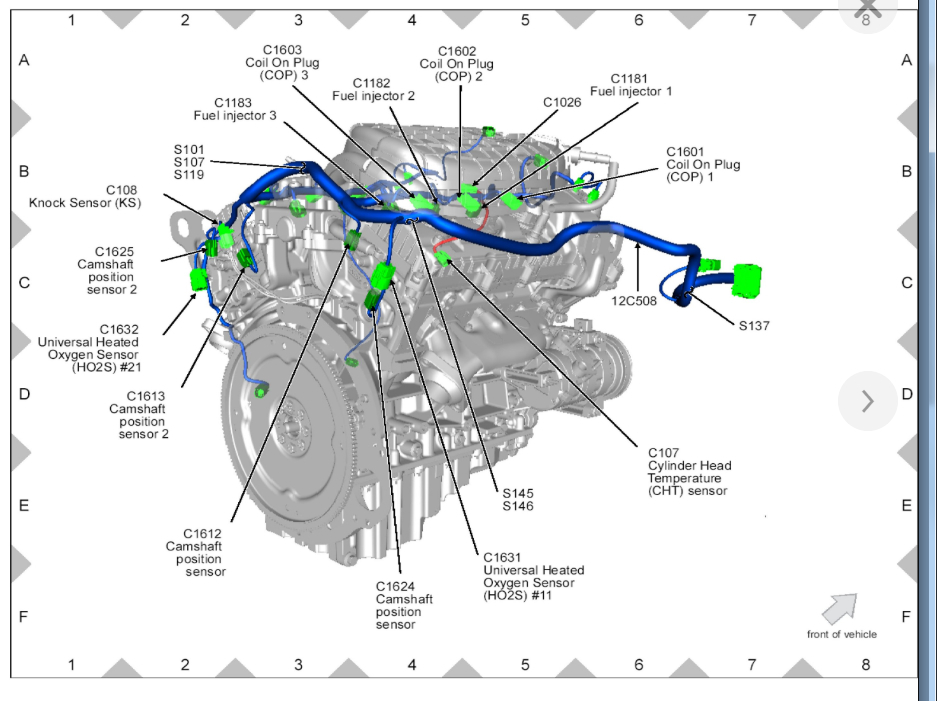
The crankshaft position sensor (CKP sensor) is a crucial component in modern internal combustion engines. Its primary function is to monitor the position and rotational speed of the crankshaft. This information is relayed to the engine control unit (ECU), which uses it to manage ignition timing, fuel injection, and other essential engine functions. A faulty CKP sensor can lead to a variety of performance issues, including engine misfires, stalling, and even a complete failure to start. Understanding the location of this sensor is therefore vital for both DIY mechanics and anyone who wants to better understand their vehicle.
Understanding the Importance of the Crankshaft Position Sensor
Before diving into the specific locations, it's helpful to understand why the CKP sensor is so important. The ECU relies heavily on the data provided by the sensor to ensure the engine runs smoothly and efficiently. Here's a breakdown:
- Ignition Timing: The CKP sensor helps the ECU determine when to fire the spark plugs in each cylinder. Incorrect timing can lead to reduced power, poor fuel economy, and increased emissions.
- Fuel Injection: The sensor's data allows the ECU to accurately time the fuel injectors, ensuring the correct amount of fuel is delivered to each cylinder at the precise moment.
- Engine Speed (RPM): The CKP sensor provides the ECU with real-time engine speed data. This information is used for various purposes, including controlling the transmission and preventing the engine from over-revving.
- Synchronization: In some engines, the CKP sensor works in conjunction with the camshaft position sensor (CMP sensor) to provide even more precise information about the engine's position. This is particularly important in engines with variable valve timing.
Because of these critical functions, a failing or failed CKP sensor can have severe consequences for your vehicle's performance and reliability. Knowing its location is the first step in diagnosing and resolving potential issues.
Common Locations of the Crankshaft Position Sensor
The location of the crankshaft position sensor varies depending on the vehicle make, model, and engine type. However, there are some common locations where you're likely to find it:
Near the Crankshaft Pulley (Front of Engine)
One of the most frequent locations is near the crankshaft pulley, which is located at the front of the engine. The crankshaft pulley is a large, rotating disc that drives the accessory belts (e.g., alternator, power steering pump, air conditioning compressor). The CKP sensor is typically mounted on a bracket that positions it close to the pulley.
Look for a small, cylindrical sensor with a wire harness connected to it. The sensor usually points towards a toothed wheel or reluctor ring attached to the crankshaft pulley. As the crankshaft rotates, the teeth pass by the sensor, generating a signal that is sent to the ECU.
Why is it located here? This location is convenient because it provides direct access to the crankshaft's rotational movement. The toothed wheel/reluctor ring provides a clear and consistent signal for the sensor to read.
Near the Flywheel or Flexplate (Rear of Engine)
Another common location is near the flywheel (for manual transmissions) or flexplate (for automatic transmissions). The flywheel/flexplate is located at the rear of the engine, where it connects to the transmission. The CKP sensor is often mounted on the engine block or transmission housing, positioned to read the teeth on the flywheel/flexplate's outer edge.
Finding the sensor in this location might require a bit more effort as it's typically tucked away. You'll need to look around the bellhousing (the part of the transmission that connects to the engine) for a sensor with a wire harness.
Why is it located here? This location allows the sensor to monitor the crankshaft's position at the point where power is transferred to the transmission. Similar to the crankshaft pulley setup, a toothed wheel or reluctor ring provides the necessary signal for the sensor.
Inside the Distributor (Older Vehicles)
On older vehicles with distributors, the CKP sensor may be integrated into the distributor assembly. The distributor's role is to distribute high-voltage electricity to the spark plugs in the correct firing order. If the CKP sensor is part of the distributor, it will typically be located inside the distributor housing, near the rotating shaft.
If your vehicle has a distributor, this is a good place to start your search. Keep in mind that modern vehicles rarely use distributors, so this location is becoming less common.
Why was it located here? In older systems, integrating the CKP sensor into the distributor simplified the wiring and overall system design. The distributor already housed components related to ignition timing, making it a logical place to include the CKP sensor.
How to Find the Crankshaft Position Sensor: A Step-by-Step Guide
Locating the crankshaft position sensor can sometimes be challenging, especially if you're not familiar with your vehicle's engine. Here's a step-by-step guide to help you find it:
- Consult Your Vehicle's Repair Manual: This is the best starting point. The repair manual will provide specific information about the location of the CKP sensor on your particular make and model. It will also include diagrams and illustrations that can be extremely helpful.
- Use Online Resources: Many online forums and websites dedicated to specific vehicle makes and models contain valuable information about CKP sensor locations. Search for your vehicle's year, make, model, and "crankshaft position sensor location."
- Visually Inspect the Common Locations: Start by checking the crankshaft pulley at the front of the engine and the flywheel/flexplate area at the rear of the engine. Use a flashlight to get a better view.
- Follow the Wires: If you can locate the wire harness connector for the CKP sensor, follow the wires back to the sensor itself. This can help you pinpoint its exact location.
- Ask a Mechanic: If you're still unable to find the sensor, don't hesitate to ask a qualified mechanic for assistance. They have the experience and knowledge to quickly locate the sensor and diagnose any related problems.
What to Look For: Identifying the Crankshaft Position Sensor
Once you've narrowed down the possible locations, here are some key characteristics to look for to identify the CKP sensor:
- Shape and Size: The CKP sensor is typically a small, cylindrical or rectangular sensor.
- Material: It's usually made of metal or plastic.
- Wire Harness Connector: The sensor will have a wire harness connector attached to it. This connector usually has two or three wires.
- Proximity to Toothed Wheel/Reluctor Ring: The sensor will be positioned very close to a toothed wheel or reluctor ring on the crankshaft pulley or flywheel/flexplate.
- Mounting Bracket: The sensor is usually mounted on a bracket that secures it in place.
Troubleshooting a Faulty Crankshaft Position Sensor
If you suspect that your CKP sensor is failing, here are some common symptoms to watch out for:
- Engine Misfires: A faulty CKP sensor can cause the engine to misfire, resulting in rough idling and reduced power.
- Stalling: The engine may stall unexpectedly, especially at low speeds.
- Difficulty Starting: The engine may be difficult to start or may not start at all.
- Check Engine Light: The check engine light may illuminate, and a diagnostic code related to the CKP sensor may be stored in the ECU. Common codes include P0335, P0336, P0337, P0338, and P0339.
- Poor Fuel Economy: Inaccurate timing can result in using more fuel than normal.
If you experience any of these symptoms, it's important to have your vehicle diagnosed by a qualified mechanic. They can use a scan tool to read the diagnostic codes and perform further tests to determine if the CKP sensor is the cause of the problem. Replacing a CKP sensor is generally a straightforward repair, but it's crucial to ensure that the correct sensor is used and that it's properly installed.
Important Note: Before replacing the CKP sensor, always check the wiring and connectors for any signs of damage or corrosion. A loose or corroded connection can sometimes cause similar symptoms to a faulty sensor.
Conclusion
The crankshaft position sensor is a vital component that plays a crucial role in engine management. Knowing its location is essential for diagnosing and resolving potential engine problems. While the exact location varies depending on the vehicle, understanding the common locations and following the steps outlined in this article will help you find it. Remember to consult your vehicle's repair manual or seek professional assistance if needed. By understanding the CKP sensor and its function, you can ensure that your vehicle runs smoothly and reliably for years to come. Regular maintenance and prompt attention to any warning signs will help prevent more serious engine problems down the road.