
Location Of Upstream Oxygen Sensor
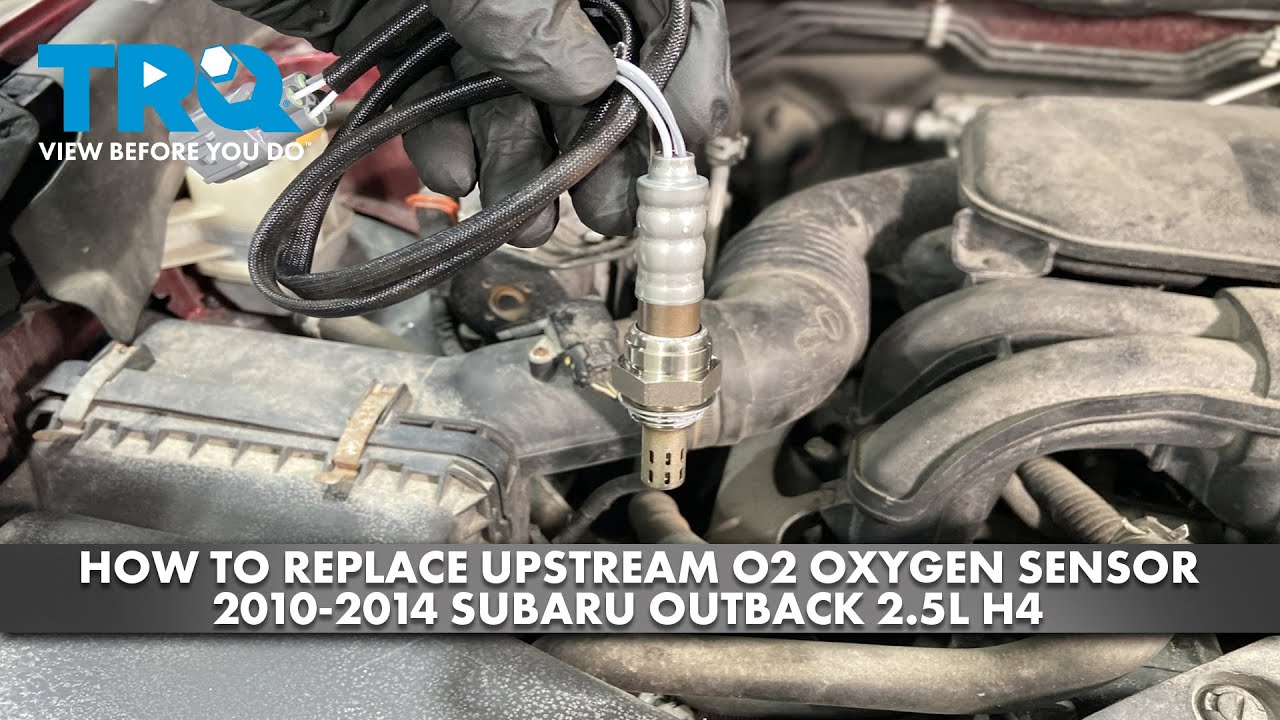
The upstream oxygen sensor, sometimes called the pre-cat oxygen sensor, plays a crucial role in your vehicle's engine management system. It's responsible for monitoring the oxygen content in the exhaust gases *before* they enter the catalytic converter. This information is then sent to the engine control unit (ECU), which uses it to fine-tune the air-fuel mixture for optimal combustion and fuel efficiency. Understanding its location, potential problems, and troubleshooting techniques is essential for both car owners and mechanics.
Location of the Upstream Oxygen Sensor
Typically, the upstream oxygen sensor is located in the exhaust manifold, close to the engine. It's positioned before the catalytic converter. However, the exact placement can vary depending on the vehicle's make, model, and engine type. Here's a breakdown for some popular car models:
- Honda Civic: Usually found threaded into the exhaust manifold, easily accessible from under the hood.
- Toyota Camry: Similar to the Civic, it's typically on the exhaust manifold, often near the firewall.
- Ford F-150: Depending on the engine (e.g., V6 or V8), the upstream sensors will be on each exhaust manifold, leading to the catalytic converters.
- BMW 3 Series: Often located on the exhaust manifold, sometimes requiring removal of heat shields for access.
Pro Tip: A good starting point is to follow the exhaust manifold away from the engine. You'll likely see a sensor with wires connected to it. That's probably your upstream oxygen sensor. A repair manual or online vehicle-specific diagrams can be extremely helpful.
Common Problems and Troubleshooting
A malfunctioning upstream oxygen sensor can lead to a variety of issues. Recognizing the symptoms is the first step toward diagnosis and repair.
Symptoms of a Faulty Upstream Oxygen Sensor
- Poor Fuel Economy: The ECU relies on the sensor's data to optimize the air-fuel mixture. If the sensor is inaccurate, the engine may run rich (too much fuel) or lean (not enough fuel), leading to decreased fuel efficiency.
- Rough Idling: An incorrect air-fuel mixture can cause the engine to idle roughly or even stall.
- Check Engine Light (CEL): This is the most common indicator. Diagnostic trouble codes (DTCs) such as P0131 (O2 Sensor Circuit Low Voltage Bank 1 Sensor 1), P0134 (O2 Sensor Circuit No Activity Detected Bank 1 Sensor 1), P0171 (System Too Lean Bank 1), and P0172 (System Too Rich Bank 1) are frequently associated with upstream oxygen sensor problems. Bank 1 Sensor 1 always refers to the upstream sensor on bank 1.
- Failed Emissions Test: A malfunctioning sensor can cause the engine to produce excessive emissions, leading to a failed emissions test.
- Hesitation During Acceleration: The engine may hesitate or stumble when accelerating due to an improper air-fuel mixture.
Causes of Upstream Oxygen Sensor Failure
Several factors can contribute to the failure of an upstream oxygen sensor:
- Contamination: Oil leaks, coolant leaks, or excessive use of fuel additives can contaminate the sensor, affecting its accuracy.
- Age and Wear: Like any component, oxygen sensors have a limited lifespan. Over time, they degrade and become less accurate.
- Physical Damage: Impact from road debris or improper installation can damage the sensor.
- Electrical Issues: Damaged wiring or faulty connections can prevent the sensor from functioning properly.
- Carbon Buildup: Excessive carbon buildup can insulate the sensor and prevent it from accurately measuring oxygen levels.
Troubleshooting Steps
- Scan for Diagnostic Trouble Codes (DTCs): Use an OBD-II scanner to retrieve any stored DTCs. This will provide valuable clues about the nature of the problem.
- Visual Inspection: Carefully inspect the sensor and its wiring for any signs of damage, such as cracks, corrosion, or frayed wires.
- Multimeter Testing: Use a multimeter to check the sensor's voltage output and resistance. Consult your vehicle's repair manual for the correct values.
A healthy oxygen sensor should fluctuate its voltage rapidly when the engine is running. A sluggish or steady voltage reading is a sign of a problem.
- Check for Exhaust Leaks: Exhaust leaks near the sensor can introduce false readings, leading to inaccurate air-fuel mixture adjustments.
- Test with a Scan Tool: Many advanced scan tools can display live data from the oxygen sensor, allowing you to monitor its performance in real-time. Look for how quickly the sensor switches between rich and lean.
Real-World Examples and Solutions
Let's consider some specific scenarios:
Example 1: Honda Civic with P0171 (System Too Lean Bank 1)
Problem: A 2010 Honda Civic throws a P0171 code. The owner notices decreased fuel economy and a slight hesitation during acceleration.
Possible Causes:
- Faulty upstream oxygen sensor
- Vacuum leak
- Clogged fuel injector
Solution:
- Inspect the vacuum lines for leaks.
- Clean the throttle body.
- Test the upstream oxygen sensor with a multimeter. If the sensor is slow to respond or shows inconsistent readings, replace it. A new sensor might resolve the issue if it's simply aged.
Example 2: Ford F-150 with P0131 (O2 Sensor Circuit Low Voltage Bank 1 Sensor 1)
Problem: A 2015 Ford F-150 displays a P0131 code. The owner reports a rough idle and a noticeable decrease in power.
Possible Causes:
- Faulty upstream oxygen sensor
- Damaged wiring to the sensor
- Exhaust leak near the sensor
Solution:
- Visually inspect the wiring harness and connector for the upstream oxygen sensor on bank 1. Repair any damaged wires.
- Check for exhaust leaks near the sensor. Repair any leaks.
- Test the sensor with a multimeter. If the sensor's voltage output is consistently low, replace it.
Example 3: BMW 3 Series with No Codes, but Poor Fuel Economy
Problem: A 2012 BMW 3 Series exhibits poor fuel economy, but no check engine light is illuminated. The owner suspects a problem with the oxygen sensor.
Possible Causes:
- Slightly degraded upstream oxygen sensor (not enough to trigger a code)
- Dirty mass airflow (MAF) sensor
- Clogged air filter
Solution:
- Clean the MAF sensor with a MAF sensor cleaner.
- Replace the air filter.
- Monitor the upstream oxygen sensor's performance using a scan tool. If the sensor's response time is slow or inconsistent, consider replacing it as a preventative measure, even without a code.
Replacing the Upstream Oxygen Sensor
Replacing the upstream oxygen sensor is a relatively straightforward process, but it's important to follow these steps carefully:
- Disconnect the Negative Battery Terminal: This prevents electrical shorts and potential damage.
- Locate the Sensor: Refer to your vehicle's repair manual or online resources to pinpoint the sensor's exact location.
- Disconnect the Electrical Connector: Carefully disconnect the electrical connector from the sensor.
- Remove the Old Sensor: Use an oxygen sensor socket (a special socket with a cutout for the wiring) to remove the old sensor. If the sensor is seized, use penetrating oil and allow it to soak for several minutes before attempting to remove it. Be careful not to damage the exhaust manifold threads.
- Install the New Sensor: Apply anti-seize compound to the threads of the new sensor. This will make it easier to remove in the future. Install the new sensor and torque it to the manufacturer's specifications.
- Reconnect the Electrical Connector: Reconnect the electrical connector to the sensor.
- Reconnect the Negative Battery Terminal: Reconnect the negative battery terminal.
- Clear DTCs: Use an OBD-II scanner to clear any DTCs that may have been stored.
- Test Drive: Take the vehicle for a test drive to ensure that the new sensor is functioning properly.
Preventative Maintenance
While oxygen sensors have a limited lifespan, you can extend their life and maintain optimal engine performance by following these preventative maintenance tips:
- Use High-Quality Fuel: Avoid using low-quality fuel, which can contain contaminants that can damage the oxygen sensor.
- Address Oil Leaks Promptly: Oil leaks can contaminate the sensor and shorten its lifespan.
- Avoid Excessive Fuel Additives: Some fuel additives can damage the sensor. Use them sparingly and only when necessary.
- Regularly Inspect Your Exhaust System: Check for exhaust leaks, which can affect the sensor's readings.
- Follow Recommended Maintenance Schedule: Adhere to your vehicle's recommended maintenance schedule for oil changes, spark plug replacement, and other services.
By understanding the location, function, and potential problems associated with the upstream oxygen sensor, car owners and mechanics can effectively diagnose and resolve issues, ensuring optimal engine performance, fuel efficiency, and emissions control. Regular maintenance and prompt attention to any warning signs can significantly extend the lifespan of your vehicle and prevent costly repairs down the road. Remember to always consult your vehicle's repair manual for specific instructions and torque specifications.