
Mass Air Flow Sensor Code
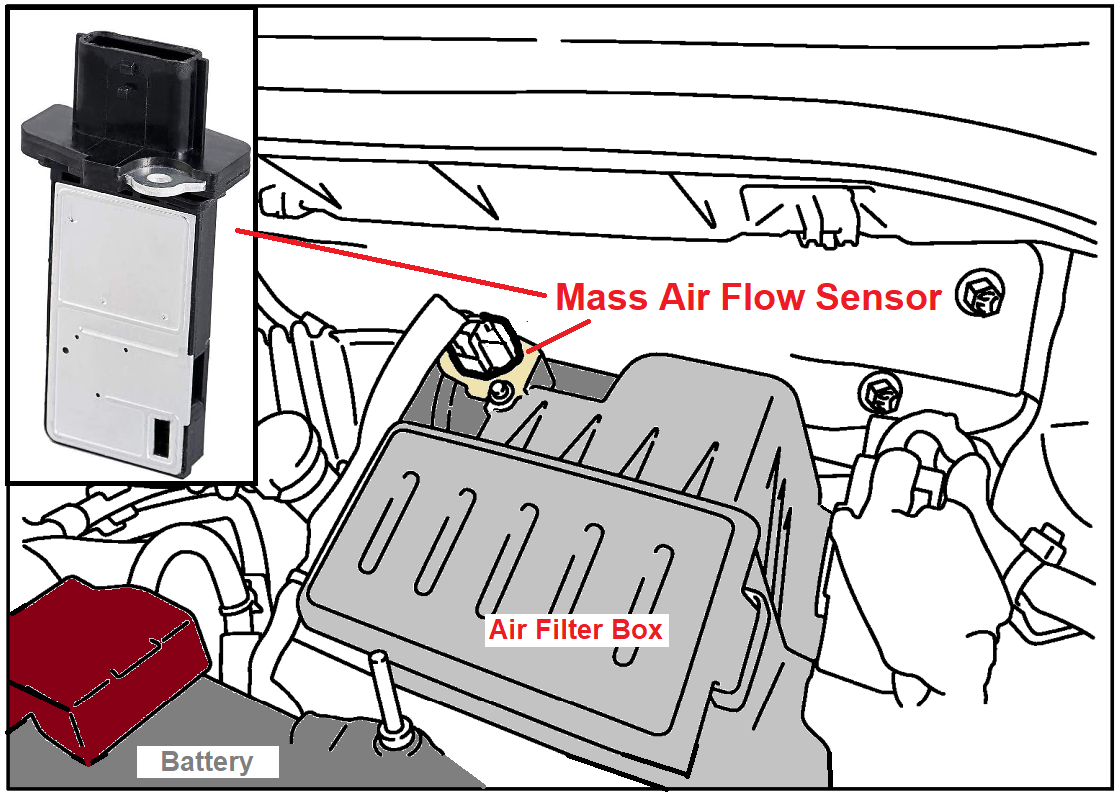
The Mass Air Flow (MAF) sensor is a critical component in modern internal combustion engines, responsible for measuring the amount of air entering the engine. This information is crucial for the engine control unit (ECU) to calculate the correct air-fuel ratio, ensuring optimal combustion, performance, and emissions. When the MAF sensor malfunctions, it often triggers a diagnostic trouble code (DTC), commonly referred to as a MAF sensor code. Understanding these codes, their causes, and troubleshooting steps is essential for any automotive enthusiast, mechanic, or technician.
Understanding MAF Sensor Codes
MAF sensor codes indicate a problem with the MAF sensor or its circuit. These codes aren't always straightforward; they may point to a sensor failure, but can also be triggered by other underlying issues affecting the sensor's readings. Here are some of the most common MAF sensor codes:
- P0100: Mass Air Flow Circuit Malfunction - This is a generic code indicating a problem within the MAF sensor circuit. It could be a faulty sensor, wiring issues, or a problem with the ECU.
- P0101: Mass Air Flow Circuit Range/Performance Problem - This code suggests that the MAF sensor signal is out of the expected range or not performing as expected. This could be due to a dirty sensor, air leaks, or a failing sensor.
- P0102: Mass Air Flow Circuit Low Input - This code indicates that the MAF sensor is reporting a lower-than-expected airflow reading. This might be caused by a short circuit, a faulty sensor, or a significant air leak after the MAF sensor.
- P0103: Mass Air Flow Circuit High Input - This code indicates that the MAF sensor is reporting a higher-than-expected airflow reading. This could be due to an open circuit, a faulty sensor, or, less commonly, a restriction in the exhaust system causing backflow.
- P0104: Mass Air Flow Circuit Intermittent - This code suggests that the MAF sensor signal is fluctuating or experiencing intermittent dropouts. This is often caused by loose wiring, corroded connectors, or a failing sensor.
Common Causes of MAF Sensor Codes
Several factors can contribute to MAF sensor codes. Accurately diagnosing the root cause is essential for effective repair.
Dirty or Contaminated MAF Sensor
The most common cause of MAF sensor issues is contamination. Over time, dust, oil particles, and other debris can accumulate on the sensor's hot wire or sensing element. This contamination insulates the element, affecting its ability to accurately measure airflow. This often triggers a P0101 code.
Example: A car owner regularly drives on dusty roads. Over time, the dust clogs the MAF sensor, causing the engine to run lean and triggering a P0101 code. Cleaning the sensor resolves the issue.
Air Leaks
Air leaks after the MAF sensor can significantly affect its readings. Unmetered air entering the engine after the MAF sensor causes the sensor to underreport the actual airflow, leading to lean conditions. Common locations for air leaks include cracked intake boots, loose hose clamps, and faulty gaskets. Such leaks often trigger P0101 or P0171 (System Too Lean) codes in conjunction with MAF sensor codes.
Example: A cracked intake boot allows unmetered air into the engine. The MAF sensor underestimates airflow, causing the engine to run lean. Replacing the intake boot solves the problem.
Wiring and Connector Issues
Problems with the MAF sensor wiring or connector can cause various codes, including P0100, P0102, P0103, and P0104. These issues can range from corroded connectors to damaged wires or shorts. A thorough inspection of the wiring harness and connector is essential when diagnosing MAF sensor codes.
Example: A rodent chews through the MAF sensor wiring, causing an open circuit and triggering a P0103 code. Repairing the wiring restores proper sensor function.
Faulty MAF Sensor
In some cases, the MAF sensor itself is faulty. The sensing element might be damaged, or the internal electronics might have failed. This is usually the last suspect after ruling out other potential causes.
Example: A car owner experiences persistent MAF sensor codes despite cleaning the sensor and checking for air leaks. A replacement MAF sensor is necessary to resolve the issue.
Vacuum Leaks
Vacuum leaks can cause an increase in the amount of air entering the engine. This results in a higher MAF reading and can lead to P0102 and P0103 error codes.
ECU Issues
Although rare, problems with the ECU can sometimes cause MAF sensor codes. The ECU might not be correctly interpreting the sensor signal or providing the correct voltage to the sensor. This is generally considered after all other potential causes have been eliminated.
Diagnosing MAF Sensor Codes
A systematic approach is crucial when diagnosing MAF sensor codes. Here's a step-by-step guide:
- Scan for Codes: Use an OBD-II scanner to confirm the presence of MAF sensor codes and any other related codes.
- Visual Inspection: Check the MAF sensor wiring and connector for any signs of damage, corrosion, or loose connections. Inspect the intake system for air leaks, cracked hoses, or loose clamps.
- MAF Sensor Cleaning: If the sensor appears dirty, carefully clean it with a dedicated MAF sensor cleaner. Avoid using harsh chemicals or touching the sensing element.
- Check for Air Leaks: Use a smoke machine or carb cleaner (use with caution) to identify any air leaks in the intake system.
- Test the MAF Sensor Signal: Use a multimeter or oscilloscope to measure the MAF sensor signal. Compare the readings to the manufacturer's specifications.
- Check the MAF Sensor Power and Ground: Verify that the MAF sensor is receiving the correct voltage and has a good ground connection.
- Perform a Live Data Stream Analysis: Use a scan tool to monitor the MAF sensor readings in real time while the engine is running. Look for any abnormal fluctuations or inconsistencies.
Troubleshooting MAF Sensor Codes
Once you've identified the cause of the MAF sensor code, you can proceed with the necessary repairs.
Cleaning the MAF Sensor
Cleaning the MAF sensor is often the first step in troubleshooting MAF sensor codes. Use a dedicated MAF sensor cleaner and follow the instructions carefully. Allow the sensor to dry completely before reinstalling it.
Repairing Air Leaks
Address any air leaks in the intake system by replacing cracked hoses, tightening loose clamps, or replacing faulty gaskets. Ensure that all connections are secure.
Repairing Wiring and Connectors
Repair any damaged wiring or connectors by splicing wires, replacing connectors, or cleaning corroded terminals. Ensure that all connections are secure and properly insulated.
Replacing the MAF Sensor
If the MAF sensor is faulty, replacement is necessary. Use a high-quality replacement sensor from a reputable manufacturer. Ensure that the replacement sensor is compatible with the vehicle.
Addressing ECU Issues
If the ECU is suspected of causing the MAF sensor code, further diagnostics and possibly reprogramming or replacement may be required. This often requires specialized equipment and expertise.
Preventive Maintenance
Preventive maintenance can help prevent MAF sensor issues and ensure optimal engine performance.
- Regular Air Filter Replacement: Replace the air filter regularly to prevent dust and debris from entering the engine and contaminating the MAF sensor.
- Proper Oil Maintenance: Maintain proper oil levels and use high-quality oil to prevent oil particles from contaminating the MAF sensor.
- Inspect Intake System Regularly: Inspect the intake system regularly for air leaks and address any issues promptly.
Real-World Use Case
A car owner notices a decrease in fuel economy and a lack of power in their vehicle. The check engine light is illuminated, and a scan reveals a P0101 code. Upon inspection, the mechanic discovers a cracked intake boot and a dirty MAF sensor. The mechanic replaces the intake boot and cleans the MAF sensor. After clearing the code and test driving the vehicle, the engine performance is restored, and the fuel economy returns to normal.
Conclusion
MAF sensor codes can be frustrating, but with a thorough understanding of the sensor's function, common causes of failures, and a systematic diagnostic approach, these issues can be effectively resolved. Whether you're a car enthusiast, a professional mechanic, or simply a car owner who likes to be informed, understanding MAF sensor codes and troubleshooting techniques is a valuable skill. Remember to always prioritize safety and consult a qualified technician if you are unsure about any aspect of the repair process. By following the steps outlined in this article, you can diagnose and resolve MAF sensor codes, ensuring optimal engine performance, fuel efficiency, and longevity.