
Matrix Awd Toyota Matrix 03 08 For Sale
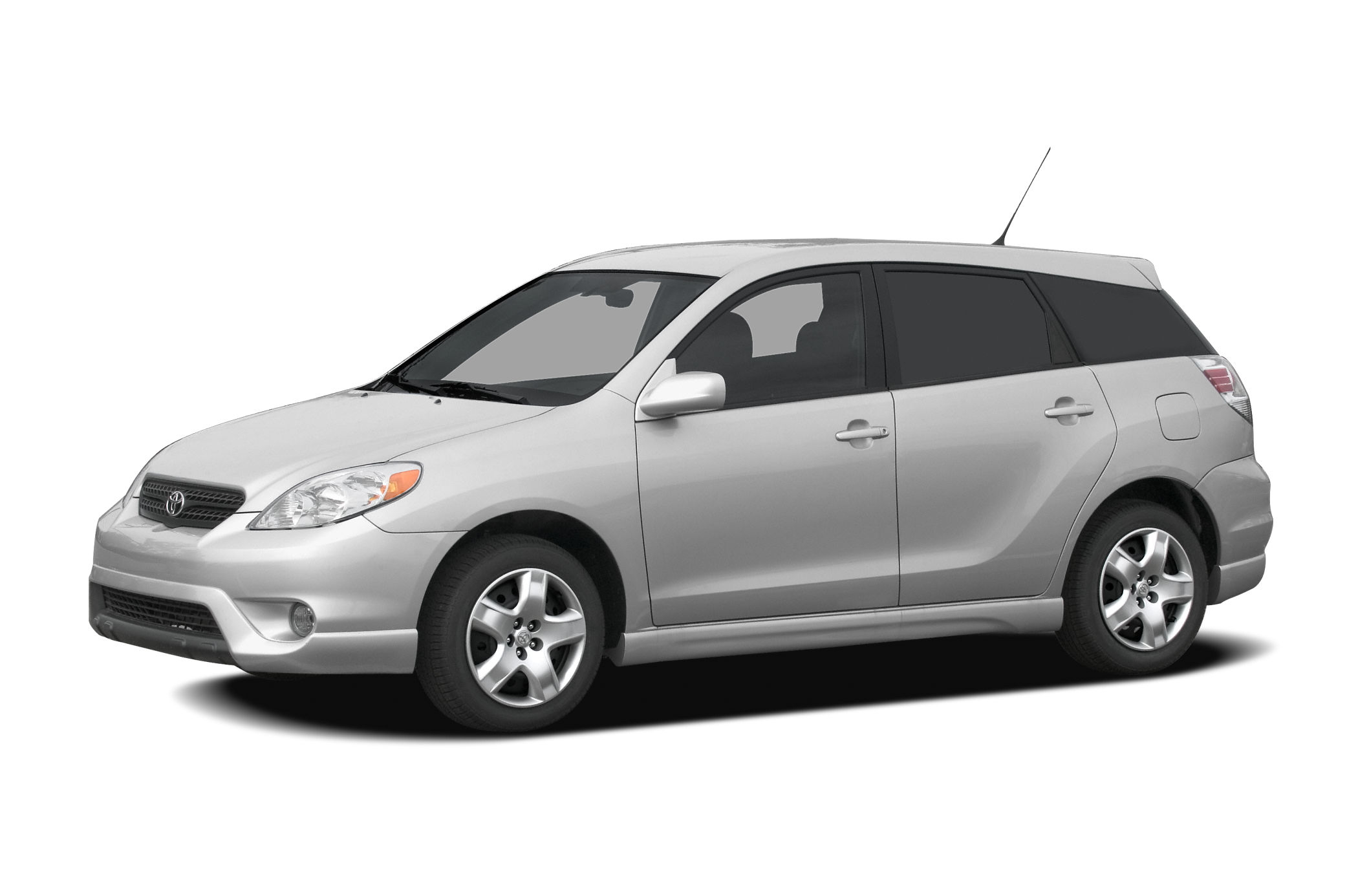
The Toyota Matrix, particularly the 2003-2008 models equipped with All-Wheel Drive (AWD), holds a unique place in automotive history. It offered a blend of hatchback practicality, wagon-like cargo space, and the added security of AWD, making it an appealing option for those living in areas with inclement weather. Understanding the intricacies of this AWD system can be beneficial whether you're considering buying one, already own one, or are a hobby mechanic looking to expand your knowledge.
The AWD System: A Simplified Explanation
Let's demystify what AWD actually means. In essence, AWD ensures that engine power is distributed to all four wheels of the vehicle, rather than just two. This differs from 4-Wheel Drive (4WD), which is typically found on trucks and SUVs and allows the driver to manually engage power to all four wheels, often with specific low-range gearing for off-road situations.
The Matrix AWD system, specifically in the 2003-2008 models, isn't a complex, electronically controlled system like you might find in a modern Audi Quattro or a Subaru symmetrical AWD system. Instead, it's a simpler, reactive system. Think of it like this: the car primarily operates in front-wheel drive (FWD) until the system detects slippage at the front wheels. When that happens, a viscous coupling or a similar type of differential distributes power to the rear wheels.
Viscous Coupling: The Heart of the System
A viscous coupling is a mechanical device filled with a special fluid that changes viscosity (thickness) when it's sheared – essentially, when different parts of the coupling are rotating at different speeds. Imagine two sets of plates inside the coupling, one connected to the front axle and the other to the rear. When the front wheels start to spin faster than the rear wheels (due to slippage), the fluid between the plates heats up and thickens. This thickened fluid then transfers torque from the faster-spinning front plates to the slower-spinning rear plates, effectively engaging the rear wheels.
To further illustrate, consider a similar system used in some older Mitsubishi Eclipse GSX models. They also relied on a viscous coupling to distribute power to the rear wheels when the front wheels lost traction. The principle remains the same: detect slippage, transfer power.
It's important to note that this type of AWD system isn't designed for serious off-roading. It's primarily intended to provide enhanced traction on slippery surfaces like snow, ice, or wet roads. Think of it as a safety net, rather than a rock-crawling tool. Compare this to a Jeep Wrangler's 4WD system, which allows for manual engagement of a low-range gear for extreme off-road conditions. The Matrix AWD is more subtle and less aggressive.
Differences from Modern AWD Systems
Modern AWD systems, like those found in newer Volvos or BMWs, are often electronically controlled. These systems use sensors to constantly monitor wheel speed, throttle position, steering angle, and other parameters. Based on this data, a computer determines the optimal distribution of torque between the front and rear wheels, often proactively anticipating slippage before it even occurs. This level of sophistication allows for more precise and efficient torque distribution, resulting in improved handling and stability.
The Matrix AWD system, being a simpler, mechanically-based system, is less sophisticated but also generally more reliable and easier to maintain. There are fewer electronic components that can fail, and the basic principle is relatively straightforward.
Maintenance Considerations
While the Matrix AWD system is generally robust, there are still some maintenance considerations to keep in mind:
- Differential Fluid: Regular replacement of the rear differential fluid is crucial. The fluid lubricates the gears and bearings within the differential, preventing wear and tear. Consult your owner's manual for the recommended fluid type and service interval. Using the correct fluid is critical; don't assume that any gear oil will do.
- Tire Condition: Maintaining proper tire pressure and ensuring that all four tires are the same size and have similar tread depth is essential for optimal AWD performance. Uneven tire wear can strain the AWD system and potentially damage the viscous coupling or differential. Imagine trying to run with one shoe that's significantly larger than the other – it wouldn't be very efficient or comfortable, and it could lead to injuries. The same principle applies to your car's tires.
- Viscous Coupling Inspection: While the viscous coupling itself is typically maintenance-free, it's a good idea to have it inspected periodically for leaks or other signs of damage. A worn or damaged viscous coupling can compromise the effectiveness of the AWD system.
Buying a Used Matrix AWD (2003-2008)
If you're considering purchasing a used Matrix AWD, there are a few things to look out for:
- Rust: Inspect the undercarriage for rust, especially in areas prone to corrosion, such as the rear suspension components and the exhaust system. Rust can weaken the structural integrity of the vehicle and lead to costly repairs.
- AWD Functionality: Test the AWD system by driving on a loose surface, such as gravel or snow, and see if you can feel the rear wheels engage when the front wheels start to slip. If the AWD system isn't functioning properly, it could indicate a problem with the viscous coupling or differential.
- Maintenance Records: Review the vehicle's maintenance records to see if the rear differential fluid has been regularly changed. Lack of maintenance can shorten the lifespan of the AWD system.
Practical Takeaways
Here are some practical takeaways to help you apply this knowledge:
- Understand your AWD system: The Matrix AWD is a reactive, mechanically-based system, not a sophisticated, electronically controlled one. This means it's best suited for enhancing traction on slippery surfaces, not for serious off-roading.
- Maintain your rear differential: Regular fluid changes are crucial for preserving the lifespan of the AWD system. Follow the manufacturer's recommendations for fluid type and service intervals.
- Pay attention to your tires: Ensure that all four tires are the same size and have similar tread depth. Uneven tire wear can strain the AWD system.
- Inspect before you buy: If you're considering purchasing a used Matrix AWD, thoroughly inspect the undercarriage for rust and test the functionality of the AWD system.
- Consider its age: These vehicles are now 15-20 years old. Be prepared for potential repairs associated with age, not just the AWD system itself. Hoses, belts, and other components may be nearing the end of their service life.
By understanding the nuances of the Toyota Matrix AWD system and following these practical tips, you can ensure that your vehicle provides reliable traction and performance for years to come. Whether you are a seasoned mechanic, or a new car owner, these simple tips will help you better care for your vehicle.