
Meguiar's Marine And Rv One Step Compound
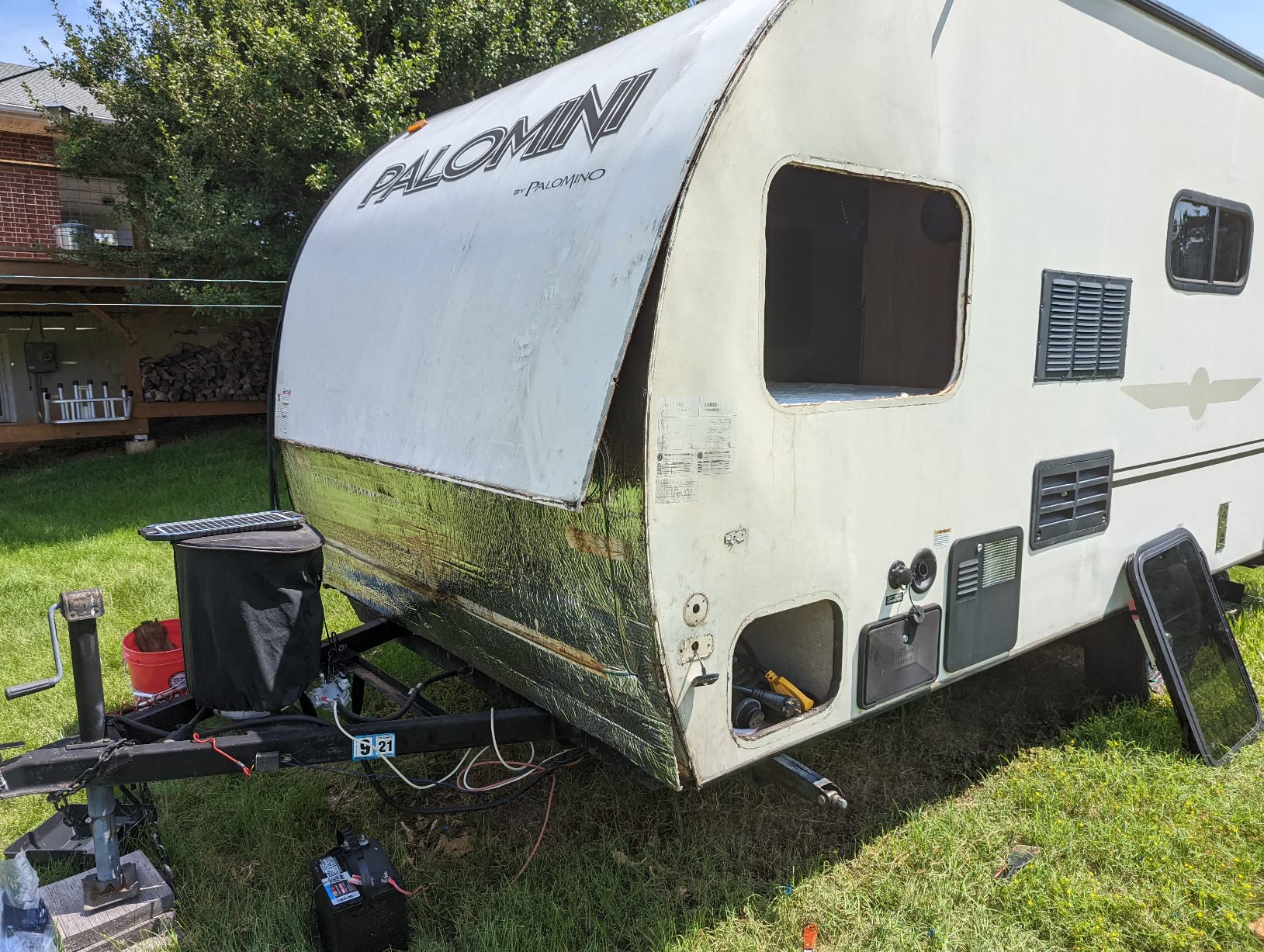
Meguiar's Marine & RV One Step Compound is a versatile product that, despite its name, can be a valuable asset in car care and detailing. It's designed to cut through oxidation, remove light scratches, and leave behind a layer of wax protection in one step. However, like any product, understanding its strengths and limitations is crucial for achieving optimal results. This article will explore the practical applications of Meguiar's Marine & RV One Step Compound for car owners and mechanics, focusing on maintenance, troubleshooting, and real-world issues.
Understanding the Compound: When to Use It
This compound is best suited for cars with mild to moderate oxidation, light scratches, swirl marks, and water spots. Think of it as a step up from a polish but not as aggressive as a dedicated heavy-cut compound. It's a good choice for older vehicles with single-stage paint or those with clear coats that haven't been properly maintained. For instance, a 2010 Honda Civic left out in the sun for years might exhibit faded paint and swirl marks that can be effectively addressed with this product.
Do not use this compound on cars with deep scratches that penetrate the clear coat or on freshly painted surfaces. In these cases, more specialized products and techniques are necessary. Attempting to remove deep scratches with Meguiar's Marine & RV One Step Compound may result in overworking the paint and causing further damage.
Common Problems and Solutions
Problem: Hazing or Swirling After Application
Symptom: The paint looks hazy or has visible swirl marks after applying the compound.
Cause: This can be due to several factors, including:
- Using an overly aggressive pad. A cutting pad will remove imperfections but can leave behind micro-marring.
- Applying too much pressure. Excessive pressure can overheat the paint and lead to hazing.
- Using a dirty pad. Contaminants on the pad can scratch the paint.
- Working in direct sunlight. The heat can cause the compound to dry too quickly and become difficult to work with.
Solution:
- Switch to a less aggressive pad. Start with a polishing pad instead of a cutting pad.
- Reduce pressure. Let the machine and the compound do the work.
- Clean your pad frequently. Use a pad cleaning brush or compressed air to remove residue.
- Work in a shaded area or garage.
- Follow up with a finishing polish. A finishing polish will remove any remaining micro-marring and enhance the gloss. Consider using Meguiar's Ultimate Polish after the compound.
For example, if you're working on a black 2015 Toyota Camry and notice hazing after using a cutting pad, switch to a polishing pad and reduce the pressure. You may also need a finishing polish to achieve a truly flawless finish.
Problem: Product Drying Too Quickly
Symptom: The compound dries out and becomes difficult to spread before you can properly work it in.
Cause:
- High temperatures and low humidity.
- Working in direct sunlight.
- Applying too much product.
Solution:
- Work in a cooler environment or during cooler times of the day.
- Work in the shade.
- Apply a small amount of product to the pad. A few dime-sized drops are usually sufficient.
- Prime the pad. Spray the pad with a little quick detailer or water before applying the compound.
- Work in smaller sections. Don't try to compound an entire panel at once.
Imagine you're detailing a red 2008 Ford Mustang on a hot summer day. The compound dries almost instantly. Try working in smaller sections, priming the pad, and moving the car into the shade.
Problem: Uneven Results
Symptom: Some areas look better than others after compounding.
Cause:
- Inconsistent application.
- Varying paint thickness.
- More severe oxidation or damage in some areas.
Solution:
- Ensure consistent overlap with each pass. Overlap each pass by 50% to ensure even coverage.
- Check paint thickness with a paint thickness gauge. If the paint is thin in certain areas, be extra cautious.
- Spot treat areas with more severe oxidation or damage. You may need to use a more aggressive pad or apply more pressure in these areas.
- Multiple passes may be needed on some areas.
If you're working on an older car, like a 1995 Chevrolet Corvette, the paint may be thinner in some areas due to previous polishing. Use a paint thickness gauge to identify these areas and adjust your technique accordingly.
Maintenance and Long-Term Care
After using Meguiar's Marine & RV One Step Compound, it's crucial to maintain the results and protect the paint. Here are some tips:
- Regular washing: Wash your car regularly with a pH-balanced car wash soap to remove dirt and grime.
- Waxing: Although the compound contains wax, applying a dedicated wax or sealant will provide additional protection and enhance the shine. Consider using Meguiar's Ultimate Wax for long-lasting protection.
- Quick detailing: Use a quick detailer spray between washes to remove light dust and fingerprints.
- Clay bar treatment: Clay bar your car periodically to remove bonded contaminants that washing alone cannot remove.
- Garage or car cover: Park your car in a garage or use a car cover to protect it from the elements.
By understanding the capabilities and limitations of Meguiar's Marine & RV One Step Compound and following proper maintenance procedures, you can keep your car looking its best for years to come. Remember to always test the product in an inconspicuous area before applying it to the entire car.