
Metal Valve Stems Vs Rubber
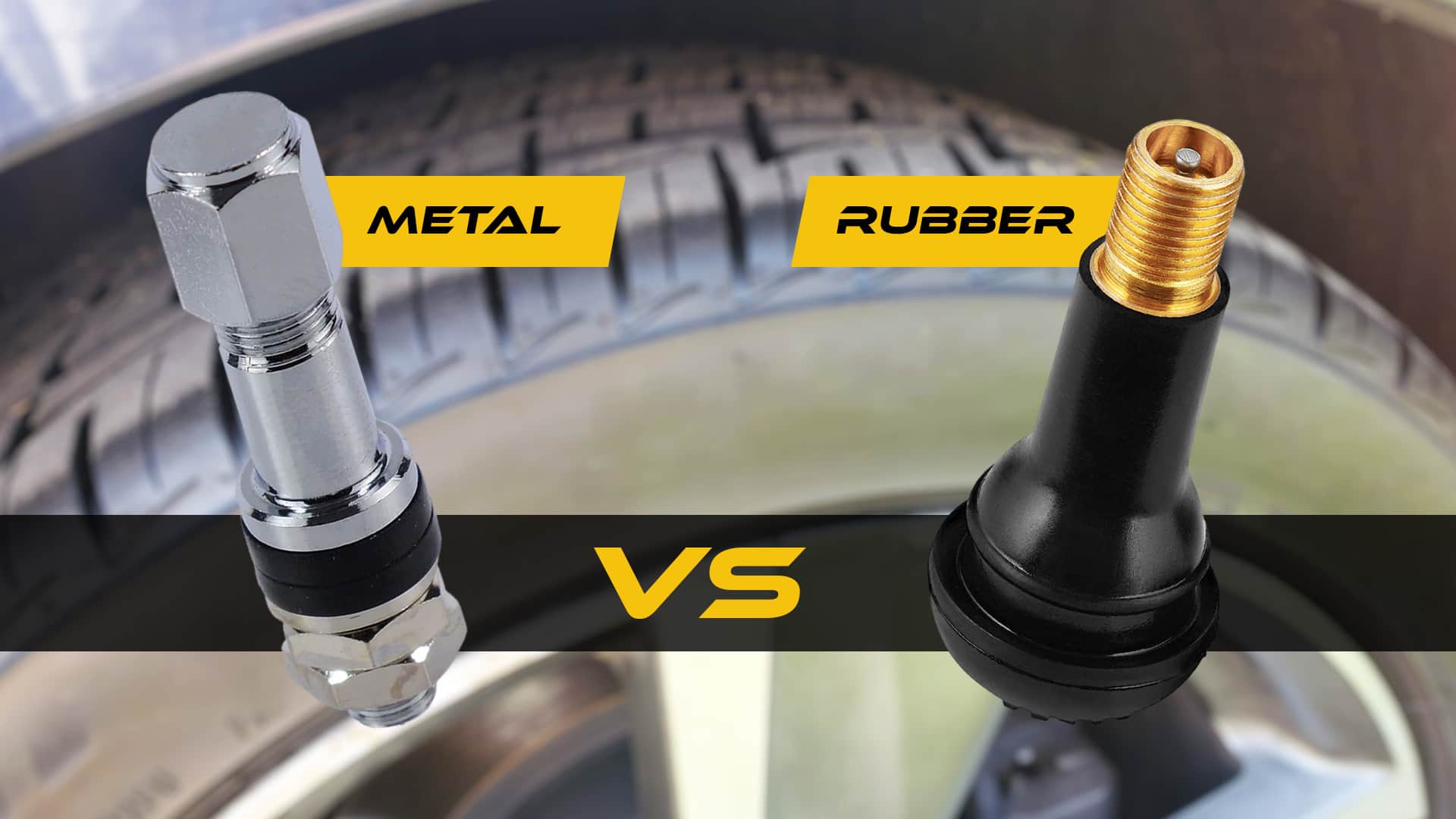
Choosing the right valve stem for your tires is an important decision that impacts your vehicle's safety and performance. While seemingly small, these components play a crucial role in maintaining proper tire pressure. Two primary types of valve stems dominate the market: metal valve stems and rubber valve stems. This article provides a comprehensive comparison to help you make an informed choice.
Metal vs. Rubber Valve Stems: An Overview
Both metal and rubber valve stems serve the same fundamental purpose: to provide a secure and airtight seal for inflating and deflating your tires. However, they differ significantly in their construction, durability, cost, and suitability for various applications. Understanding these differences is key to selecting the best option for your needs.
Rubber Valve Stems: The Common Choice
Rubber valve stems, also known as snap-in valve stems, are the most commonly found type, especially on standard passenger vehicles. They are made from a flexible rubber compound that is molded directly onto the valve core. Here's a closer look at their characteristics:
- Cost-Effective: Rubber valve stems are generally more affordable than their metal counterparts, making them a budget-friendly option.
- Ease of Installation: They are relatively easy to install and replace, requiring minimal specialized tools.
- Flexibility: The flexible nature of rubber allows them to bend and flex, reducing the risk of damage from minor impacts or curb scrapes.
- Limited Lifespan: Rubber is susceptible to degradation from UV exposure, ozone, and temperature fluctuations. This can lead to cracking, drying, and eventual failure.
- Speed Limitations: Standard rubber valve stems are typically rated for speeds up to 130 mph. Exceeding this limit can cause the valve stem to flex excessively due to centrifugal force, potentially leading to air leakage.
For everyday driving in standard passenger vehicles, rubber valve stems offer a practical and economical solution. However, their susceptibility to degradation and speed limitations make them less suitable for high-performance applications or vehicles frequently exposed to harsh conditions.
Metal Valve Stems: Durability and Performance
Metal valve stems are typically constructed from brass or aluminum and are designed for superior durability and performance. They come in various styles, including clamp-in and bolt-in designs. Here's a breakdown of their key features:
- Superior Durability: Metal valve stems are significantly more resistant to environmental degradation than rubber stems. They can withstand extreme temperatures, UV exposure, and corrosive elements without deteriorating.
- High-Speed Performance: Metal valve stems are designed to handle high speeds without flexing or leaking. They are essential for high-performance vehicles, motorcycles, and racing applications.
- Enhanced Aesthetics: Metal valve stems often offer a more aesthetically pleasing appearance, especially when paired with aftermarket wheels. They are available in various finishes to complement your vehicle's style.
- Longer Lifespan: Due to their robust construction, metal valve stems generally last significantly longer than rubber stems, reducing the need for frequent replacements.
- Higher Cost: Metal valve stems typically cost more than rubber stems, both in terms of the initial purchase price and installation.
- Installation Complexity: Installing metal valve stems can be more complex, often requiring specialized tools and expertise.
Metal valve stems are an excellent choice for drivers who prioritize durability, performance, and longevity. They are particularly well-suited for high-performance vehicles, motorcycles, trucks, and vehicles exposed to harsh environments.
Key Differences Summarized
To help you quickly compare the two options, here's a table summarizing the key differences between metal and rubber valve stems:
| Feature | Rubber Valve Stems | Metal Valve Stems |
|---|---|---|
| Cost | Lower | Higher |
| Durability | Lower | Higher |
| Lifespan | Shorter | Longer |
| Speed Rating | Lower (typically up to 130 mph) | Higher |
| Environmental Resistance | Lower | Higher |
| Installation | Easier | More Complex |
| Aesthetics | Basic | Enhanced |
Choosing the Right Valve Stem: Factors to Consider
Selecting the appropriate valve stem type depends on several factors, including:
- Vehicle Type: Standard passenger vehicles typically perform well with rubber valve stems, while high-performance vehicles, motorcycles, and trucks benefit from the durability and speed capabilities of metal valve stems.
- Driving Habits: If you primarily drive at moderate speeds and in typical driving conditions, rubber valve stems may suffice. However, if you frequently drive at high speeds or in extreme environments, metal valve stems are a safer and more reliable choice.
- Budget: Rubber valve stems are a more budget-friendly option, while metal valve stems represent a larger initial investment. Consider the long-term cost savings associated with the increased lifespan of metal stems.
- Aesthetics: If you are concerned about the appearance of your valve stems, metal valve stems offer a wider range of styles and finishes.
- Tire Pressure Monitoring System (TPMS): Many modern vehicles are equipped with TPMS. Ensure that the valve stems you choose are compatible with your vehicle's TPMS sensors. Some metal valve stems are specifically designed for TPMS integration.
When to Replace Your Valve Stems
Regardless of whether you choose metal or rubber valve stems, it's essential to inspect them regularly for signs of damage or wear. Replace your valve stems if you notice any of the following:
- Cracking or dry rot (especially common with rubber stems)
- Bent or damaged valve cores
- Leaking air around the valve stem
- Corrosion (especially with metal stems)
Many tire professionals recommend replacing valve stems every time you replace your tires, as this is a convenient and cost-effective way to ensure optimal tire performance and safety.
Professional Installation Recommended
While it may be tempting to replace your valve stems yourself, professional installation is generally recommended, especially for metal valve stems. A qualified tire technician can ensure proper installation and sealing, preventing leaks and ensuring the long-term reliability of your tires.
Important Note: Always use the correct tools and techniques when installing or replacing valve stems. Improper installation can damage the valve stem, tire, or wheel, leading to dangerous driving conditions.
Conclusion: Making the Right Choice
The decision between metal valve stems and rubber valve stems ultimately depends on your individual needs and priorities. For standard passenger vehicles driven in normal conditions, rubber valve stems offer a cost-effective and reliable solution. However, for high-performance vehicles, motorcycles, trucks, or vehicles frequently exposed to harsh environments, metal valve stems provide superior durability, performance, and longevity. By carefully considering the factors outlined in this article, you can make an informed decision that ensures the safety and performance of your vehicle.
Remember to consult with a qualified tire professional if you have any questions or concerns about choosing the right valve stem for your needs. They can provide expert advice and ensure proper installation.