
Milwaukee M18 Fuel 1 2 Inch Impact Wrench
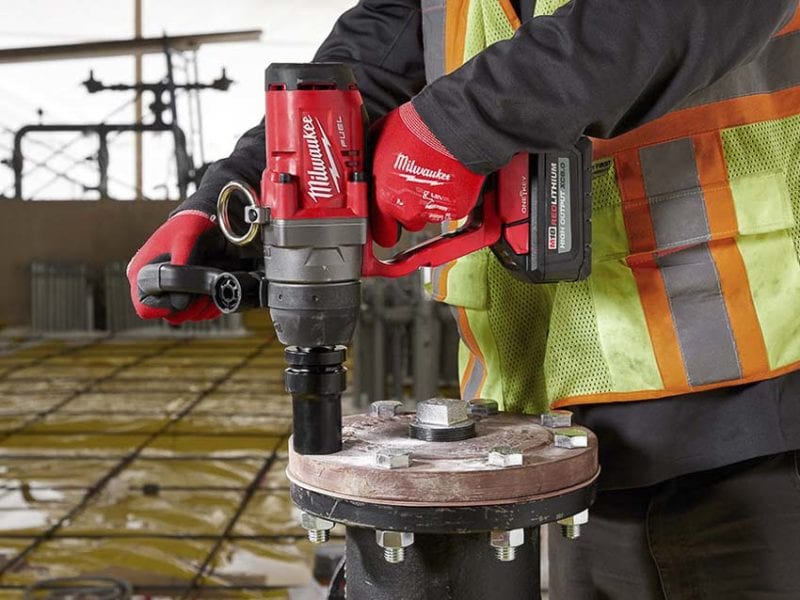
The Milwaukee M18 Fuel 1/2 Inch Impact Wrench has become a staple in both professional garages and DIY enthusiast workshops. Its power and cordless convenience make it indispensable for various automotive tasks. However, like any tool, it requires proper maintenance and can sometimes experience issues. This article dives into practical maintenance tips, common troubleshooting scenarios, and real-world problems you might encounter with your M18 Fuel impact wrench, offering solutions for keeping it running smoothly.
Maintenance: Keeping Your Impact Wrench in Top Shape
Regular maintenance is crucial for extending the lifespan and maximizing the performance of your Milwaukee impact wrench. Here are some key areas to focus on:
- Cleaning: After each use, wipe down the tool with a clean cloth to remove dirt, grease, and debris. Pay particular attention to the anvil (the square drive where sockets attach) and the vent openings. Avoid using harsh chemicals or solvents, as they can damage the plastic housing.
- Anvil Lubrication: The anvil needs regular lubrication to ensure smooth socket changes and prevent wear. Use a high-quality impact wrench grease specifically designed for this purpose. Apply a small amount to the anvil before each use or at least once a week if used frequently. A dry anvil can lead to difficulty removing sockets and premature wear.
- Battery Care: The M18 Fuel impact wrench relies on the M18 battery platform. Store batteries in a cool, dry place, away from direct sunlight and extreme temperatures. Avoid completely discharging batteries before recharging. Rotate your batteries if you have multiple to ensure even usage and extend their overall lifespan. Clean battery terminals regularly to maintain good contact.
- Inspection: Periodically inspect the tool for any signs of damage, such as cracks in the housing, loose screws, or excessive wear on the anvil. Address any issues promptly to prevent further damage.
Troubleshooting Common Problems
Even with proper maintenance, you might encounter issues with your M18 Fuel impact wrench. Here are some common problems, their causes, and potential solutions:
Problem: Impact Wrench Not Delivering Full Power
Symptoms: The tool struggles to loosen lug nuts or other fasteners, even when set to the highest power setting. It may feel like it's slipping or lacking torque.
Possible Causes:
- Low Battery: This is the most common culprit. Always ensure the battery is fully charged.
- Incorrect Power Setting: Make sure the tool is set to the highest power setting for demanding tasks.
- Worn Anvil: A severely worn anvil can reduce the transfer of power to the socket.
- Internal Damage: In rare cases, internal damage to the motor or impact mechanism can cause a loss of power.
Solutions:
- Charge the battery fully. Try a different battery if you have one.
- Verify the power setting is correct.
- Inspect the anvil for wear. If it's significantly worn, consider replacing it. This is a relatively inexpensive repair.
- If the problem persists, the tool may need professional repair. Contact a Milwaukee authorized service center.
Problem: Socket Stuck on Anvil
Symptoms: The socket is difficult or impossible to remove from the anvil after use.
Possible Causes:
- Lack of Lubrication: A dry anvil creates friction, making it difficult to remove sockets.
- Debris Build-up: Dirt, rust, and other debris can accumulate between the socket and the anvil, causing them to seize.
- Damaged Retaining Ring (Hog Ring): The retaining ring, or hog ring, is responsible for holding the socket in place. If it's damaged or missing, it can cause the socket to bind.
- Corrosion: Rust can form between the socket and the anvil.
Solutions:
- Apply impact wrench grease to the anvil before attaching the socket.
- Use a penetrating oil (like WD-40) to loosen the socket. Apply it to the joint between the socket and the anvil and let it sit for a few minutes before attempting to remove the socket.
- Inspect the retaining ring. If it's damaged, replace it. These are inexpensive and easy to replace.
- If corrosion is present, use a wire brush to clean the anvil and the inside of the socket.
Problem: Tool Overheating
Symptoms: The impact wrench becomes excessively hot during use, potentially shutting down to protect itself.
Possible Causes:
- Overuse: Continuously using the tool for extended periods without allowing it to cool down can cause overheating.
- Restricted Airflow: Blocked vent openings can prevent proper cooling.
- Faulty Motor: In rare cases, a failing motor can generate excessive heat.
Solutions:
- Allow the tool to cool down between uses.
- Ensure the vent openings are clean and unobstructed.
- If the tool consistently overheats even with moderate use, it may need professional repair.
Real-World Examples and Car Models
Here are some examples of how these issues might manifest when working on specific car models:
- Ford F-150 Lug Nuts: Struggling to remove lug nuts on a Ford F-150, even with a fully charged battery, could indicate a worn anvil or insufficient power setting. Ensure the impact wrench is set to the highest power setting and the anvil is properly lubricated.
- Honda Civic Suspension Components: When replacing suspension components on a Honda Civic, a socket getting stuck on the anvil after removing a stubborn bolt is a common occurrence. Applying penetrating oil and inspecting the retaining ring can resolve this.
- Chevy Silverado Brake Calipers: Removing brake calipers on a Chevy Silverado often requires significant torque. Overheating can occur if you're continuously tightening and loosening bolts without allowing the tool to cool down. Take breaks to prevent overheating.
Keeping Your Car in Top Condition (And Your Tools!)
Maintaining your car and your tools go hand in hand. Here are some general tips for keeping your car in top condition, which will ultimately reduce the strain on your tools:
- Regular Maintenance: Follow the manufacturer's recommended maintenance schedule for oil changes, filter replacements, and other routine services.
- Proper Fastener Torque: Always use a torque wrench to tighten fasteners to the specified torque values. Overtightening can damage components and make them difficult to remove later.
- Corrosion Prevention: Apply anti-seize compound to threads to prevent corrosion and make future removal easier.
- Inspect Regularly: Regularly inspect your car for signs of wear and tear, such as worn brake pads, leaking fluids, or damaged tires.
By following these maintenance tips and troubleshooting strategies, you can keep your Milwaukee M18 Fuel 1/2 Inch Impact Wrench in excellent working condition and ensure that your car repairs are performed efficiently and effectively. Remember, a well-maintained tool is a safe and reliable tool.