
Most Common Reason For Check Engine Light
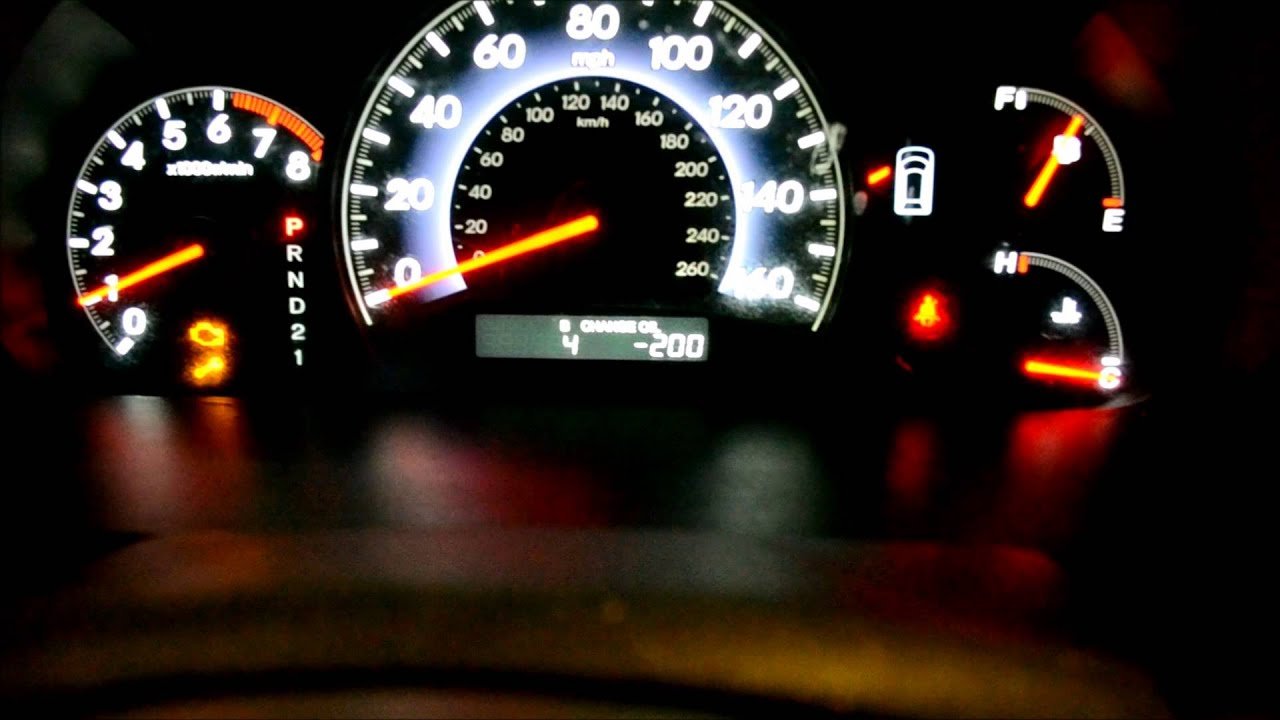
The dreaded Check Engine Light (CEL), also known as the Malfunction Indicator Lamp (MIL), is a modern driver's nemesis. Its glow on the dashboard can trigger anxiety, signaling a potential problem ranging from a minor hiccup to a serious mechanical failure. While a professional scan is always recommended, understanding the most common culprits behind the illuminated MIL can empower you to diagnose the issue, estimate repair costs, and communicate effectively with your mechanic.
The King of Culprits: The Oxygen Sensor
Topping the list of CEL triggers is often a faulty oxygen (O2) sensor. These sensors, typically located in the exhaust system before and after the catalytic converter, play a crucial role in monitoring the amount of oxygen in the exhaust gases. This data is relayed to the engine control unit (ECU), or engine computer, which then adjusts the air-fuel mixture for optimal combustion. A failing O2 sensor can lead to inaccurate readings, resulting in poor fuel economy, reduced engine performance, and ultimately, a lit CEL.
Several factors can cause O2 sensor failure, including contamination from oil or coolant leaks, physical damage, and simply reaching the end of their lifespan (typically around 60,000-100,000 miles). Replacing an O2 sensor is usually a relatively straightforward and affordable repair, often costing between $100 and $300, including parts and labor. However, some vehicles, particularly those with multiple O2 sensors or difficult-to-access locations, may incur higher costs.
The Catalytic Converter's Predicament
Following closely behind the O2 sensor is the catalytic converter. This crucial component is responsible for reducing harmful emissions from the exhaust gases, converting pollutants like hydrocarbons, carbon monoxide, and nitrogen oxides into less harmful substances. A failing or inefficient catalytic converter will trigger a CEL, often accompanied by a specific error code such as P0420 - Catalyst System Efficiency Below Threshold (Bank 1).
Catalytic converter failures can stem from various issues, including age, physical damage, and contamination from engine oil or coolant. A clogged or damaged converter restricts exhaust flow, negatively impacting engine performance and fuel economy. Replacement is often the only solution, and unfortunately, catalytic converters are relatively expensive components. Depending on the vehicle and converter type, expect to pay anywhere from $500 to $2000 or more, including labor. The high cost is due to the precious metals (platinum, palladium, and rhodium) used in their construction.
The Loose Gas Cap: A Simple Fix
Believe it or not, a loose or damaged gas cap is a surprisingly common reason for the CEL to illuminate. The fuel system is designed to be a sealed system, and the gas cap plays a crucial role in maintaining that seal. A loose or damaged cap allows fuel vapors to escape, triggering a vacuum leak and setting off the MIL. The error code often associated with this is P0455 - Large Evaporative Emission Leak Detected.
The good news is that this is often the easiest and cheapest fix. Simply tightening the gas cap or replacing it with a new one, typically costing under $30, can resolve the issue. However, it's important to note that it may take a few drive cycles for the CEL to turn off after addressing the problem.
Misfires: When Combustion Goes Wrong
Engine misfires, caused by incomplete combustion in one or more cylinders, are another frequent cause of the CEL. A misfire can result from various factors, including faulty spark plugs, ignition coils, fuel injectors, or vacuum leaks. The error code will typically indicate the specific cylinder experiencing the misfire (e.g., P0301 - Cylinder 1 Misfire Detected).
Diagnosing the root cause of a misfire often requires a systematic approach, starting with a visual inspection of the spark plugs and wires, followed by testing the ignition coils and fuel injectors. Repair costs can vary widely depending on the underlying issue, ranging from a simple spark plug replacement to a more complex fuel injector repair or engine valve problem. Regular maintenance, including timely spark plug replacements, can help prevent misfires and extend the life of your engine.
Mass Air Flow Sensor Problems
The Mass Air Flow (MAF) sensor measures the amount of air entering the engine. The ECU uses this information to calculate the correct amount of fuel to inject. A faulty MAF sensor can lead to incorrect air-fuel mixtures, resulting in poor performance, reduced fuel economy, and a CEL. Error codes such as P0101 - Mass Air Flow Circuit Range/Performance Problem are common.
A dirty or failing MAF sensor can often be cleaned or replaced. Cleaning can sometimes resolve the issue, but replacement is often necessary. Depending on the vehicle, a new MAF sensor can cost between $100 and $400.
In conclusion, while the CEL can be daunting, understanding the most common causes empowers you to approach the situation with knowledge and potentially save money. Always remember to have your vehicle professionally diagnosed to pinpoint the exact problem and ensure a proper repair.