
My Car Is Blowing Cold Air Instead Of Hot
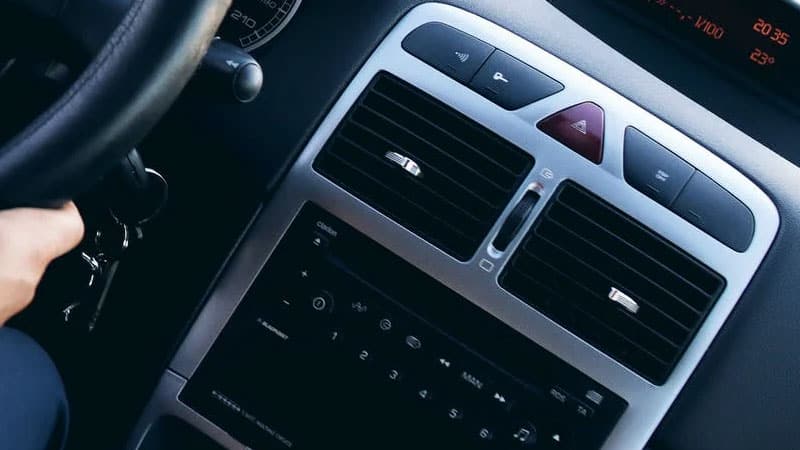
Few things are as frustrating as firing up your car on a frigid morning, cranking the heat, and being met with a blast of icy air. A malfunctioning heating system not only makes your commute unbearable but can also indicate underlying issues that, if left unchecked, could lead to more serious mechanical problems. Let's delve into the common culprits behind a car blowing cold air instead of hot, covering everything from basic checks to more complex diagnostics.
Low Coolant Level: The Foundation of Heat
The most frequent reason for a lack of heat is, ironically, linked to the cooling system. Your car's engine generates a tremendous amount of heat, which is managed by a coolant (a mixture of antifreeze and water) circulating through the engine block and radiator. This same coolant is also routed through the heater core, a small radiator located inside the dashboard. When the heater is turned on, a fan blows air across the heater core, warming it and directing it into the cabin. If the coolant level is low, the heater core won't receive enough hot coolant to effectively heat the air.
What to do: Check your coolant level in the reservoir (usually a translucent plastic tank near the radiator). If it's low, add the correct type of coolant (refer to your owner's manual for the recommended type). However, simply topping it off isn't enough. A consistently low coolant level suggests a leak, which needs to be identified and repaired. Common leak points include the radiator, hoses, water pump, and even the head gasket. Ignoring a coolant leak can lead to overheating and severe engine damage.
Thermostat Troubles: Regulating Engine Temperature
The thermostat is a crucial component that regulates engine temperature. It's essentially a valve that remains closed when the engine is cold, allowing the engine to warm up quickly. Once the engine reaches its optimal operating temperature, the thermostat opens, allowing coolant to flow to the radiator to prevent overheating. If the thermostat is stuck open, coolant continuously flows to the radiator, preventing the engine from reaching its proper operating temperature, especially in cold weather. Consequently, the heater core doesn't get hot enough to produce warm air.
What to do: A faulty thermostat often triggers a check engine light. If you suspect a thermostat issue, a diagnostic scan can confirm the problem. Replacing a thermostat is a relatively straightforward repair, but it's important to choose the correct thermostat for your vehicle. Using the wrong thermostat can lead to overheating or other performance issues.
Heater Core Clog: A Blocked Path to Warmth
Over time, the heater core itself can become clogged with debris, rust, or scale. This blockage restricts coolant flow, reducing its ability to heat the air. A clogged heater core can manifest in several ways, including weak airflow from the vents, a musty odor coming from the vents, and, of course, cold air blowing when heat is selected.
What to do: Flushing the heater core is a potential solution, but it's not always effective, especially with severe clogs. In some cases, replacing the heater core is the only option. This is a more involved repair, as it typically requires removing the dashboard. The labor cost can be significant, making it a more expensive repair.
Blend Door Actuator Failure: Directing the Airflow
The blend door actuator controls a flap (the blend door) that mixes hot air from the heater core and cold air from outside to achieve the desired temperature. If the actuator fails, the blend door may be stuck in the cold position, resulting in only cold air blowing, regardless of the temperature setting. A failing blend door actuator may make clicking or whirring noises behind the dashboard.
What to do: Diagnosing a blend door actuator problem usually involves using a scan tool to check for error codes. Replacing the actuator can be tricky, as it's often located in a difficult-to-reach area behind the dashboard. However, it's generally a less expensive repair than replacing the heater core.
Other Potential Causes
While less common, other potential causes of cold air blowing from the vents include:
- Air lock in the cooling system: Air trapped in the system can prevent coolant from circulating properly.
- Faulty water pump: A failing water pump may not circulate coolant effectively.
- Damaged or kinked hoses: Hoses that carry coolant to and from the heater core can become damaged or kinked, restricting coolant flow.
Preventive Maintenance: Regularly flushing and refilling your cooling system according to the manufacturer's recommendations (typically every 2-3 years or 30,000-60,000 miles) is crucial for preventing problems. Using the correct type of coolant and addressing leaks promptly will extend the life of your heating system and prevent costly repairs.