
My Car Starts But Wont Move When In Drive
So, you turn the key, your engine roars to life, but when you shift into Drive… nothing. That sinking feeling is setting in, and you're probably wondering what could possibly be wrong. Don't panic! While a car that starts but won't move is definitely a problem, it's often a solvable one. Let's break down some of the most common causes and what you can do about them.
Possible Causes and Solutions
1. Low Transmission Fluid
This is often the first place to check, and fortunately, it's often the easiest to fix. Your transmission relies on fluid for lubrication, hydraulic pressure, and cooling. Low fluid levels can prevent the transmission from engaging gears properly. Think of it like trying to run your engine without oil – things will quickly grind to a halt.
How to Check:
- Locate the transmission fluid dipstick (check your owner's manual – it's usually near the engine, but sometimes near the transaxle for front wheel drive vehicles).
- With the engine running and in park (on a level surface!), pull out the dipstick, wipe it clean, and reinsert it fully.
- Pull the dipstick out again and check the fluid level against the "full" and "low" marks.
- Also, pay attention to the fluid's color and smell. It should be reddish or pinkish and have a slightly sweet smell. Dark brown or black fluid with a burnt odor indicates a serious problem.
The Fix:
- If the fluid is low, add the correct type of transmission fluid (check your owner's manual) through the dipstick tube using a funnel. Add fluid in small increments and recheck the level until it's correct.
- If the fluid is dark, burnt, or contains metal shavings, you're likely facing a more significant transmission issue and should consult a mechanic. A simple fluid top-off won’t solve that.
Tools Needed: Funnel, appropriate transmission fluid (check your owner’s manual!), rags, safety glasses.
Approximate Cost: Transmission fluid typically costs $10-$20 per quart.
2. Broken Axle Shaft
An axle shaft is responsible for transferring power from the differential to the wheels. If an axle breaks, that wheel will no longer receive power, and the vehicle won't move, especially if only one axle is driven (e.g., a front-wheel-drive car with a broken axle won't move). This is more common than you might think, especially on older vehicles or those subjected to harsh driving conditions.
How to Check:
- Visually inspect the axle shafts, looking for any signs of damage, such as cracks, bends, or breaks. This can be tricky without lifting the vehicle.
- Listen for a clunking or snapping sound when shifting into gear or accelerating.
- If you suspect a broken axle, avoid driving the vehicle, as this could cause further damage.
The Fix:
- Replacing a broken axle shaft is not a simple DIY job and requires specialized tools and expertise. You'll need to jack up the vehicle, remove the wheel, disconnect the brake components, and potentially deal with removing the hub.
- It's best to have a qualified mechanic perform this repair.
Tools Needed: Jack, jack stands, lug wrench, sockets, wrenches, penetrating oil (PB Blaster), possibly a ball joint separator, potentially a slide hammer.
Approximate Cost: Axle shaft replacement can range from $300 to $800, depending on the vehicle and labor rates. This includes the cost of the new axle and the labor involved.
3. Shift Linkage Problems
The shift linkage connects your gear shifter to the transmission. If the linkage is broken, loose, or misadjusted, you might be shifting the lever, but the transmission isn't actually changing gears internally.
How to Check:
- Try shifting through all the gears (Park, Reverse, Neutral, Drive, etc.). Does the shifter feel loose or sloppy? Does it feel like it's not engaging properly?
- Have someone observe the shift linkage while you move the shifter. Look for any excessive play or disconnects. The linkage is often located underneath the vehicle where the shift cable connects to the transmission.
The Fix:
- Sometimes, the linkage can be adjusted. This typically involves loosening a bolt and realigning the linkage. Consult your vehicle's repair manual for specific instructions.
- If the linkage is broken, it will need to be replaced. This can be a more complex repair, especially if the linkage is difficult to access.
Tools Needed: Wrenches, sockets, screwdrivers, penetrating oil (PB Blaster), possibly a repair manual for your vehicle.
Approximate Cost: Adjustment of shift linkage might cost around $50-$150. Replacement can range from $150 to $400, depending on the complexity.
4. Transmission Issues
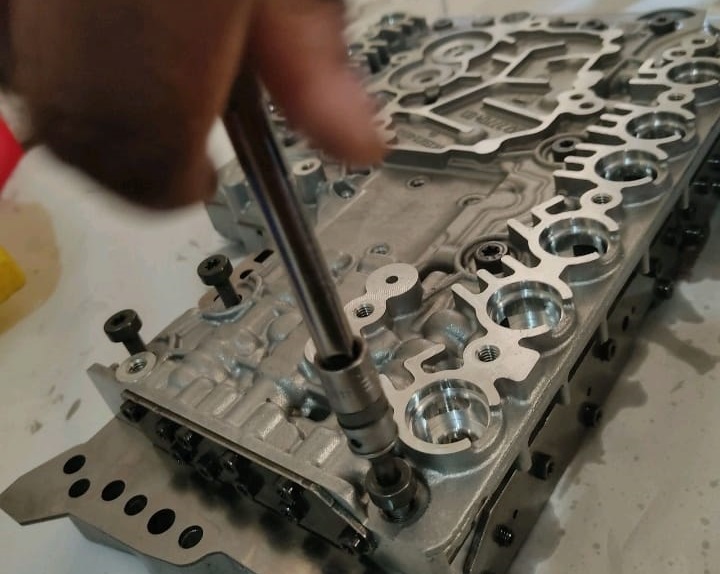
Internal transmission problems are, unfortunately, a common culprit when a car starts but won’t move. These can range from worn clutches and bands to a faulty valve body or a damaged torque converter.
How to Check:
- This is where things get tricky. Diagnosing internal transmission problems often requires specialized tools and expertise.
- Look for other symptoms like slipping gears, harsh shifting, or unusual noises coming from the transmission.
- A scan tool can often pull diagnostic trouble codes (DTCs) related to the transmission.
The Fix:
- Internal transmission repairs are best left to professionals. Depending on the severity of the problem, you might need a transmission rebuild or replacement.
- A transmission rebuild involves disassembling the transmission, inspecting all the components, replacing worn or damaged parts, and reassembling the transmission.
- A transmission replacement involves removing the old transmission and installing a new or remanufactured unit.
Tools Needed: Diagnostic scan tool, specialized transmission tools (if attempting DIY), jack, jack stands, sockets, wrenches, transmission jack.
Approximate Cost: Transmission repairs can vary widely in cost. A minor repair might cost a few hundred dollars, while a rebuild can range from $1500 to $3500, and a replacement can cost $2000 to $5000 or more. It’s always a good idea to get a few quotes.
5. Parking Brake Engaged
While it sounds silly, sometimes the simplest solutions are overlooked! Ensure your parking brake isn't partially or fully engaged. A stuck or malfunctioning parking brake can prevent the vehicle from moving, even if the engine is running and the transmission is in gear.
How to Check:
- Visually inspect the parking brake lever or pedal to ensure it's fully disengaged.
- Try releasing and re-engaging the parking brake several times to see if it frees up.
- Listen for any unusual noises coming from the rear wheels when trying to move the vehicle.
The Fix:
- If the parking brake is stuck, try gently rocking the vehicle back and forth while releasing the brake.
- If the parking brake cable is sticking or binding, you may need to lubricate it or replace it.
- A parking brake adjustment may also be necessary.
Tools Needed: Screwdrivers, pliers, penetrating oil (PB Blaster), possibly a repair manual for your vehicle.
Approximate Cost: Lubricating or adjusting the parking brake is typically a low-cost repair. Cable replacement might cost $100-$300.
When to Call a Professional
While some of these issues can be addressed with basic tools and knowledge, others require specialized equipment and expertise. If you're not comfortable working on your car, or if you suspect a more serious problem, it's always best to consult a qualified mechanic. Don't risk causing further damage or injury by attempting repairs beyond your skill level.
A reputable mechanic can accurately diagnose the problem and provide you with the best course of action. They'll also have access to the necessary tools and equipment to perform the repairs safely and effectively.
Good luck getting your car back on the road! Remember to always prioritize safety and don’t hesitate to seek professional help when needed.