
My Transmission Is Slipping What Can I Do
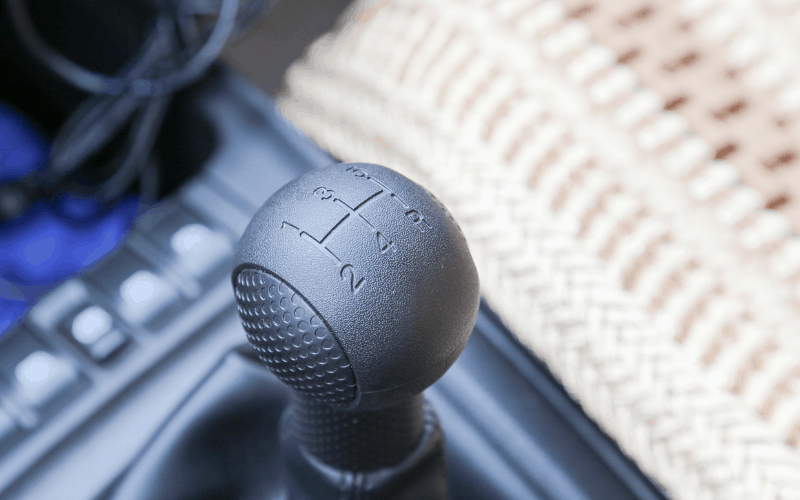
The dreaded sensation: you press the accelerator, the engine revs, but forward motion is hesitant, jerky, or simply insufficient. Your transmission is likely slipping. This isn't merely an inconvenience; it's a symptom of underlying wear or damage that, if ignored, can lead to a complete and costly transmission failure. But what *is* slipping, and what can you do about it? Let's delve into the mechanics and potential remedies.
Understanding Transmission Slip: The Basics
At its core, a transmission's job is to transfer power from the engine to the wheels, managing torque and speed through a series of gears. Automatic transmissions accomplish this using a complex system of clutches and bands, all orchestrated by hydraulic pressure and a valve body. Slipping occurs when these clutches or bands fail to fully engage or hold their grip on the rotating components within the transmission. Think of it like trying to climb a rope with greasy hands - you might grab on, but you're constantly sliding back down.
In a manual transmission, slippage typically manifests as the clutch disc failing to fully engage with the flywheel, leading to a similar loss of power transfer. While the underlying mechanics are different, the end result – a disconnect between engine speed and vehicle speed – is the same.
Common Symptoms of Transmission Slip
Recognizing the early warning signs is crucial for preventing extensive damage. Here's what to watch out for:
- High RPMs with Slow Acceleration: This is the classic symptom. The engine revs significantly higher than usual for the speed you're achieving.
- Delayed Engagement: When shifting into Drive or Reverse, there's a noticeable delay before the transmission engages and the vehicle moves.
- Shifting Problems: Jerky or harsh shifts, failure to shift into certain gears, or "hunting" between gears.
- Burning Smell: This often indicates overheated transmission fluid, a byproduct of excessive friction caused by slipping clutches.
- Unusual Noises: Whining, clunking, or grinding sounds coming from the transmission.
- Check Engine Light: While not always specific to transmission issues, a Check Engine Light could indicate a problem detected by the vehicle's computer. Scan the code for clues. Common codes related to slippage include those referencing incorrect gear ratios or solenoid malfunctions.
The Culprits: Why Transmissions Slip
Several factors can contribute to transmission slippage, ranging from simple maintenance neglect to severe internal damage.
Low or Contaminated Transmission Fluid
This is the most common cause, and often the easiest to address. Transmission fluid serves as a lubricant, coolant, and hydraulic fluid. Low fluid levels reduce hydraulic pressure, preventing the clutches from fully engaging. Contaminated fluid, often dark in color and smelling burnt, loses its lubricating properties and can damage internal components. Regular fluid changes, according to the manufacturer's recommendations, are paramount for transmission health.
To check the fluid, most automatic transmissions have a dipstick, usually marked in red or yellow and located near the engine or transmission itself. Consult your owner's manual for the exact location and procedure. Note the color and smell of the fluid. Is it dark and burnt, or clean and pinkish/reddish? Is the level at the “Full” mark? If the fluid is low, add the correct type of transmission fluid (check your owner's manual for the specification, such as Dexron VI or Mercon V). If the fluid is contaminated, a complete fluid flush and filter change is recommended.
Worn Clutches and Bands
Over time, the friction material on the clutches and bands wears down, reducing their ability to grip. This is a natural consequence of use, but aggressive driving habits can accelerate the wear. Once significant wear occurs, slippage becomes inevitable. This typically necessitates a transmission rebuild or replacement.
Valve Body Issues
The valve body is the transmission's hydraulic control center, directing fluid to the appropriate clutches and bands based on driving conditions. Solenoids within the valve body control the flow of fluid. A malfunctioning solenoid, clogged passages, or a sticking valve can disrupt the proper hydraulic pressure, leading to slippage. Diagnosis of valve body issues often requires specialized tools and expertise.
Torque Converter Problems
The torque converter acts as a fluid coupling between the engine and the transmission. It allows the engine to idle without stalling when the vehicle is stopped. A failing torque converter, particularly its stator (which multiplies torque), can cause slippage-like symptoms, especially during acceleration.
Torque converter issues are often misdiagnosed as internal transmission problems.
Manual Transmission Clutch Wear
In manual transmissions, the clutch disc is the primary wear item. Over time, the friction material on the disc wears down, just like brake pads. When the disc becomes too thin, it can no longer effectively engage with the flywheel, leading to slippage. Other issues like a worn pressure plate or a failing clutch master/slave cylinder can also contribute to slippage.
Troubleshooting Steps and Potential Solutions
Before resorting to a costly rebuild or replacement, consider these troubleshooting steps:
- Check and Replace Transmission Fluid: As mentioned above, this is the first and easiest step. Use the correct type of fluid and ensure the level is accurate.
- Add a Transmission Additive: While not a guaranteed fix, some transmission additives claim to improve clutch grip and reduce slippage. These may provide temporary relief, but they won't address underlying mechanical problems. Use with caution and manage your expectations. Avoid additives that promise miraculous results; they often mask symptoms rather than solving the problem.
- Scan for Trouble Codes: Use an OBD-II scanner to check for any diagnostic trouble codes (DTCs) related to the transmission. These codes can provide valuable clues about the source of the problem.
- Inspect Vacuum Lines and Electrical Connections: Some transmissions rely on vacuum signals or electrical signals for proper operation. Check for damaged or disconnected vacuum lines and ensure all electrical connectors are clean and secure.
- Consider a Valve Body Service (If Applicable): Some shops offer valve body cleaning and testing services. This can address issues related to clogged passages or sticking valves. This is generally less expensive than a complete transmission rebuild.
When to Seek Professional Help
If the above steps don't resolve the slippage, it's time to consult a qualified transmission specialist. Internal transmission damage often requires specialized tools, knowledge, and experience to diagnose and repair. Attempting a DIY rebuild without the necessary expertise can lead to further damage and increased costs. Be prepared for the possibility of a transmission rebuild or replacement. A reputable shop will perform a thorough diagnostic assessment to determine the best course of action.
Remember, early detection and proactive maintenance are key to extending the life of your transmission and avoiding costly repairs. Pay attention to the warning signs, and don't ignore transmission problems in the hope they will go away. They rarely do, and the longer you wait, the more extensive (and expensive) the repairs will likely become.