
Nissan 350z Vs Nissan 370z Specs
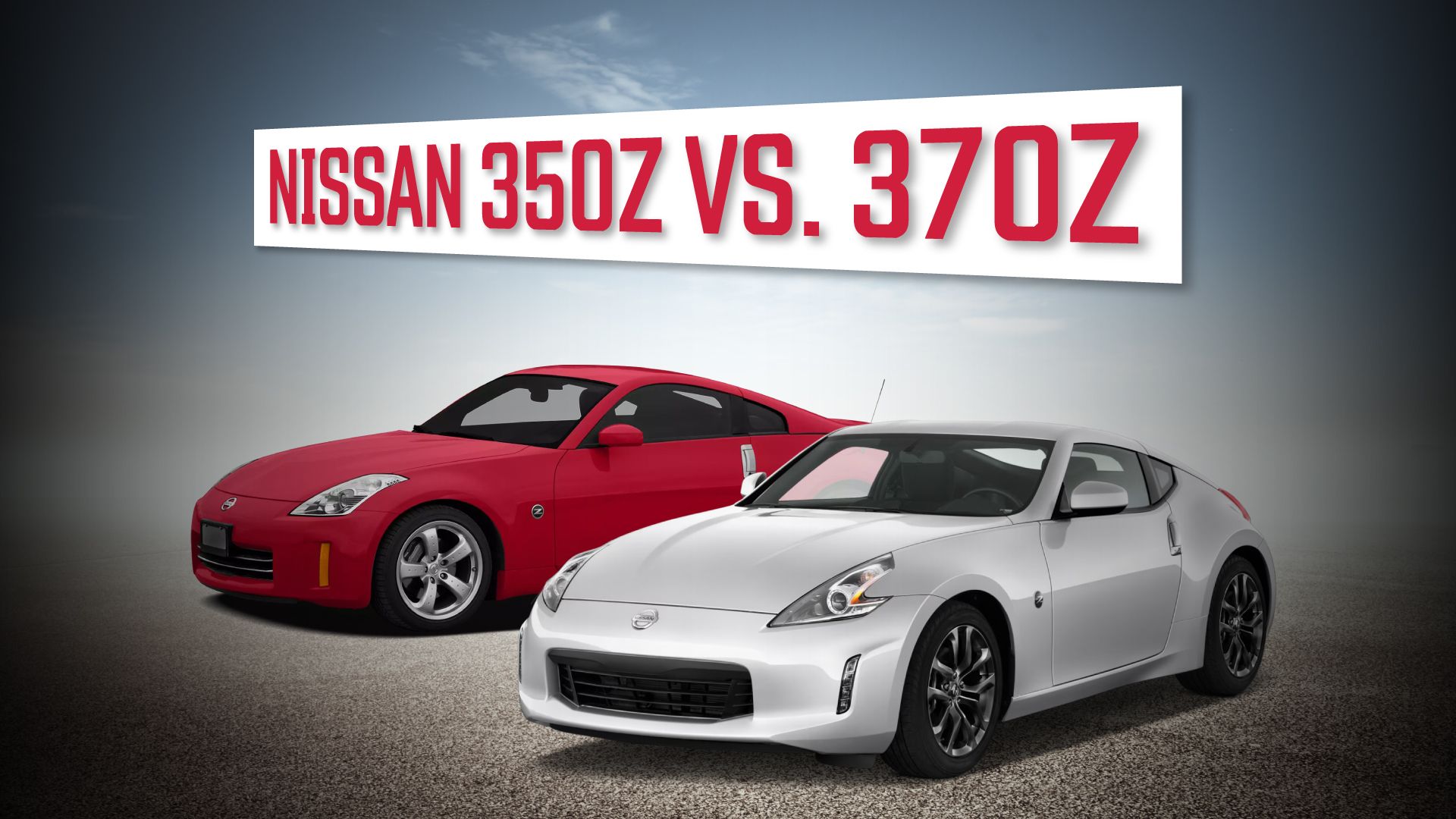
The Nissan 350Z and 370Z, both iconic sports cars in their own right, often find themselves pitted against each other in a battle of performance, style, and overall driving experience. While sharing a common ancestor and design philosophy, these Z-cars offer distinct characteristics that cater to different preferences. This article delves into the specifications of both models, offering a comprehensive comparison for enthusiasts, mechanics, and potential buyers.
A Lineage of Performance: From 350Z to 370Z
Before diving into the nitty-gritty, it's crucial to understand the context. The 350Z, produced from 2002 to 2008, marked Nissan's return to the affordable sports car market after a brief hiatus. It was a roaring success, offering rear-wheel drive, a potent V6 engine, and a relatively accessible price point. The 370Z, launched in 2009, represented an evolution of the formula, aiming for increased performance, refined handling, and a more modern design. It continued the Z-car tradition until its discontinuation in 2020, paving the way for the new Nissan Z.
Engine and Performance: Heart of the Matter
The most significant difference between the two lies under the hood. The 350Z primarily featured the VQ35DE engine, a 3.5-liter V6. Later models (2007-2008) received the updated VQ35HR, boasting improved power and a higher rev limit. The 370Z, on the other hand, is powered by the VQ37VHR, a 3.7-liter V6 with Variable Valve Event and Lift (VVEL) technology.
350Z Engine Specs:
- VQ35DE (2003-2006): 287-300 horsepower, 260-268 lb-ft of torque
- VQ35HR (2007-2008): 306 horsepower, 268 lb-ft of torque
370Z Engine Specs:
- VQ37VHR (2009-2020): 332 horsepower, 270 lb-ft of torque (350 horsepower in Nismo trim)
The 370Z clearly holds an advantage in terms of power output. The VQ37VHR's VVEL system allows for more precise control of valve timing and lift, resulting in increased power and improved throttle response. Both cars were available with either a 6-speed manual or a 5-speed automatic (350Z) or 7-speed automatic (370Z) transmission.
Performance Numbers: Expect the 350Z to achieve 0-60 mph in the mid-5 second range, while the 370Z typically clocks in around 5 seconds or slightly less. The Nismo variants of both cars offer even quicker acceleration and enhanced handling.
Chassis and Handling: A Sharper Edge
While both cars utilize a front-engine, rear-wheel-drive layout, the 370Z features a slightly shorter wheelbase and overall length compared to the 350Z. This contributes to a more nimble and responsive feel. The suspension systems were also refined in the 370Z, offering improved handling and reduced body roll.
Key Differences:
- Wheelbase: 350Z (104.3 inches), 370Z (100.4 inches)
- Overall Length: 350Z (169.4 inches), 370Z (167.5 inches)
- Suspension: Both feature independent multi-link suspension front and rear, but the 370Z's system is tuned for greater precision.
The 370Z also benefits from available features like SynchroRev Match (on manual transmission models), which automatically blips the throttle during downshifts for smoother gear changes. This feature greatly enhances the driving experience, especially on the track.
Design and Interior: Modern vs. Classic
The 350Z's design is characterized by its long hood, short deck, and distinctive Z-shaped side markers. It's a classic sports car silhouette that has aged well. The 370Z retains a similar profile but features sharper lines, a more aggressive front fascia, and boomerang-shaped headlights and taillights. The interior of the 370Z also received a significant update, with a more modern design, improved materials, and a more driver-focused cockpit.
Interior Highlights:
- The 370Z generally offers better quality materials and a more refined overall feel.
- The 350Z's interior, while functional, can feel dated compared to the 370Z.
- Both cars offer comfortable seating for two, but rear cargo space is limited.
Reliability and Maintenance: Keeping the Z Alive
Both the 350Z and 370Z are generally considered reliable vehicles, but like any car, they have their share of potential issues. The VQ engines are known for their durability, but regular maintenance is crucial.
Common 350Z Issues:
- Oil Consumption: Some VQ35DE engines can exhibit oil consumption issues, especially at higher mileage.
- Camshaft Position Sensors: These sensors can fail, leading to performance problems.
- Fuel Dampers: The fuel dampers can leak, causing fuel odors.
Common 370Z Issues:
- Clutch Slave Cylinder Failure: This is a common problem, especially on earlier models. Symptoms include difficulty shifting and a soft clutch pedal.
- CSC Noise: The Clutch Slave Cylinder might generate annoying clicking noises due to the design of the assembly
- Gallery Gasket Failure: Leaking of the gallery gasket leads to loss of oil pressure.
Maintenance Costs: Expect similar maintenance costs for both cars, with regular oil changes, brake service, and tire replacements being the most frequent expenses. However, the 370Z's more complex VQ37VHR engine may require slightly more specialized maintenance. The 370z also has a potentially fragile clutch system that might require more frequent repairs compared to the 350z.
Pro Tip: Regardless of which Z you choose, preventative maintenance is key. Regular oil changes with high-quality synthetic oil, proper cooling system maintenance, and addressing any potential issues early on can help ensure years of trouble-free driving.
Pricing and Availability: The Value Proposition
The 350Z is typically more affordable than the 370Z, especially on the used market. This makes it an attractive option for budget-conscious enthusiasts. However, finding a well-maintained 350Z can be challenging, as many examples have been heavily modified or subjected to hard use.
The 370Z, while more expensive, offers a more modern design, improved performance, and a generally more refined driving experience. It's also likely to be in better condition overall, as it's a newer vehicle. You can generally expect to pay a few thousand dollars more for a comparable 370Z compared to a 350Z.
Which Z is Right for You?
The choice between the 350Z and 370Z ultimately depends on your individual preferences and priorities. If you're looking for an affordable, classic sports car with a raw, unfiltered driving experience, the 350Z is a great choice. If you prioritize performance, modern design, and a more refined driving experience, the 370Z is the better option.
Consider these factors:
- Budget: How much are you willing to spend?
- Driving Style: Do you prefer a raw, engaging experience or a more refined, modern feel?
- Maintenance Tolerance: Are you comfortable with performing some of your own maintenance, or do you prefer a car that requires less attention?
- Modification Plans: Do you plan to heavily modify your Z, or do you prefer to keep it relatively stock?
Ultimately, the best way to decide which Z is right for you is to test drive both models and experience their unique characteristics firsthand. Do your research, inspect the cars carefully, and choose the one that best suits your needs and preferences.