
Nissan Frontier 3 Inch Lift Before And After
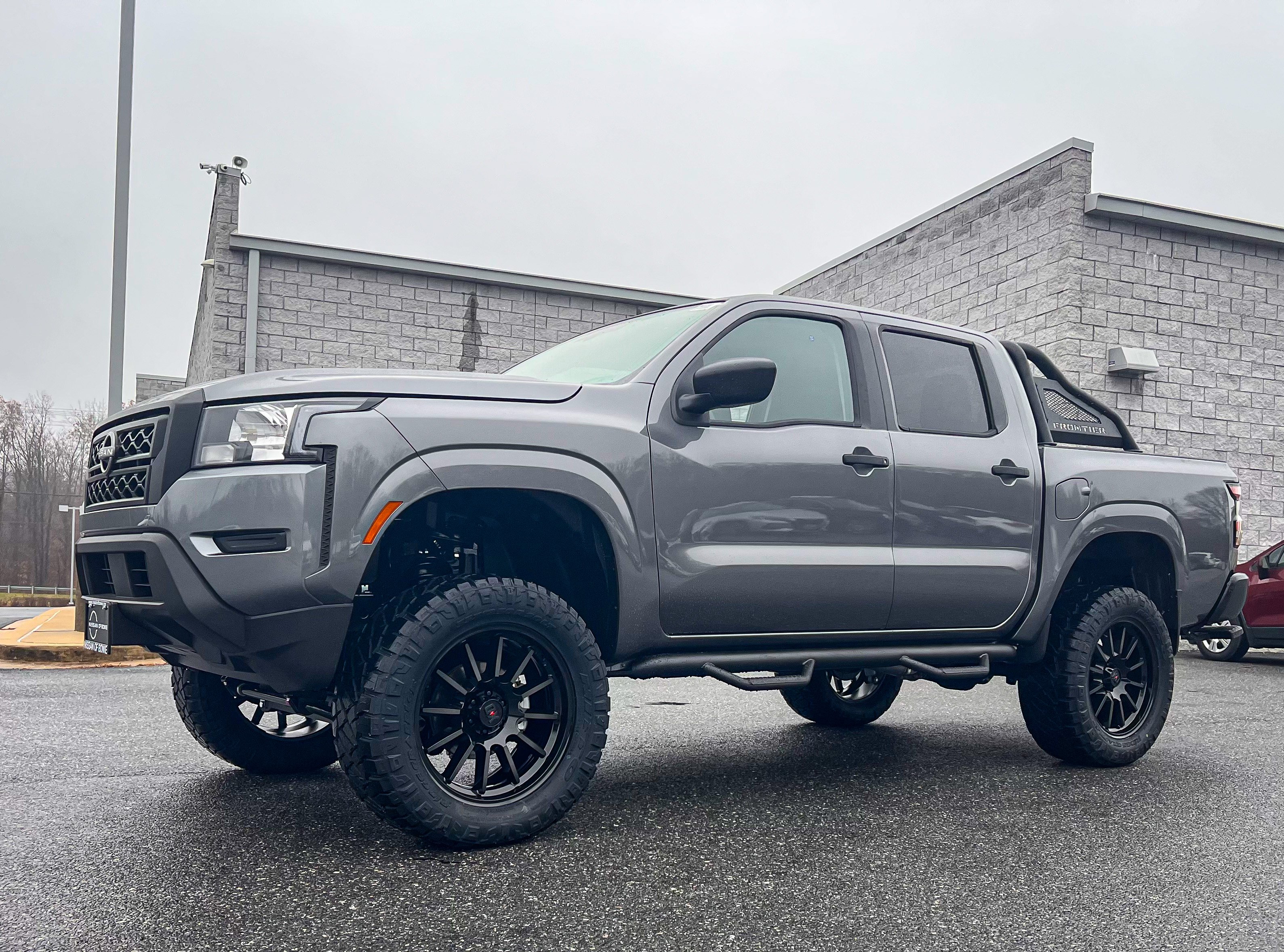
The Nissan Frontier, a popular mid-size pickup truck, is known for its reliability and off-road capability. Many owners choose to enhance its off-road prowess by installing a lift kit. A 3-inch lift is a common choice, offering a noticeable improvement in ground clearance and allowing for larger tires. However, a lift kit also introduces new maintenance considerations and potential issues. This article explores the real-world experiences, troubleshooting, and maintenance requirements associated with installing a 3-inch lift on a Nissan Frontier.
Before the Lift: Stock Frontier Considerations
Before diving into the lift installation, it's crucial to understand the baseline condition of your Frontier. A thorough inspection is vital. This includes checking:
- Suspension components: Inspect ball joints, tie rod ends, control arm bushings, and shocks for wear and tear. Replace any worn parts before installing the lift. Ignoring pre-existing issues will only exacerbate them after the lift.
- Driveline components: Examine the CV axles (if 4WD), U-joints, and differential for leaks or damage. A lift can change driveline angles, potentially accelerating wear on these components.
- Brakes: Ensure brake pads, rotors, and calipers are in good condition. Larger tires, often installed after a lift, require more braking force.
- Alignment: Get a pre-lift alignment to establish a baseline. This will help determine the extent of alignment adjustments needed after the lift.
Consider a Frontier, for example, that already has worn ball joints. Adding a 3-inch lift will increase the stress on these weakened components, leading to premature failure and potentially dangerous driving conditions.
After the Lift: Common Issues and Solutions
A 3-inch lift on a Nissan Frontier, while beneficial for off-roading, can introduce several common issues. Understanding these problems and their solutions is critical for maintaining your lifted truck.
1. Alignment Problems
Symptom: Uneven tire wear, pulling to one side, steering wheel not centered.
Cause: Lifting the vehicle alters the suspension geometry, impacting caster, camber, and toe. The factory alignment specifications are no longer applicable.
Solution: A professional alignment is essential after installing a lift kit. You may need adjustable upper control arms or camber bolts to achieve proper alignment within acceptable ranges. Many Frontiers, after a 3-inch lift, require aftermarket upper control arms to correct caster issues. Trying to force the alignment within factory specs can lead to compromised handling and accelerated tire wear.
2. CV Axle Issues (4WD Models)
Symptom: Clicking or popping noises from the front axle, especially during turns. Premature CV boot failure.
Cause: The increased angle of the CV axles after the lift places more stress on the joints and boots. This can lead to accelerated wear and eventual failure.
Solution:
- Diff drop kits: These kits lower the front differential, reducing the CV axle angles. While not a complete solution, they can significantly extend CV axle life.
- Aftermarket CV axles: Some aftermarket CV axles are designed to handle the increased angles associated with lifted vehicles. These are often more robust than the factory axles.
- Careful driving: Avoid aggressive off-roading and sharp turns in 4WD when possible.
For instance, a 2012 Nissan Frontier owner noticed clicking sounds from the front end after installing a 3-inch lift. Installing a diff drop kit reduced the CV axle angle and resolved the noise, preventing further damage.
3. Driveline Vibrations
Symptom: Vibrations felt through the steering wheel or seats, especially at higher speeds.
Cause: The lift changes the driveline angles, causing the driveshaft to operate outside of its optimal range. This can lead to vibrations and premature U-joint wear.
Solution:
- Carrier bearing drop kits: These kits lower the carrier bearing (if equipped) to reduce the driveshaft angle.
- Shimming the rear axle: Adjusting the pinion angle can help reduce vibrations.
- Replacing U-joints: If the U-joints are worn, replacing them can eliminate or reduce vibrations.
- Driveshaft spacers: Lengthening the driveshaft can sometimes help to correct driveline angles.
On a 2018 Frontier, a 3-inch lift resulted in noticeable vibrations at highway speeds. Installing a carrier bearing drop kit significantly reduced the vibrations.
4. Brake Line Issues
Symptom: Stretched or damaged brake lines. Reduced braking performance.
Cause: The increased suspension travel after the lift can stretch the factory brake lines, potentially causing them to rupture. This is especially common during off-road articulation.
Solution: Install extended brake lines designed for lifted vehicles. Stainless steel braided lines are a popular choice, offering improved durability and braking performance.
5. Steering Issues
Symptom: Stiff steering, wandering on the road, bump steer (steering wheel jerks when hitting bumps).
Cause: The altered suspension geometry can affect the steering linkage, leading to these issues.
Solution:
- Adjustable drag link or tie rod ends: These can help correct steering angles and reduce bump steer.
- Drop pitman arm: This can help maintain proper steering geometry.
- Ensure proper alignment: As mentioned earlier, a proper alignment is crucial for addressing steering issues.
6. Increased Body Roll
Symptom: More noticeable body roll during cornering.
Cause: Lifting the vehicle raises the center of gravity, making it more prone to body roll.
Solution:
- Upgrade sway bars: Stiffer sway bars can help reduce body roll.
- Adjust driving style: Be more cautious when cornering.
7. Tire Rubbing
Symptom: Tires rubbing against the fender liners, frame, or suspension components, especially during turns or when the suspension is compressed.
Cause: Larger tires, often installed after a lift, may not have sufficient clearance.
Solution:
- Trimming fender liners: Carefully trim the inner fender liners to create more clearance.
- Wheel spacers: Spacers push the wheels further out, providing more clearance. However, use spacers with caution, as they can put extra stress on wheel bearings and suspension components.
- Body mount chop (BMC): In some cases, the body mount may need to be trimmed to provide adequate clearance. This is a more involved modification and should be performed by a professional.
Maintenance After the Lift
Maintaining a lifted Nissan Frontier requires more frequent inspections and maintenance than a stock vehicle. Pay close attention to the following:
- Suspension components: Regularly inspect ball joints, tie rod ends, control arm bushings, and shocks for wear and tear. The increased stress from the lift can accelerate wear.
- CV axles (4WD models): Inspect CV boots for tears and listen for clicking noises. Replace CV axles as needed.
- U-joints: Grease U-joints regularly and inspect them for play.
- Brakes: Check brake pads, rotors, and calipers more frequently. The larger tires require more braking force.
- Alignment: Get a wheel alignment checked every 6 months or after any significant off-road excursion.
Example: A 2015 Frontier with a 3-inch lift experienced premature ball joint failure. Regular inspection would have caught the wear early, preventing further damage and ensuring safe driving.
Real-World Considerations and Driving Habits
A lifted Nissan Frontier will handle differently than a stock vehicle. Be aware of the following:
- Higher center of gravity: The lifted vehicle is more prone to body roll and less stable during cornering. Adjust your driving style accordingly.
- Reduced fuel economy: Larger tires and increased aerodynamic drag can negatively impact fuel economy.
- Increased wear and tear: The lift places more stress on various components, potentially leading to increased wear and tear.
- Off-road awareness: While a lift kit enhances off-road capability, it's important to be aware of the limitations of your vehicle and the terrain.
Keeping Your Car in Top Condition
Whether your Nissan Frontier is lifted or stock, consistent maintenance is crucial. Here's some general advice:
- Follow the manufacturer's recommended maintenance schedule: This schedule outlines the recommended intervals for oil changes, filter replacements, and other maintenance tasks.
- Use high-quality fluids and parts: Using quality components can extend the life of your vehicle and prevent problems.
- Address problems promptly: Don't ignore warning signs like unusual noises, vibrations, or leaks. Addressing problems early can prevent them from escalating into more serious and costly repairs.
- Keep your car clean: Regularly washing and waxing your car can protect the paint from the elements and prevent rust.
- Inspect your car regularly: Take a few minutes each week to inspect your tires, lights, and fluids.
- Find a reputable mechanic: Establish a relationship with a trusted mechanic who understands your vehicle and can provide reliable service.
By understanding the potential issues associated with a 3-inch lift and following a consistent maintenance schedule, you can enjoy the benefits of a lifted Nissan Frontier while minimizing problems and maximizing its lifespan. Remember, preventative maintenance is always cheaper than repairs.