
Nissan Frontier King Cab Bed Dimensions
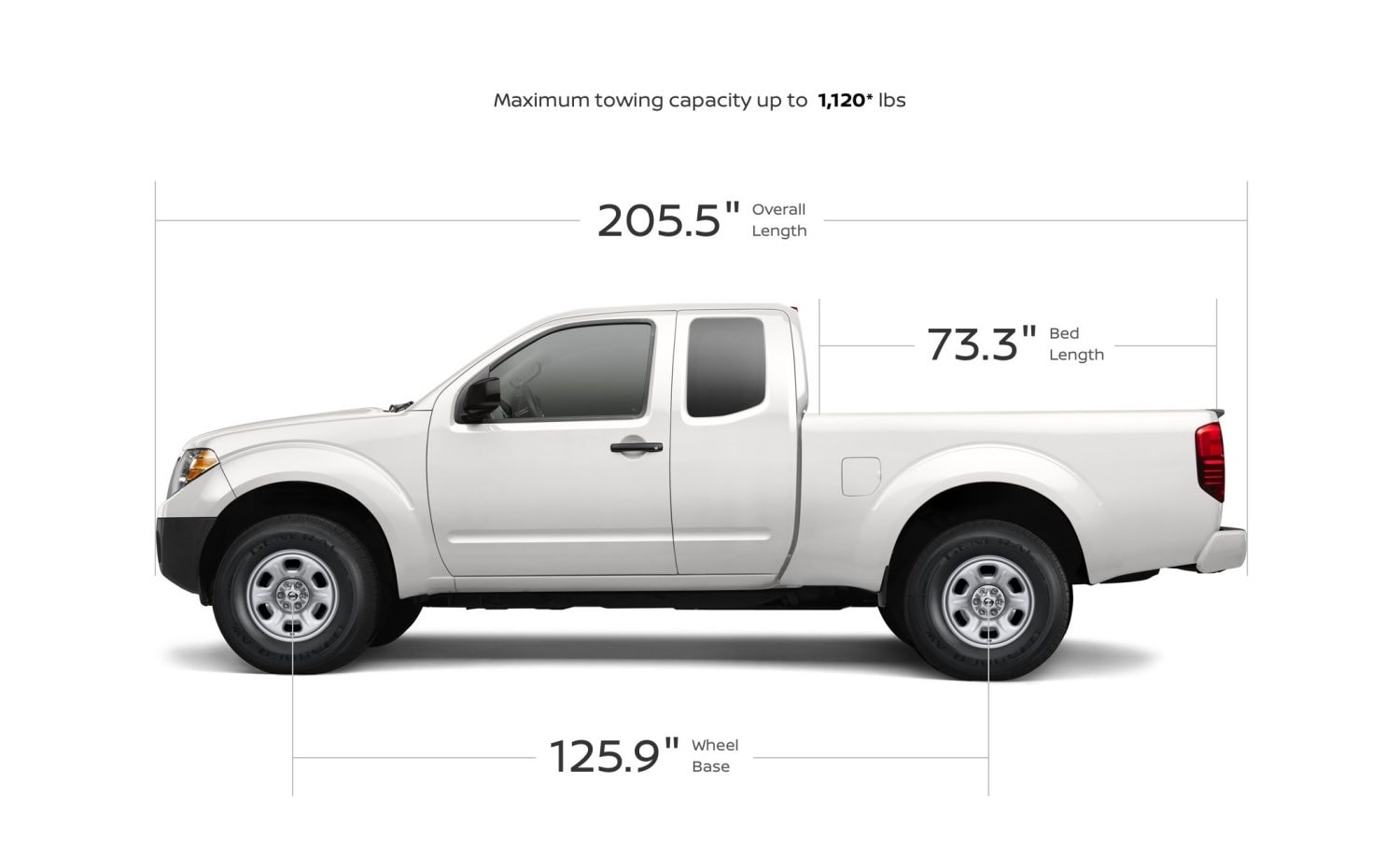
The Nissan Frontier has consistently proven itself as a dependable mid-size truck, catering to a broad range of drivers from weekend warriors to daily commuters. A key factor in its versatility is the availability of different cab and bed configurations. This article focuses specifically on the Nissan Frontier King Cab bed dimensions, providing a detailed look at what these dimensions mean for you, the owner or prospective buyer.
Understanding the King Cab Configuration
Before diving into the measurements, let's clarify what the "King Cab" designation signifies. Unlike the crew cab, which offers four full-sized doors and ample rear passenger space similar to a sedan, the King Cab (sometimes referred to as an extended cab) provides smaller, rear-hinged doors and a more compact rear seating area. This configuration prioritizes bed length while still offering some enclosed storage and occasional seating.
Think of it like this: A crew cab Frontier is similar to a Honda Ridgeline in terms of passenger space, while the King Cab is more akin to a Toyota Tacoma Access Cab. The trade-off is interior space for bed space.
The Bed: Measuring What Matters
The primary advantage of the King Cab Frontier is its longer bed compared to the crew cab variant. While exact dimensions can vary slightly depending on the model year, the standard bed length for a Nissan Frontier King Cab is approximately 73.3 inches (or 6.1 feet). This is a crucial measurement for anyone planning to haul cargo, equipment, or materials.
Here's a breakdown of what influences bed size:
- Bed Length: This is the distance from the inside front of the bed to the inside of the tailgate when closed. As mentioned, this is typically around 73.3 inches for the King Cab.
- Bed Width: The width of the bed, usually measured at its widest point between the wheel wells, determines how easily you can load wider items. This is typically around 61.4 inches for most Frontier models.
- Bed Depth (or Bed Wall Height): This is the height of the bed walls, impacting how securely you can contain loose materials or smaller objects. The Frontier usually has a bed depth of around 18-19 inches.
Comparing Bed Sizes: Context is Key
To understand the significance of the King Cab's 6.1-foot bed, let's compare it to other trucks:
- Ford Ranger (SuperCab): The Ford Ranger SuperCab, similar in concept to the Frontier King Cab, offers a 6-foot bed. Close in size, but nuances in width and depth could make a difference for specific cargo.
- Toyota Tacoma (Access Cab): The Tacoma Access Cab typically offers a 6-foot bed. Again, very similar to the Frontier King Cab.
- Nissan Frontier (Crew Cab): The Frontier Crew Cab comes with a significantly shorter bed, typically around 5 feet. This emphasizes passenger space over cargo capacity.
- Full-Size Trucks (e.g., Ford F-150, Chevrolet Silverado): Full-size trucks offer a wide array of bed lengths, from around 5.5 feet to 8 feet, depending on the cab configuration. A standard bed on a full-size truck is usually around 6.5 feet, slightly longer than the Frontier King Cab's bed.
The key takeaway is that the Frontier King Cab offers a bed size competitive with other mid-size extended cab trucks, providing a good balance between cargo capacity and maneuverability. It's a significant upgrade in bed length compared to the Crew Cab version of the Frontier itself.
Technical Considerations: More Than Just Length
While the bed length is the most frequently cited dimension, several other technical aspects influence the bed's utility:
- Payload Capacity: This refers to the maximum weight the truck can safely carry in the bed and cab combined. This is a *critical* safety rating, and exceeding it can damage your vehicle and compromise its handling. Payload capacity varies depending on the specific Frontier configuration and model year. You can find the official payload capacity for your truck on a sticker usually located on the driver's side door jamb.
- Bed Material: The Frontier typically comes with a steel bed. Consider adding a bed liner (either spray-in or drop-in) to protect the bed from scratches and dents, extending its lifespan. Some aftermarket options even add enhanced grip to prevent cargo from sliding around.
- Tie-Down Points: The location and strength of the tie-down points are essential for securing cargo. The Frontier comes with several tie-down points, but consider adding more or upgrading them for heavier loads. Look for tie-downs with a high working load limit (WLL).
- Tailgate Design: The tailgate's load capacity and ease of use are important considerations. Consider a tailgate assist system to make lowering and raising the tailgate easier, especially if you frequently haul heavy items.
- Wheel Well Placement: The location of the wheel wells significantly impacts the usable space in the bed. The Frontier's wheel wells are relatively compact, maximizing the width available for cargo.
Think of these factors like the specifications of a car engine. Knowing the horsepower is important, but understanding the torque curve, compression ratio, and fuel injection system gives you a much more complete picture of its performance.
Practical Applications: What Can You Haul?
So, what can you realistically haul in a 6.1-foot bed?
- Construction Materials: Most standard sheets of plywood (4 feet x 8 feet) will require the tailgate to be down. However, you can easily transport lumber, drywall, and other building supplies with proper securing.
- Landscaping Supplies: Mulch, soil, gravel, and other landscaping materials can be transported, but be mindful of the payload capacity. A cubic yard of wet soil can weigh upwards of 2,000 pounds!
- Recreational Equipment: ATVs, motorcycles, and other recreational vehicles can be transported, but measure carefully to ensure they fit and are properly secured. Remember to factor in the ramp for loading.
- Furniture: Smaller pieces of furniture can be transported, but larger items like couches or mattresses may require careful planning and securing.
Always prioritize safety when hauling cargo. Use appropriate tie-down straps, ensure the load is evenly distributed, and never exceed the vehicle's payload capacity. If you are unsure about the weight of your cargo, it is always best to err on the side of caution and make multiple trips.
"It's better to be safe than sorry. Overloading your truck can lead to serious accidents and costly repairs." - Common advice from experienced truck owners.
Practical Takeaways: Applying This Knowledge
Here are some practical takeaways to help you apply this knowledge about the Nissan Frontier King Cab bed dimensions:
- Measure Your Cargo: Before attempting to haul anything, measure the dimensions of your cargo to ensure it will fit safely in the bed. Consider the height, width, and length of the item.
- Know Your Payload Capacity: Locate the payload capacity sticker on your vehicle and never exceed this limit. Weigh your cargo if necessary.
- Invest in Quality Tie-Downs: Use high-quality tie-down straps that are rated for the weight of your cargo. Ensure the straps are properly secured and in good condition.
- Consider a Bed Liner: Protect your bed from damage by installing a bed liner. Choose a liner that meets your specific needs and preferences.
- Think About Bed Accessories: Explore aftermarket accessories like bed extenders, toolboxes, and tonneau covers to enhance the functionality of your bed. A bed extender can be particularly useful for hauling longer items.
- Inspect Regularly: Regularly inspect your bed for any signs of damage, such as rust or cracks. Address any issues promptly to prevent further damage.
- Consult the Owner's Manual: Your owner's manual contains valuable information about your truck, including its bed dimensions and payload capacity. Refer to it for specific details about your vehicle.
By understanding the Nissan Frontier King Cab bed dimensions and related technical aspects, you can make informed decisions about what you can safely and effectively haul. This knowledge will empower you to get the most out of your truck and tackle a wide range of tasks with confidence.