
Nissan Frontier Reliability By Year
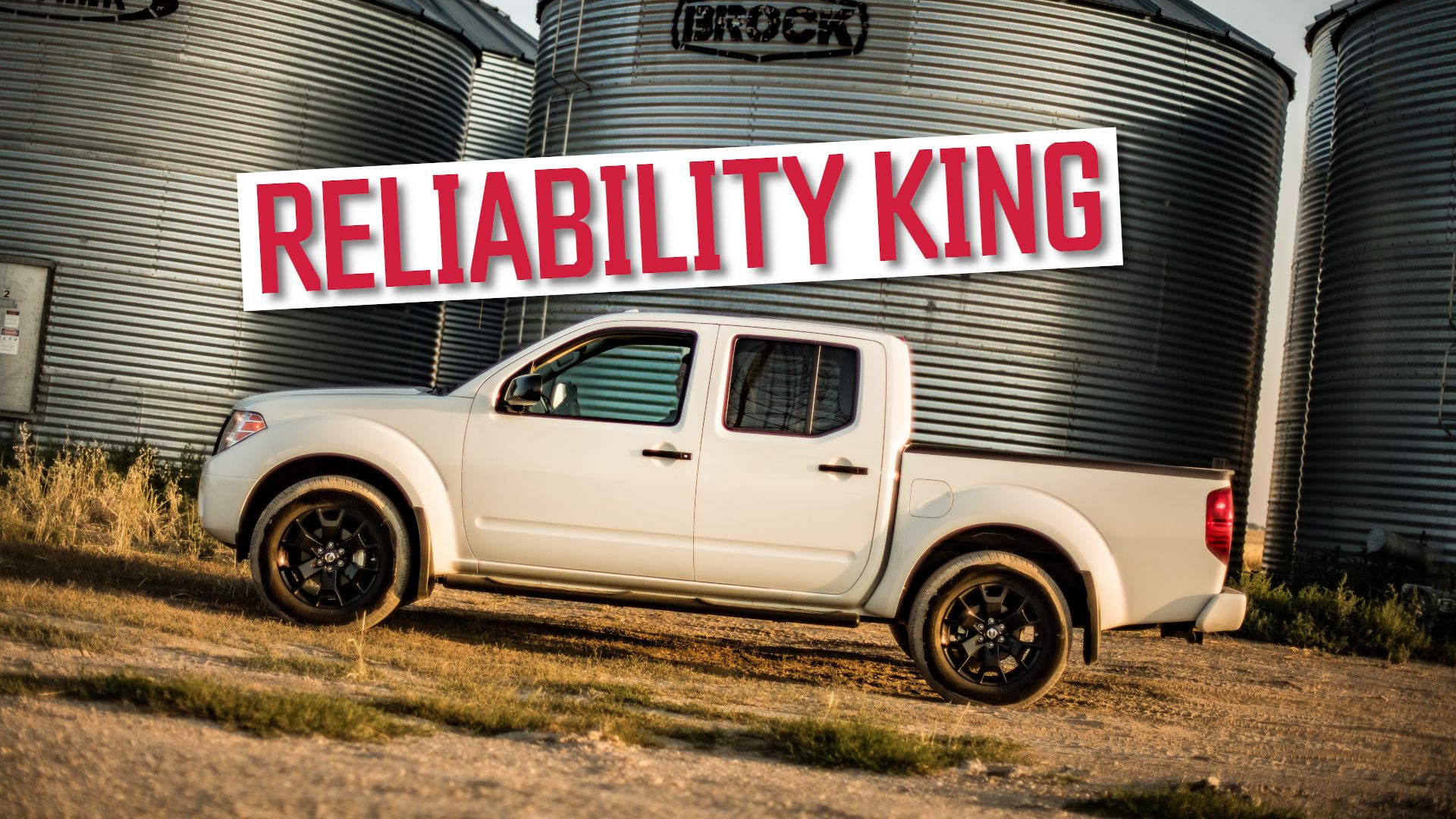
The Nissan Frontier, a stalwart of the mid-size truck market, has earned a reputation for being a dependable workhorse. However, like any vehicle, certain model years have experienced their share of issues. As a service advisor and mechanic with years of experience wrenching on Frontiers, I'm here to break down the reliability of different Frontier model years and offer practical solutions to common problems.
Early 2nd Generation (2005-2008): The Timing Chain Tensioner Gremlin
The early years of the second-generation Frontier (D40 chassis) are notorious for a potential timing chain tensioner issue, particularly in the 4.0L V6 (VQ40DE) engine. The problem stems from the tensioner guide wearing prematurely, leading to excessive timing chain slack. This can result in a rattling noise, especially on startup. Left unaddressed, it can cause serious engine damage, including bent valves.
Problem: Timing Chain Rattle and Potential Engine Damage
The telltale sign is a noticeable rattling or ticking noise coming from the front of the engine, especially when cold starting. The sound might diminish as the engine warms up, but it will likely return. In severe cases, you may experience misfires or even a check engine light.
Solution: Timing Chain Replacement
The best course of action is to replace the timing chain, tensioners, and guides. This is a relatively involved job, best left to experienced mechanics. You'll need specialized tools like a crankshaft pulley holder and timing chain alignment tools. Here's a basic overview:
- Diagnosis: Confirm the timing chain issue by listening to the engine and potentially using a mechanic's stethoscope.
- Disassembly: Remove the front engine cover, which involves draining coolant, removing belts, and disconnecting various sensors.
- Timing Chain Replacement: Carefully remove the old timing chain, tensioners, and guides. Install the new components, ensuring proper alignment using timing marks. This is critical to prevent engine damage.
- Reassembly: Reinstall the front engine cover, belts, and other components. Refill the coolant and check for leaks.
- Test: Start the engine and listen for any unusual noises. Check the timing and adjust if necessary.
Tools Needed: Socket set, wrench set, torque wrench, crankshaft pulley holder, timing chain alignment tools, mechanic's stethoscope (optional).
Approximate Repair Cost: $1,500 - $2,500 (depending on labor rates and parts quality). Consider a high-quality aftermarket kit, as some find them more robust than the OEM parts.
Preventative Measures
While you can't completely prevent wear and tear, regular oil changes with high-quality synthetic oil can help extend the life of the timing chain components. Use the recommended oil weight specified in your owner's manual.
2005-2019: Radiator/Transmission Cooler Failure (Automatic Transmissions)
Another concern, affecting a wider range of years, is the potential for radiator failure that contaminates the transmission fluid. This primarily affects Frontiers with automatic transmissions. The internal radiator cooler can crack, allowing coolant to mix with the transmission fluid.
Problem: Coolant Mixing with Transmission Fluid
The most obvious sign is a milky pink or strawberry milkshake-like appearance to your transmission fluid. This is a major red flag. Other symptoms include transmission slipping, hard shifting, or complete transmission failure.
Solution: Radiator Replacement and Transmission Flush
If you catch this problem early, you might be able to save your transmission. The solution involves:
- Radiator Replacement: Replace the radiator with a new one. Some owners opt for an aftermarket radiator with improved cooling capacity.
- Transmission Flush: Perform a thorough transmission flush to remove all contaminated fluid. This may require multiple flushes. Use the Nissan-specified transmission fluid (Matic-S or Matic-J, depending on the year).
- Transmission Filter Replacement: Replace the transmission filter to remove any remaining debris.
In severe cases, where the transmission has been damaged, a complete transmission rebuild or replacement may be necessary.
Tools Needed: Socket set, wrench set, drain pans, transmission fluid funnel, possibly a transmission flush machine (if doing it yourself).
Approximate Repair Cost: Radiator replacement and transmission flush: $500 - $1,000. Transmission rebuild/replacement: $2,500 - $4,000+.
Preventative Measures
The best preventative measure is to install an aftermarket external transmission cooler. This bypasses the radiator's internal cooler and significantly reduces the risk of coolant contamination. Regularly inspecting your transmission fluid for any signs of contamination is also crucial.
2005-2015: Fuel Level Sensor Issues
Many Frontier owners have reported issues with the fuel level sensor, resulting in inaccurate fuel gauge readings. The gauge might show empty even when the tank is full, or vice versa.
Problem: Inaccurate Fuel Gauge Readings
This issue can be frustrating and potentially leave you stranded. The gauge may fluctuate wildly or simply be stuck at a certain reading.
Solution: Fuel Level Sensor Replacement
The fuel level sensor is typically integrated with the fuel pump and located inside the fuel tank. Replacing it involves:
- Accessing the Fuel Tank: This may involve removing the fuel tank from the vehicle (more common) or accessing it through an access panel under the rear seat (less common, depending on the year).
- Fuel Pump Assembly Removal: Carefully remove the fuel pump assembly from the tank.
- Sensor Replacement: Replace the fuel level sensor with a new one.
- Reassembly: Reinstall the fuel pump assembly and the fuel tank.
Tools Needed: Socket set, wrench set, fuel line disconnect tool, drain pan, safety glasses, gloves.
Approximate Repair Cost: $300 - $600 (depending on labor rates and parts quality).
Considerations
Working with fuel requires caution. Always disconnect the battery and work in a well-ventilated area. Avoid sparks or open flames. Consider having a professional perform this repair if you're not comfortable working with fuel systems.
2022-Present: 3rd Generation (Patience is Key)
The 3rd generation Frontier, launched in 2022, is still relatively new. While early reports are generally positive, it's too early to definitively assess long-term reliability. The new 3.8L V6 engine and 9-speed automatic transmission seem promising, but only time will tell. Watch out for any recalls or technical service bulletins (TSBs) released by Nissan.
Potential Issues
With newer vehicles, software glitches are always a possibility. Keep an eye on your infotainment system and be aware of any unusual engine or transmission behavior. Staying current with your scheduled maintenance is crucial for preserving your vehicle's warranty and preventing future headaches.
General Tips for Frontier Owners
- Regular Maintenance: Stick to the recommended maintenance schedule outlined in your owner's manual. This includes oil changes, filter replacements, and fluid flushes.
- Inspect Regularly: Periodically inspect your vehicle for any signs of leaks, damage, or unusual noises. Catching problems early can save you money and prevent more serious issues.
- Use Quality Parts: When replacing parts, opt for reputable brands or OEM components. Cheaper aftermarket parts may not last as long or perform as well.
- Stay Informed: Follow Nissan forums and online communities to stay informed about common Frontier issues and solutions.
Owning a Nissan Frontier can be a rewarding experience. By being aware of potential issues and taking proactive steps to maintain your vehicle, you can keep it running reliably for years to come. If you encounter any problems, don't hesitate to consult a qualified mechanic. Good luck and happy trucking!