
Nissan Frontier Sv Vs Pro 4x
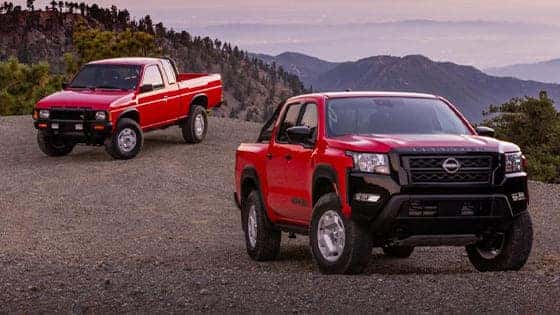
The Nissan Frontier, redesigned in 2022, represents a significant leap forward for the mid-size truck segment. However, choosing between the SV and Pro-4X trims requires a careful examination of their technical nuances, engineering choices, and real-world performance capabilities. This article provides an in-depth comparison for automotive professionals, considering reliability, maintenance, alternatives, and future trends.
Technical Specifications and Engineering Choices
Both the Frontier SV and Pro-4X share a common foundation: Nissan's 3.8-liter V6 engine, producing 310 horsepower and 281 lb-ft of torque. This engine, a marked improvement over the previous generation's 4.0-liter, features direct injection and variable valve timing (VVT) to optimize fuel efficiency and power delivery across the RPM range. The engine is mated to a 9-speed automatic transmission, also shared between the two trims. This transmission offers smooth shifts and a wide gear ratio spread, contributing to both respectable acceleration and highway fuel economy.
However, the key differentiators lie in the drivetrain and suspension. The SV is available in both 4x2 and 4x4 configurations, using a part-time 4WD system with a two-speed transfer case. The Pro-4X, on the other hand, is exclusively 4x4 and features an electronic locking rear differential, a significant advantage for off-road traction. This locking differential ensures that both rear wheels spin at the same speed, providing maximum grip on challenging terrain.
Suspension is another critical area of divergence. The SV utilizes a standard suspension setup optimized for on-road comfort and everyday usability. The Pro-4X benefits from Bilstein off-road shocks, which provide improved damping and control when traversing rough surfaces. These shocks are designed to withstand the rigors of off-road driving and offer enhanced ride quality in demanding conditions. The Pro-4X also boasts skid plates protecting the oil pan, fuel tank, and transfer case, further enhancing its off-road durability.
Tire selection further contributes to the performance differences. The SV typically comes with all-season tires, prioritizing on-road performance and fuel efficiency. The Pro-4X is equipped with all-terrain tires, offering a more aggressive tread pattern for improved grip on dirt, gravel, and mud.
Real-World Performance
On paved roads, the Frontier SV provides a comfortable and capable driving experience. The V6 engine delivers ample power for daily commuting and highway cruising. The 9-speed automatic transmission shifts smoothly and efficiently, contributing to a refined driving experience. Fuel economy is respectable for the mid-size truck segment, although it can vary depending on driving style and road conditions.
The Pro-4X, while still comfortable on the road, exhibits a firmer ride due to the Bilstein shocks and all-terrain tires. The trade-off is significantly enhanced off-road capability. The electronic locking rear differential, combined with the all-terrain tires, provides exceptional traction in challenging conditions. The skid plates offer added protection against rocks and other obstacles, allowing drivers to confidently tackle demanding trails. The Pro-4X also benefits from hill descent control, which automatically regulates the vehicle's speed on steep descents, further enhancing off-road control.
Towing and Payload
Both the SV and Pro-4X share similar towing and payload capacities. The maximum towing capacity is around 6,720 pounds, while the payload capacity varies depending on the specific configuration but generally hovers around 1,400 pounds. It's crucial to consult the vehicle's owner's manual and door sticker for precise figures, as these can vary based on options and accessories.
Comparison with Alternatives
The mid-size truck segment is highly competitive, with strong contenders such as the Toyota Tacoma, Chevrolet Colorado/GMC Canyon, and Ford Ranger. The Toyota Tacoma is known for its reliability and off-road prowess, but its engine and transmission are generally considered less refined than the Frontier's. The Chevrolet Colorado/GMC Canyon offer a variety of engine options, including a diesel, but their interior design and overall driving experience are often criticized. The Ford Ranger provides a comfortable ride and advanced technology features, but its four-cylinder engine can feel strained when towing or hauling heavy loads.
The Frontier, with its powerful V6 engine and modern design, offers a compelling alternative. The SV provides a well-rounded package for everyday use, while the Pro-4X delivers exceptional off-road capability at a competitive price point.
Pros and Cons
Frontier SV
Pros:
- More affordable than the Pro-4X
- Available in 4x2 and 4x4 configurations
- More comfortable ride on paved roads
- Suitable for daily commuting and light-duty tasks
Cons:
- Less capable off-road than the Pro-4X
- Lacks the Pro-4X's off-road features (locking differential, skid plates, Bilstein shocks)
Frontier Pro-4X
Pros:
- Exceptional off-road capability
- Electronic locking rear differential for maximum traction
- Bilstein off-road shocks for improved ride quality on rough surfaces
- Skid plates for added protection
Cons:
- More expensive than the SV
- Only available in 4x4 configuration
- Firmer ride on paved roads
Reliability Aspects and Maintenance Tips
The Nissan Frontier has a generally good reputation for reliability, particularly with the updated 3.8-liter V6 engine. However, like all vehicles, regular maintenance is crucial to ensure long-term reliability. Key maintenance items include:
- Regular oil changes (every 5,000-7,500 miles, depending on driving conditions)
- Transmission fluid changes (every 30,000-60,000 miles)
- Coolant flushes (every 30,000-60,000 miles)
- Brake inspections and replacements as needed
- Tire rotations and replacements as needed
- Inspection of suspension components (especially on the Pro-4X due to its off-road usage)
For the Pro-4X, it's particularly important to inspect the skid plates for damage after off-road excursions. Also, regularly check the condition of the all-terrain tires, as they may wear more quickly than all-season tires if used primarily on paved roads.
Future Trends
The automotive industry is undergoing rapid transformation, with electrification and autonomous driving technologies poised to reshape the future of transportation. While the current Frontier models rely on traditional gasoline engines, future iterations are likely to incorporate hybrid or electric powertrains to meet increasingly stringent emissions regulations. Advanced driver-assistance systems (ADAS) will also become more prevalent, enhancing safety and convenience. Over-the-air software updates are also likely, which could improve performance, add new features, and address potential issues.
The mid-size truck segment will also see increasing competition from electric trucks, such as the Rivian R1T and Ford F-150 Lightning. These electric trucks offer impressive performance, zero emissions, and advanced technology features, potentially attracting customers away from traditional gasoline-powered models. Nissan will need to adapt and innovate to remain competitive in this evolving landscape.
Conclusion
Choosing between the Nissan Frontier SV and Pro-4X depends on individual needs and priorities. The SV offers a well-rounded package for everyday use, while the Pro-4X delivers exceptional off-road capability. Automotive professionals should carefully consider the technical specifications, engineering choices, and real-world performance of each trim when advising customers. Understanding the reliability aspects, maintenance tips, and future trends is also crucial for providing informed recommendations. As the automotive industry continues to evolve, Nissan will need to embrace electrification and advanced technologies to maintain its position in the competitive mid-size truck segment, hopefully without compromising the proven reliability and value it has delivered to its loyal customers for years.