
Nissan Idle Air Control Valve Location
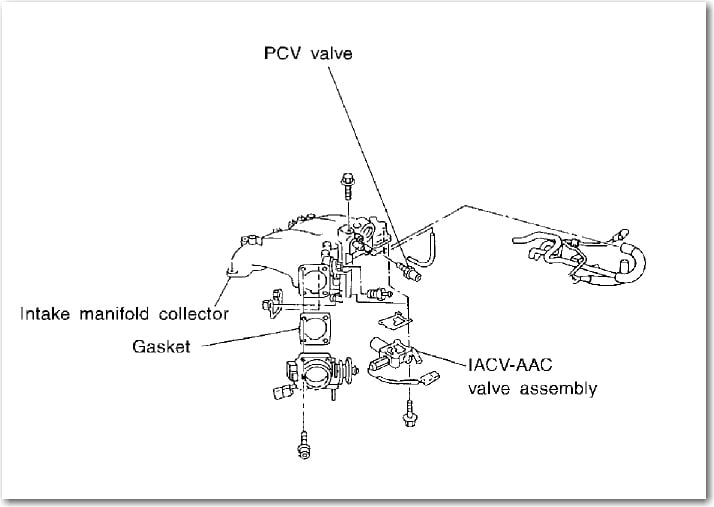
The Idle Air Control (IAC) valve is a crucial component in maintaining smooth engine operation, particularly at idle. It regulates the amount of air bypassing the throttle plate when the engine is idling, ensuring the engine doesn't stall or run erratically. For Nissan owners and mechanics, understanding the IAC valve's location, common issues, troubleshooting steps, and maintenance practices is essential for keeping these vehicles running reliably. This article will provide a practical guide to navigating the world of Nissan IAC valves.
Locating the IAC Valve in Nissan Vehicles
The location of the IAC valve can vary slightly depending on the specific Nissan model and engine. However, it's generally found mounted on or near the throttle body. Here's a breakdown for some popular models:
- Nissan Sentra (B15, B16, B17 chassis): Typically located on the side or bottom of the throttle body. Look for a small electric motor with a wiring harness connected to it.
- Nissan Altima (L31, L32, L33 chassis): Similar to the Sentra, it's usually attached to the throttle body, often on the underside. Access may require removing the air intake duct.
- Nissan Maxima (A33, A34, A35 chassis): The IAC valve is frequently found mounted on the side of the throttle body, sometimes partially obscured by other engine components.
- Nissan Pathfinder (R50, R51 chassis): Often located on the throttle body, but the exact position can vary with engine size (V6 vs. V8). Refer to a specific repair manual for accurate identification.
- Nissan Titan (A60, A61 chassis): Again, on the throttle body. Given the larger engine bay, access is generally easier than smaller models.
Important Note: Always consult the specific repair manual for your Nissan model. Engine configurations and accessory placement can differ, affecting the IAC valve's exact location. Diagrams in the manual will provide a clear visual reference.
Common Symptoms of a Faulty IAC Valve
Recognizing the symptoms of a failing IAC valve is the first step in diagnosing the problem. Here are some telltale signs:
- Rough or Unstable Idle: The engine idles too low (stalling) or too high (surging). This is the most common symptom.
- Stalling at Idle: The engine stalls when coming to a stop or when the A/C compressor kicks on, placing an additional load on the engine.
- High Idle Speed: The engine idles at a significantly higher RPM than normal, even after the engine has warmed up.
- Hesitation or Stumbling During Acceleration: The engine may hesitate or stumble when accelerating from a stop, particularly when cold.
- Check Engine Light (CEL): A faulty IAC valve can trigger the CEL, often accompanied by diagnostic trouble codes (DTCs) related to idle speed control. Common codes include P0505 (Idle Control System Malfunction), P0506 (Idle Air Control System RPM Lower Than Expected), and P0507 (Idle Air Control System RPM Higher Than Expected).
Troubleshooting the IAC Valve: A Step-by-Step Guide
Before replacing the IAC valve, it's crucial to troubleshoot the system to pinpoint the root cause of the problem. Here's a practical troubleshooting guide:
- Visual Inspection: Carefully inspect the IAC valve and its wiring harness for any signs of damage, such as frayed wires, loose connectors, or corrosion. Look for vacuum leaks around the throttle body and IAC valve mounting surfaces.
- Scan for Diagnostic Trouble Codes (DTCs): Use an OBD-II scanner to retrieve any stored DTCs. These codes provide valuable clues about the nature of the problem. Write down all codes before clearing them.
- Check the IAC Valve's Electrical Connections: Use a multimeter to check for voltage at the IAC valve connector with the ignition on. Refer to the vehicle's wiring diagram for the correct voltage readings. A lack of voltage could indicate a wiring issue or a faulty fuse.
- Test the IAC Valve's Resistance: Disconnect the IAC valve connector and use a multimeter to measure the resistance between the valve's terminals. Compare the readings to the manufacturer's specifications. An out-of-range resistance reading suggests a faulty IAC valve.
- Inspect and Clean the Throttle Body: A dirty throttle body can restrict airflow and affect the IAC valve's performance. Use throttle body cleaner to remove carbon buildup and deposits from the throttle plate and bore. Pay particular attention to the IAC valve air passage.
- Check for Vacuum Leaks: Vacuum leaks can disrupt the engine's air-fuel mixture and cause idle problems. Use a vacuum gauge or propane torch (with extreme caution) to identify vacuum leaks around the intake manifold, vacuum hoses, and throttle body.
- IAC Valve Actuation Test (if supported by your scanner): Some advanced scan tools allow you to actuate the IAC valve and observe its response. This can help determine if the valve is moving freely and functioning correctly.
Common Causes and Solutions: Real-World Examples
Here are some specific scenarios and solutions based on common Nissan problems:
- Problem: Nissan Sentra (B15) with a P0505 code and rough idle.
Cause: Often, the IAC valve itself becomes clogged with carbon deposits, preventing it from moving freely. Sometimes, the wiring harness connector is corroded.
Solution: Remove the IAC valve and thoroughly clean it with carburetor cleaner. Inspect and clean the wiring harness connector with electrical contact cleaner. If cleaning doesn't resolve the issue, replace the IAC valve. Consider replacing the gasket when reinstalling.
- Problem: Nissan Altima (L32) stalling at idle, especially with the A/C on.
Cause: Vacuum leak in a vacuum hose connected to the intake manifold or a cracked intake boot.
Solution: Carefully inspect all vacuum hoses for cracks or leaks. Use a vacuum gauge to confirm the presence of a vacuum leak. Replace any damaged hoses. Reseat the intake boot and tighten the clamp.
- Problem: Nissan Maxima (A33) with high idle speed and P0507 code.
Cause: A malfunctioning throttle position sensor (TPS) can sometimes mimic IAC valve problems. Alternatively, the IAC valve may be stuck open.
Solution: Check the TPS voltage with a multimeter. The voltage should be within the manufacturer's specified range. If the TPS is faulty, replace it. If the TPS is good, remove and inspect the IAC valve for proper operation. Try cleaning the IAC valve. If the high idle persists, the IAC valve might be defective and need replacement.
- Problem: Nissan Pathfinder (R51) exhibiting intermittent rough idle and no DTCs.
Cause: A slightly dirty throttle body causing inconsistent airflow.
Solution: Remove the air intake duct and thoroughly clean the throttle body with throttle body cleaner. This simple cleaning can often resolve intermittent idle issues.
Replacing the IAC Valve
If troubleshooting indicates a faulty IAC valve, replacement is often the best course of action. Here's a general guide:
- Disconnect the Negative Battery Cable: This is crucial for safety and to prevent electrical damage.
- Locate the IAC Valve: Refer to the model-specific information provided earlier.
- Disconnect the Wiring Harness: Carefully disconnect the wiring harness connector from the IAC valve.
- Remove the IAC Valve: Remove the bolts or screws securing the IAC valve to the throttle body. Be careful not to drop any hardware.
- Install the New IAC Valve: Install the new IAC valve in the reverse order of removal. Use a new gasket or O-ring if provided.
- Reconnect the Wiring Harness: Securely reconnect the wiring harness connector to the IAC valve.
- Reconnect the Negative Battery Cable: Reconnect the negative battery cable.
- Idle Relearn Procedure (Important!): After replacing the IAC valve, you may need to perform an idle relearn procedure. This allows the engine control unit (ECU) to learn the new IAC valve's characteristics and adjust the idle speed accordingly. The specific procedure varies depending on the model, but it typically involves starting the engine and letting it idle for a specific period, or using a scan tool to initiate the relearn process. Consult your vehicle's repair manual for the correct procedure. Failure to perform the relearn can result in continued idle problems.
Preventative Maintenance for Optimal Performance
Proactive maintenance is key to preventing IAC valve problems and ensuring your Nissan runs smoothly. Consider these tips:
- Regular Throttle Body Cleaning: Clean the throttle body every 30,000 miles or as recommended by the manufacturer. This helps prevent carbon buildup and ensures proper airflow.
- Air Filter Replacement: Replace the air filter regularly to prevent dirt and debris from entering the engine and affecting the IAC valve.
- Address Vacuum Leaks Promptly: Inspect vacuum hoses periodically for cracks or leaks and replace them as needed.
- Use Quality Fuel: Using high-quality fuel can help reduce carbon buildup in the engine and improve overall performance.
- Scheduled Maintenance: Follow the manufacturer's recommended maintenance schedule for your Nissan model.
By understanding the location of the IAC valve, recognizing the symptoms of a failing valve, and following a thorough troubleshooting process, you can effectively diagnose and repair idle control issues in your Nissan. Remember that preventative maintenance and adherence to the manufacturer's recommendations are crucial for keeping your Nissan running in top condition for years to come. When in doubt, consult a qualified mechanic for assistance. This will save you time and ensure the repair is completed correctly.