
Nissan Kicks 2024 Dashboard Lights
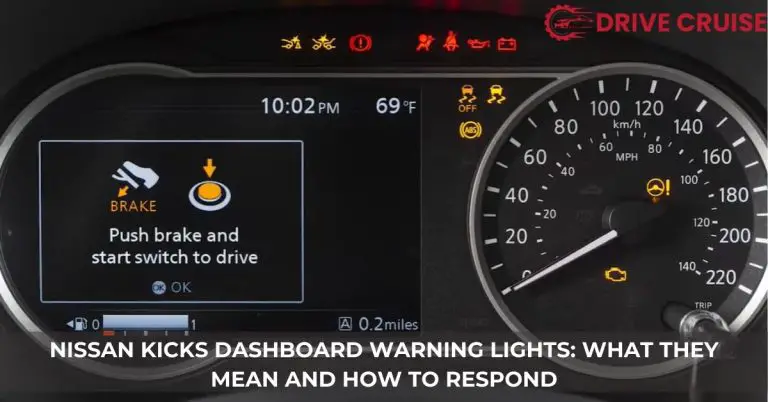
The 2024 Nissan Kicks, like all modern vehicles, relies heavily on its dashboard warning lights to communicate potential issues to the driver. Understanding these lights is crucial for preventative maintenance and avoiding potentially costly repairs. This article provides an in-depth look at the dashboard lights you might encounter in your 2024 Kicks, helping you diagnose problems and make informed decisions about servicing your vehicle.
Understanding Dashboard Light Categories
Dashboard lights aren't all created equal. They generally fall into three categories, differentiated by color and urgency:
- Green/Blue: These lights are typically informational. They indicate that a system is active and functioning as intended. For example, the headlights being on or the cruise control system engaged. These aren't typically causes for concern.
- Yellow/Amber: These lights indicate a potential issue or a system malfunction that requires attention. They don't necessarily mean immediate danger, but ignoring them could lead to more significant problems down the road. Think of them as warnings, not emergency signals.
- Red: Red lights signal a serious problem that needs immediate attention. Continuing to drive with a red warning light illuminated could result in damage to your vehicle or pose a safety risk. Stop driving as soon as it is safe to do so and investigate the issue.
Common 2024 Nissan Kicks Dashboard Lights: A Detailed Breakdown
Engine-Related Lights
The engine is the heart of your Kicks, and several lights pertain to its health and operation.
Check Engine Light (CEL)
The dreaded Check Engine Light (often depicted as an engine outline) is arguably the most ambiguous. It can indicate a wide range of problems, from a loose gas cap to a failing catalytic converter. Technically, it's triggered when the car's On-Board Diagnostic (OBD) system detects a fault code. The OBD system monitors various engine parameters and sensors, and if a reading falls outside the acceptable range, a code is stored and the CEL is illuminated.
Troubleshooting: You can use an OBDII scanner (available at most auto parts stores) to read the fault code and get a better understanding of the problem. Common causes include:
- Loose or missing gas cap: This is the easiest to fix!
- Faulty oxygen sensor: These sensors monitor the oxygen content in the exhaust and are crucial for proper fuel mixture.
- Catalytic converter issue: The catalytic converter reduces harmful emissions, and its failure can be costly.
- Spark plug or ignition coil problems: These components are essential for proper combustion.
- Mass Airflow (MAF) sensor failure: The MAF sensor measures the amount of air entering the engine.
Note: Even if the CEL disappears after tightening the gas cap, the fault code remains stored in the OBD system. You can clear the code with an OBDII scanner, but if the problem persists, the CEL will return.
Oil Pressure Warning Light
This light, usually shaped like an oil can, indicates critically low oil pressure. This is a serious issue! Low oil pressure means the engine isn't receiving adequate lubrication, which can lead to rapid wear and catastrophic engine damage.
Troubleshooting: Immediately stop the vehicle in a safe location. Check the oil level using the dipstick. If the oil level is low, add oil. If the light remains on after adding oil, or if the oil level is adequate, there could be a problem with the oil pump or another internal engine issue. In this case, it's best to have the vehicle towed to a mechanic.
Coolant Temperature Warning Light
Often depicted as a thermometer submerged in water, this light indicates that the engine is overheating. Overheating can cause severe engine damage, including warped cylinder heads and blown head gaskets.
Troubleshooting: Stop the vehicle in a safe location and allow the engine to cool down. Check the coolant level in the reservoir. If it's low, add coolant. Also, check for leaks around the radiator, hoses, and water pump. If the coolant level is adequate and there are no visible leaks, the problem could be a faulty thermostat, a malfunctioning radiator fan, or a clogged radiator.
Braking System Lights
Brake Warning Light
This light, usually the word "BRAKE" or an exclamation point inside a circle, can indicate several issues related to the braking system. The most common causes are:
- Low brake fluid: Check the brake fluid reservoir. If it's low, add brake fluid. Be sure to investigate the cause of the fluid loss, as it could indicate a leak in the brake lines or a worn brake pad.
- Parking brake engaged: Ensure the parking brake is fully released.
- Malfunction in the Anti-lock Braking System (ABS): If the ABS light is also illuminated, there's likely a problem with the ABS system (see below).
ABS Warning Light
The ABS light indicates a malfunction in the Anti-lock Braking System. While you can still brake normally, the ABS system won't function in an emergency situation, meaning the wheels could lock up under hard braking.
Troubleshooting: This usually requires professional diagnosis. The ABS system relies on sensors at each wheel to detect wheel lockup. Common causes include faulty wheel speed sensors, a malfunctioning ABS control module, or issues with the hydraulic system.
Safety System Lights
Airbag Warning Light
This light, often depicting a seated person with a deployed airbag, indicates a problem with the airbag system. This is a serious safety issue, as the airbags may not deploy in an accident, or they could deploy unexpectedly.
Troubleshooting: This requires professional diagnosis and repair. The airbag system is complex and sensitive, and attempting to repair it yourself could be dangerous.
Traction Control System (TCS) / Electronic Stability Control (ESC) Light
This light, often depicting a car skidding or the letters "TCS" or "ESC," indicates that the Traction Control System or Electronic Stability Control system is either active or malfunctioning. If the light flashes, it means the system is actively working to prevent wheel spin or loss of control. If the light is on solid, it indicates a malfunction in the system.
Troubleshooting: If the light is on solid, it could be a sensor problem, a problem with the ABS system (as TCS/ESC often uses ABS components), or a fault in the control module. A scan tool can help diagnose the specific issue.
Other Important Lights
Tire Pressure Monitoring System (TPMS) Light
This light, usually depicting a horseshoe-shaped symbol with an exclamation point, indicates that one or more of your tires has low pressure.
Troubleshooting: Check the tire pressure in all tires, including the spare. Inflate the tires to the recommended pressure (found on the sticker inside the driver's side door jamb). The light should turn off after driving a short distance. If the light continues to illuminate, there may be a problem with one of the TPMS sensors inside the wheels.
Battery Warning Light
This light, usually depicting a battery symbol, indicates a problem with the charging system. This could be a failing alternator, a loose or corroded battery cable, or a problem with the battery itself.
Troubleshooting: Check the battery terminals for corrosion and ensure they are securely tightened. Use a multimeter to check the battery voltage. A healthy battery should read around 12.6 volts with the engine off. Start the engine and check the voltage again. It should be around 13.5-14.5 volts, indicating that the alternator is charging the battery. If the voltage is lower, the alternator may be failing.
Headlight Malfunction Light
Some Kicks models may have a specific light to indicate a headlight bulb has burned out. The symbol may look like a headlight bulb with an "X" through it.
Troubleshooting: Visually inspect all headlight bulbs and replace any that are burned out.
Using an OBDII Scanner for Diagnosis
As mentioned earlier, an OBDII scanner is an invaluable tool for diagnosing dashboard light issues, especially the Check Engine Light. These scanners plug into the OBDII port, usually located under the dashboard on the driver's side, and retrieve fault codes stored by the car's computer.
Reading and Interpreting Codes: Once connected, the scanner will display a code, often starting with a letter (P for Powertrain, B for Body, C for Chassis, U for Network). Each code corresponds to a specific issue. For example, a P0300 code indicates a random misfire. You can search online for the meaning of specific codes. Many scanners also provide a brief description of the code.
Clearing Codes: After addressing the problem, you can use the scanner to clear the fault code and turn off the dashboard light. However, if the underlying issue persists, the light will likely return.
Important: While an OBDII scanner can provide valuable information, it's not a substitute for proper diagnosis. It gives you a starting point, but further investigation may be required to pinpoint the exact cause of the problem.
When to Seek Professional Help
While some dashboard light issues are relatively easy to diagnose and fix yourself, others require professional attention. It's generally best to consult a qualified mechanic if:
- The light is red, indicating a serious problem.
- You're not comfortable working on your car.
- You've tried troubleshooting the issue yourself and haven't been able to resolve it.
- The OBDII scanner indicates a complex or unfamiliar problem.
By understanding the meaning of the dashboard lights on your 2024 Nissan Kicks, you can proactively address potential problems, keep your vehicle running smoothly, and avoid costly repairs down the road. Remember to always prioritize safety and consult a professional when needed.