
Nissan Matic-s Automatic Transmission Fluid
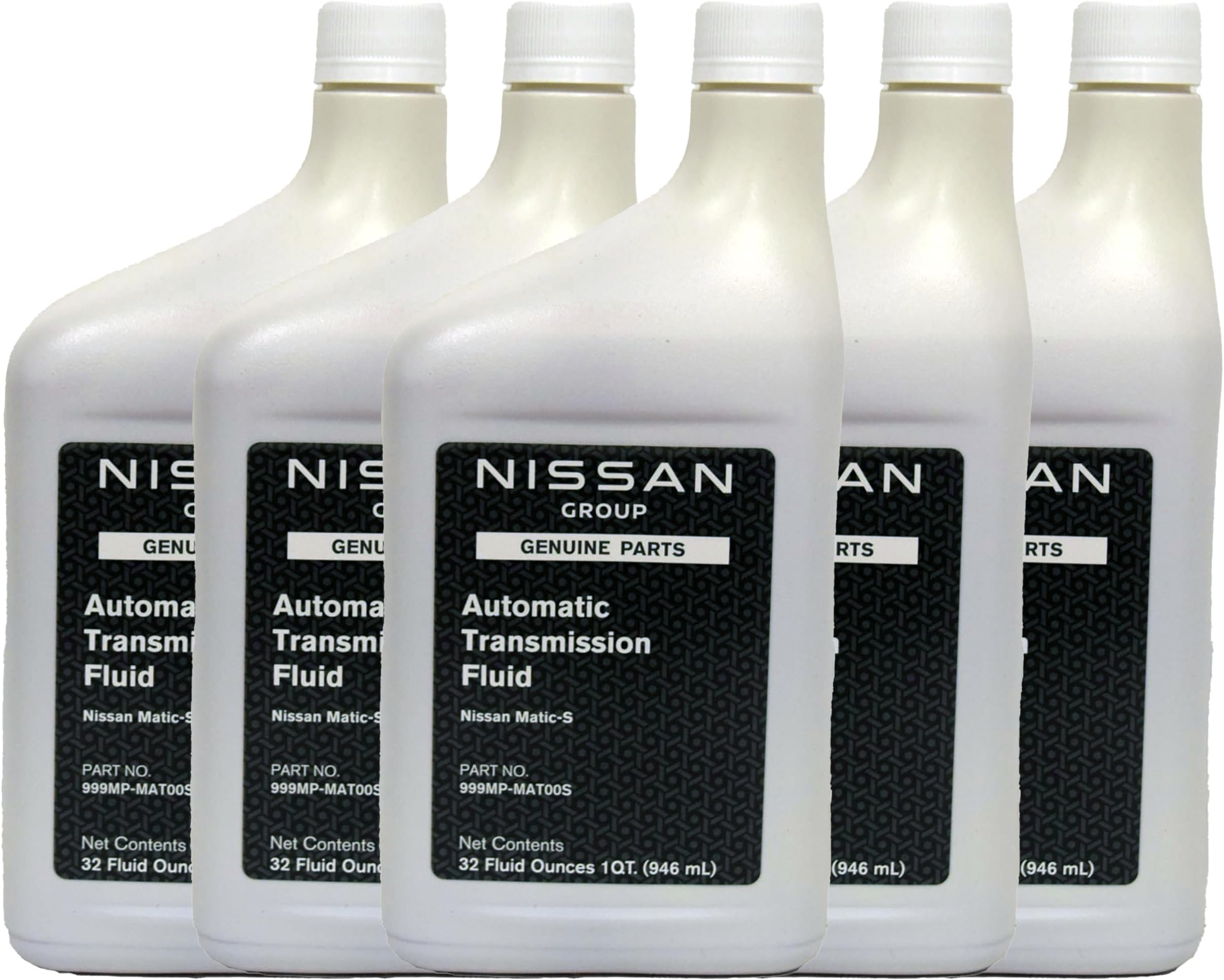
In the intricate world of automotive engineering, the unsung hero of smooth gear changes and reliable performance in many Nissan and Infiniti vehicles is often Nissan Matic-S Automatic Transmission Fluid (ATF). While it may seem like just another fluid, understanding its properties, applications, and maintenance is crucial for any car enthusiast, owner, or mechanic.
What is Nissan Matic-S ATF?
Matic-S is a specific type of automatic transmission fluid engineered by Nissan to meet the demanding requirements of their newer transmissions. It's a fully synthetic fluid, designed to offer superior performance compared to older, conventional ATFs. The key difference lies in its formulation, which includes a carefully balanced blend of base oils and additives.
This specialized formula provides several key benefits:
- Enhanced oxidation stability: Matic-S resists breakdown at high temperatures, extending its service life and preventing the formation of harmful deposits.
- Improved shear stability: It maintains its viscosity under high stress, ensuring consistent lubrication and protection for the transmission's internal components.
- Friction modification: Carefully controlled friction characteristics optimize shift quality and prevent slippage.
- Wear protection: Advanced additives protect against wear and corrosion, extending the life of the transmission.
- Seal compatibility: Matic-S is formulated to be compatible with the seals and gaskets used in Nissan and Infiniti transmissions, preventing leaks and maintaining proper fluid pressure.
Think of it this way: your transmission is a complex orchestra of gears, clutches, and valves all working in harmony. Matic-S is the conductor, ensuring everything moves smoothly and efficiently, preventing premature wear and tear.
Applications and Compatibility
Matic-S ATF is primarily intended for use in Nissan and Infiniti vehicles that specifically require this fluid type. While some older Nissan models used different fluids like Matic-D or Matic-J, Matic-S is not backward compatible with those applications. Using the wrong fluid can lead to serious transmission damage.
Common vehicles that use Matic-S include (but are not limited to):
- Nissan Altima (certain models)
- Nissan Maxima (certain models)
- Nissan Murano
- Nissan Pathfinder (certain models)
- Nissan Rogue (certain models)
- Infiniti G35/G37
- Infiniti FX35/FX45
- Infiniti QX56/QX80 (certain models)
Crucially, always consult your vehicle's owner's manual to confirm the correct ATF specification. The manual will provide the definitive answer on whether Matic-S is the right fluid for your transmission. If in doubt, consult a qualified mechanic.
Using a universal ATF that claims to meet multiple specifications is generally not recommended for vehicles that require Matic-S. While some universal fluids may offer decent performance, they often lack the specific friction modifiers and other additives required for optimal operation and longevity of Nissan transmissions.
Maintenance and Service Intervals
Regular maintenance is essential for keeping your transmission healthy and extending its lifespan. This includes periodic fluid changes. The recommended service interval for Matic-S ATF varies depending on driving conditions. For "normal" driving, Nissan typically recommends changing the fluid every 60,000 miles or 48 months, whichever comes first.
However, if your vehicle is subjected to "severe" driving conditions – such as frequent towing, stop-and-go traffic, or driving in extremely hot or cold climates – you should shorten the interval to every 30,000 miles or 24 months.
What constitutes a "severe" driving condition? Think of it this way: anything that puts extra stress on the transmission, causing it to work harder and generate more heat. Heat is the enemy of automatic transmissions, as it accelerates fluid degradation and wear.
During a fluid change, it's also a good idea to inspect the transmission pan for any signs of debris or damage. Metal shavings or excessive sludge can indicate internal wear and may warrant further investigation. Replacing the transmission filter (if equipped) is also recommended during a fluid change.
Changing Matic-S ATF: DIY vs. Professional Service
Changing automatic transmission fluid can be a relatively straightforward process for experienced DIY mechanics. However, it requires some specific tools and knowledge. The basic procedure involves:
- Raising the vehicle safely.
- Locating and removing the drain plug on the transmission pan.
- Draining the old fluid into a suitable container.
- Removing the transmission pan (if replacing the filter).
- Replacing the filter and pan gasket (if applicable).
- Reinstalling the pan and drain plug.
- Filling the transmission with the correct amount of Matic-S ATF.
- Checking the fluid level using the dipstick (if equipped) or a fill plug.
- Verifying proper operation of the transmission.
Important Considerations:
- Fluid Level: Overfilling or underfilling the transmission can cause serious problems. Always follow the manufacturer's recommendations for fluid level.
- Torque Specifications: Properly torque all bolts and plugs to avoid leaks.
- Fluid Disposal: Dispose of used ATF properly at a recycling center or auto parts store.
If you are not comfortable performing this service yourself, it's best to take your vehicle to a qualified mechanic. A professional will have the necessary tools, knowledge, and experience to ensure the job is done correctly. They can also inspect the transmission for any other potential problems.
A transmission flush, which involves circulating new fluid through the entire transmission system, is another option. However, it's a more aggressive procedure and may not be necessary for all vehicles. Consult with a mechanic to determine if a flush is appropriate for your situation.
Common Problems and Symptoms
Several issues can arise if Matic-S ATF is neglected or if the transmission is experiencing other problems. Some common symptoms include:
- Rough or jerky shifting: This can indicate worn clutches or low fluid levels.
- Slipping gears: The transmission may struggle to hold a gear, especially under heavy acceleration.
- Delayed engagement: There may be a delay between shifting into gear and the vehicle actually moving.
- Unusual noises: Whining, clunking, or buzzing sounds from the transmission can indicate internal damage.
- Transmission warning light: The "check engine" light or a dedicated transmission warning light may illuminate.
If you experience any of these symptoms, it's important to have your transmission inspected by a qualified mechanic as soon as possible. Ignoring these problems can lead to more extensive and costly repairs down the road. A simple fluid change might resolve minor issues, but more serious problems may require a transmission rebuild or replacement.
Alternatives and Aftermarket Options
While Nissan recommends using genuine Matic-S ATF, some aftermarket brands offer fluids that claim to meet or exceed the Nissan specification. These fluids are often formulated to be compatible with a wide range of vehicles, including those that require Matic-S.
Reputable brands like Mobil 1, Valvoline, and Amsoil offer synthetic ATFs that are commonly used as alternatives to Matic-S. However, it's crucial to carefully research and compare the specifications of these fluids before using them in your vehicle. Ensure that the fluid meets or exceeds the Nissan Matic-S specification and that it is compatible with your specific transmission model.
Important Note: Using an unapproved or incompatible fluid can void your vehicle's warranty and may cause irreversible damage to the transmission. Always err on the side of caution and consult with a trusted mechanic if you are unsure about which fluid to use.
Conclusion
Nissan Matic-S ATF is a critical component of your vehicle's transmission system. Understanding its purpose, applications, and maintenance requirements is essential for ensuring smooth operation, long life, and preventing costly repairs. By following the manufacturer's recommendations for fluid changes and using the correct type of fluid, you can keep your transmission performing at its best for years to come. Whether you are a seasoned mechanic or a car owner seeking to better understand your vehicle, paying attention to the details surrounding Matic-S ATF is a worthwhile investment in the overall health and longevity of your Nissan or Infiniti.