
Nissan Pathfinder Timing Chain Replacement
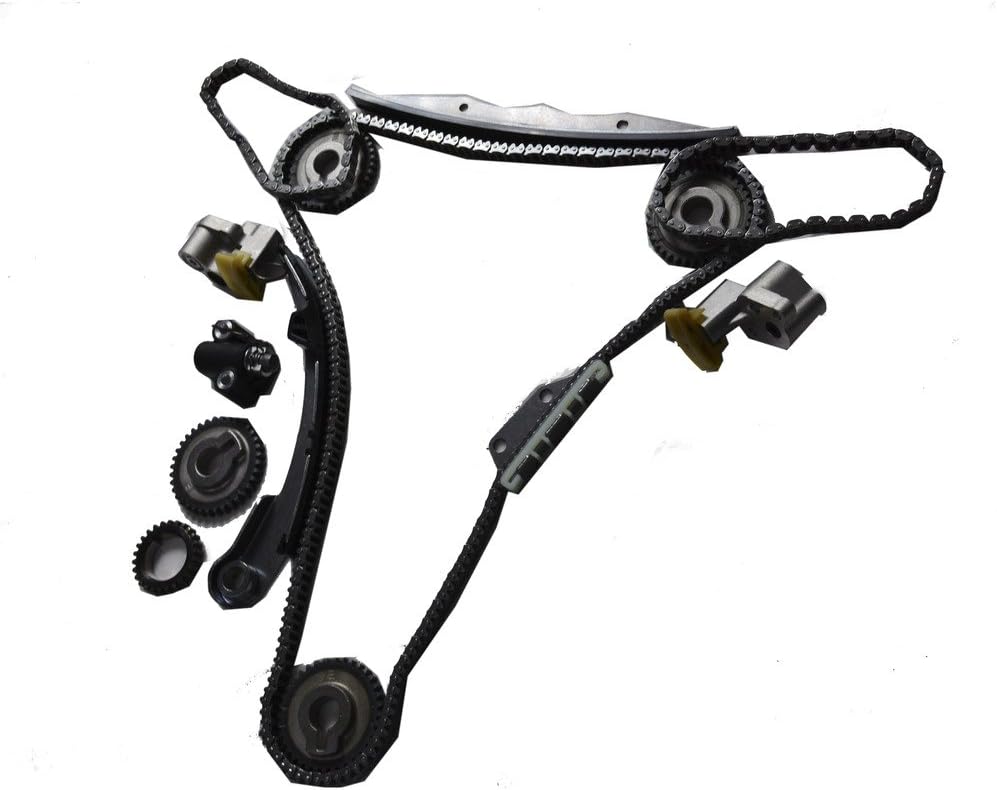
The Nissan Pathfinder, known for its reliability and ruggedness, is a popular SUV for families and off-road enthusiasts alike. However, like any vehicle, it requires regular maintenance to ensure optimal performance and longevity. One critical component that often needs attention is the timing chain. Unlike timing belts, timing chains are designed to last longer, but they aren't invincible. This article will guide car owners and mechanics through the intricacies of Nissan Pathfinder timing chain maintenance, troubleshooting, and replacement.
Understanding the Timing Chain System
The timing chain's primary function is to synchronize the crankshaft and camshaft(s). This synchronization is crucial for proper engine operation, ensuring that the valves open and close at the precise moments relative to the piston's position. A worn or damaged timing chain can lead to a variety of engine problems, ranging from poor performance to catastrophic failure.
Why Timing Chains Fail: Common Causes
While timing chains are designed to last a significant amount of time, several factors can contribute to their premature wear or failure:
- Oil Starvation: This is the most common culprit. Insufficient oil levels or dirty oil can significantly accelerate chain wear. The timing chain relies on oil for lubrication, and a lack of it leads to friction and eventual stretching or breakage. Think of it like this: imagine running any metal-on-metal system without proper lubrication - failure is inevitable.
- Poor Oil Quality: Using the wrong type of oil or failing to adhere to recommended oil change intervals can also harm the timing chain. Sludge buildup can restrict oil flow to the chain and tensioners.
- Worn Tensioners and Guides: The timing chain is kept taut by tensioners and guided by guides. Over time, these components can wear down, causing the chain to loosen and potentially jump teeth. Plastic guides are particularly prone to wear.
- High Mileage: Even with regular maintenance, the timing chain will eventually wear out due to the sheer number of engine revolutions it endures.
- Hard Driving: Aggressive driving habits, such as frequent hard accelerations and high RPMs, can put extra stress on the timing chain, accelerating wear.
Recognizing the Symptoms: Troubleshooting Timing Chain Issues
Identifying timing chain problems early can prevent more serious engine damage. Here are some common symptoms to watch out for:
- Rattling Noise: A distinct rattling noise coming from the front of the engine, especially during startup or idle, is a classic sign of a loose or worn timing chain. This noise often diminishes or disappears as the engine warms up and oil pressure increases, but it's still a warning sign.
- Check Engine Light: The check engine light might illuminate with codes related to camshaft or crankshaft correlation. These codes indicate that the timing between the crankshaft and camshaft is off. Common codes include P0011, P0012, P0016, P0017, P0018, and P0019.
- Poor Engine Performance: A stretched or jumping timing chain can negatively affect engine performance. You might experience a loss of power, hesitation during acceleration, or rough idling.
- Engine Misfires: Misfires can occur if the valves aren't opening and closing at the correct times due to timing chain issues.
- Difficulty Starting: In severe cases, a severely stretched or broken timing chain can make it difficult or impossible to start the engine.
- Metal Shavings in Oil: During an oil change, check for metal shavings in the used oil. This can indicate excessive wear on the timing chain or other engine components.
Example: Consider a 2012 Nissan Pathfinder with the 3.5L V6 engine. If the owner starts noticing a rattling noise on cold starts and the check engine light illuminates with a P0016 code (Crankshaft Position - Camshaft Position Correlation Bank 1 Sensor A), it's highly likely that the timing chain is worn or stretched. Ignoring these symptoms can eventually lead to complete engine failure.
The Repair: Timing Chain Replacement
Replacing a timing chain is a complex and labor-intensive job that typically requires specialized tools and knowledge. It's generally recommended to have it performed by a qualified mechanic. However, for experienced DIYers, here's an overview of the process:
- Diagnosis: Confirm the timing chain as the source of the problem. This may involve using a diagnostic scan tool to read trouble codes, performing a visual inspection of the timing chain components (if accessible), and conducting a compression test to assess engine health.
- Preparation: Gather all necessary parts, including the timing chain kit (which usually includes the chain, tensioners, guides, and sprockets), gaskets, seals, and any other components that might need replacement. Drain the engine oil and coolant.
- Disassembly: Remove all components necessary to access the timing chain, such as the valve covers, intake manifold, front engine cover, and potentially the water pump and oil pan. This is where a detailed repair manual is absolutely essential.
- Timing Chain Removal: Carefully remove the old timing chain, tensioners, and guides. Pay close attention to the timing marks on the crankshaft and camshaft sprockets.
- Installation: Install the new timing chain, tensioners, and guides, ensuring that the timing marks are aligned correctly. This is a critical step to prevent engine damage. Double-check the alignment before proceeding.
- Reassembly: Reinstall all components in the reverse order of disassembly. Replace any worn or damaged parts along the way.
- Final Checks: Refill the engine oil and coolant. Start the engine and listen for any unusual noises. Use a diagnostic scan tool to clear any trouble codes and monitor engine performance.
Example: On a 2005 Nissan Pathfinder with the 4.0L V6, replacing the timing chain often involves removing the front engine cover, which can be challenging due to its location and the number of bolts involved. The mechanic must be meticulous to avoid damaging the surrounding components and ensure proper sealing upon reassembly.
Real-World Issues and Solutions
Timing chain replacement can present several challenges. Here are some common issues and their solutions:
- Stuck Bolts: Engine bolts, especially those on the exhaust manifold or front cover, can become corroded and difficult to remove.
Solution: Use penetrating oil, heat (with caution), and appropriate tools (such as impact wrenches or breaker bars) to loosen stubborn bolts. Avoid stripping the bolt heads. If a bolt breaks, use a bolt extractor or drill it out.
- Timing Marks Alignment: Ensuring proper alignment of the timing marks is crucial for correct engine timing.
Solution: Consult the vehicle's service manual for the exact location of the timing marks. Double-check the alignment multiple times before reassembling the engine. Use a timing light to verify the timing after the repair.
- Incorrect Parts: Using the wrong timing chain kit or individual components can lead to problems.
Solution: Verify that the parts are compatible with the specific year, make, and model of the vehicle. Compare the old and new parts to ensure they are identical. Use a reputable parts supplier.
- Oil Leaks: Improper sealing of the front engine cover or other components can cause oil leaks.
Solution: Use new gaskets and seals. Clean the mating surfaces thoroughly before applying sealant. Torque the bolts to the specified values.
Prevention is Key: Maintaining Your Timing Chain
While timing chain replacement is sometimes unavoidable, there are several steps you can take to prolong the life of your timing chain and prevent premature failure:
- Regular Oil Changes: Adhere to the manufacturer's recommended oil change intervals. Use the correct type of oil specified for your vehicle.
- Check Oil Levels Regularly: Monitor the oil level and top it off as needed. Low oil levels can quickly damage the timing chain.
- Use High-Quality Oil Filters: A good oil filter will help remove contaminants from the oil, keeping it clean and protecting the timing chain.
- Inspect Tensioners and Guides: During routine maintenance, inspect the timing chain tensioners and guides for wear or damage. Replace them if necessary.
- Avoid Hard Driving: Minimize aggressive driving habits that put excessive stress on the engine.
- Listen to Your Engine: Pay attention to any unusual noises coming from the engine. Address any potential problems promptly.
Example: A 2015 Nissan Pathfinder owner who diligently changes their oil every 5,000 miles with a high-quality synthetic blend and regularly checks the oil level is far less likely to experience premature timing chain wear compared to an owner who neglects oil changes or frequently runs the engine with low oil.
Keeping Your Pathfinder in Top Condition
Maintaining a Nissan Pathfinder, or any vehicle for that matter, involves a holistic approach. Timing chain maintenance is just one piece of the puzzle. Regular servicing, attention to detail, and addressing problems promptly are essential for ensuring long-term reliability and performance. By following the advice in this article and consulting with a qualified mechanic, you can keep your Nissan Pathfinder running smoothly for years to come.
Remember to always consult your vehicle's repair manual for specific instructions and torque specifications. Working on your vehicle can be dangerous. Always take proper safety precautions, including wearing safety glasses and using jack stands when working under the vehicle. If you're not comfortable performing the repair yourself, seek the assistance of a qualified mechanic.