
Nissan Rogue Fuel Filter Location
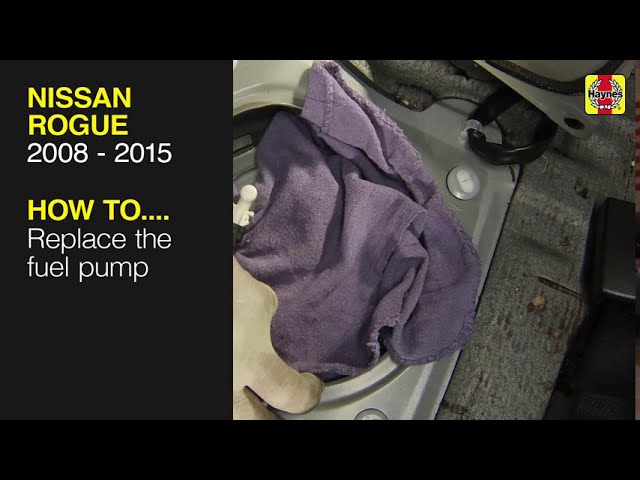
The Nissan Rogue, a popular compact SUV, has undergone several iterations since its introduction in 2007. While seemingly a simple component, the fuel filter plays a crucial role in maintaining engine health and performance. Understanding its location, function, and maintenance is essential for any Rogue owner or automotive professional.
Fuel Filter Fundamentals: Protecting Your Rogue's Heart
Before diving into the specifics of the Nissan Rogue, let's quickly recap the purpose of a fuel filter. Its primary job is to remove contaminants like rust, dirt, and debris from the fuel before it reaches the engine's delicate fuel injectors. These contaminants can cause injector clogging, poor fuel economy, reduced engine power, and even significant engine damage. A clean fuel filter ensures optimal fuel delivery and combustion, resulting in smoother operation and longevity.
Nissan Rogue Fuel Filter Location: A Generational Shift
The location of the fuel filter in a Nissan Rogue varies significantly depending on the model year. This change is due to evolving fuel system designs and manufacturing practices. Let's break it down by generation:
First Generation (2007-2013): The In-Tank Design
In the first-generation Nissan Rogue (S35 platform), the fuel filter is located *inside the fuel tank*, as part of the fuel pump assembly. This design is known as an *in-tank fuel filter*. To access it, you'll need to gain access to the fuel tank, typically by removing the rear seat cushion and an access panel.
Important Note: This is a more involved process compared to an inline filter. It often requires specialized tools and a clean working environment to avoid contaminating the fuel system. Due to its location within the tank, it’s usually recommended to replace the entire fuel pump assembly, including the filter, when issues arise. This approach ensures a more reliable and comprehensive fix.
This design means that the fuel filter isn't a routine maintenance item like, say, an oil filter. It's generally replaced only when there are symptoms of fuel starvation, poor engine performance, or fuel pump failure. Symptoms of a clogged fuel filter in this generation may include:
- Difficulty starting the engine
- Poor acceleration
- Engine stalling
- Reduced fuel economy
Second Generation (2014-2020): Continued In-Tank Integration
The second-generation Nissan Rogue (T32 platform) continues the trend of housing the fuel filter within the fuel tank, integrated with the fuel pump module. The location and replacement procedure remain largely the same as the first generation. This means accessing the filter requires removing the rear seat cushion and accessing the fuel pump assembly. Again, replacement is usually recommended as a complete unit.
Nissan's decision to keep the filter in the tank reflects a broader industry trend towards sealed fuel systems designed for longer service intervals. However, this design also makes diagnosing fuel filter issues more challenging, as the filter is not easily accessible for inspection or replacement. Remember to always consult a repair manual specific to your vehicle’s exact year and trim for precise instructions.
Third Generation (2021-Present): Current Models
The third-generation Nissan Rogue (T33 platform) continues to utilize an in-tank fuel filter, as part of the fuel pump module. While the basic principle remains the same, there might be minor variations in the access procedure or module design. Always refer to the official Nissan service manual for the specific model year when performing any maintenance.
Why In-Tank Filters are the Norm Now
The shift to in-tank fuel filters stems from several factors. One key reason is the increased emphasis on fuel system cleanliness and emissions control. In-tank filters are less susceptible to external contamination and help maintain fuel quality. Another factor is cost – integrating the filter into the fuel pump assembly can reduce manufacturing complexity and overall component cost. Furthermore, it extends the service life, reducing the need for frequent replacements. While this design offers benefits, it does mean increased labor cost when a replacement is needed.
Maintaining Your Rogue's Fuel System: Best Practices
While the fuel filter itself may not be a regular maintenance item in the Nissan Rogue, there are still steps you can take to ensure the health of your fuel system:
- Use Quality Fuel: Always use fuel from reputable gas stations. Lower-quality fuel may contain more contaminants that can clog the filter prematurely.
- Address Fuel System Issues Promptly: If you notice any symptoms of fuel starvation or poor engine performance, such as difficulty starting, stalling, or reduced acceleration, have your vehicle inspected by a qualified mechanic.
- Consider Fuel System Cleaners: While controversial, some fuel system cleaners can help remove deposits and keep the fuel injectors clean. Use these products sparingly and follow the manufacturer's instructions carefully.
- Regular Inspection (By a Professional): During routine maintenance, ask your mechanic to inspect the fuel system for any signs of leaks or damage.
Common Problems and Solutions
A clogged fuel filter can lead to several problems. Here are some of the most common:
- Engine Stalling: A restricted fuel flow can cause the engine to stall, especially under load.
- Poor Acceleration: The engine may struggle to accelerate due to insufficient fuel delivery.
- Reduced Fuel Economy: The engine has to work harder to compensate for the fuel restriction, resulting in lower MPG.
- Difficulty Starting: The engine may take longer to start or fail to start altogether.
When these issues occur, the best solution is usually to replace the fuel pump assembly. While it might seem like a significant expense, it's often the most reliable and cost-effective approach in the long run.
Cost Considerations
The cost of replacing a fuel pump assembly (which includes the filter) in a Nissan Rogue can vary depending on several factors, including:
- Model Year: Newer models may have more expensive parts.
- Labor Rates: Labor costs vary by region and mechanic shop.
- Part Quality: Aftermarket parts may be cheaper, but OEM (Original Equipment Manufacturer) parts are generally recommended for reliability.
Expect to pay anywhere from $300 to $800 or more for a fuel pump assembly replacement, including parts and labor. Get quotes from multiple shops to ensure you're getting a fair price. Ask whether they are replacing just the pump, or the whole module containing the filter.
The Fuel Filter's Role in Emission Control
It's important to remember that a properly functioning fuel system, including a clean fuel filter, is crucial for maintaining optimal emissions. A clogged filter can lead to incomplete combustion, resulting in increased emissions of harmful pollutants. By keeping your fuel system in good condition, you're not only improving your vehicle's performance but also contributing to cleaner air.
Conclusion: Knowledge is Key
While the fuel filter in modern Nissan Rogues may not be a routine maintenance item, understanding its location, function, and potential problems is crucial for any owner or mechanic. By following the maintenance tips outlined in this article and addressing fuel system issues promptly, you can help ensure the longevity and performance of your Nissan Rogue for years to come.
Remember to always consult the factory service manual specific to *your* vehicle’s model year before undertaking any repairs. And when in doubt, seek the advice of a qualified automotive professional.