
Nissan With Pop Up Lights
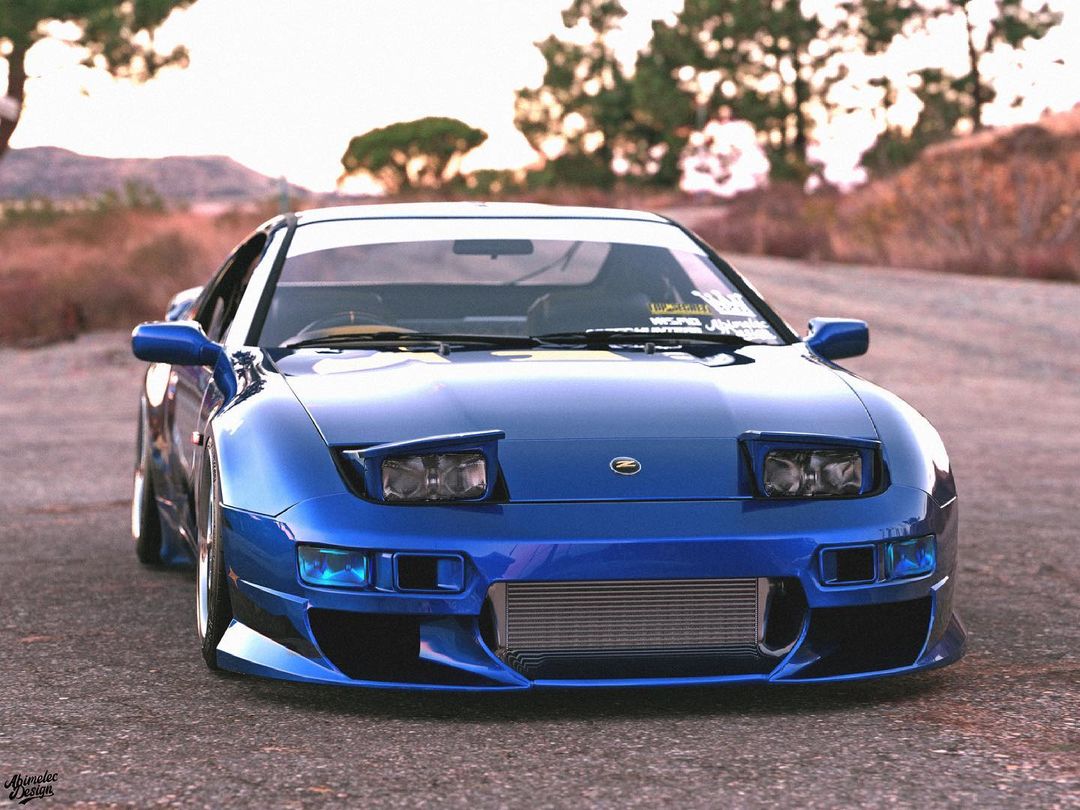
Pop-up headlights, also known as retractable headlights, were a defining feature of many sports cars and some sedans from the late 1960s through the early 2000s. Nissan, like many manufacturers, embraced this design trend for various reasons, ranging from aerodynamic benefits to stylistic choices. While largely extinct today due to safety regulations and evolving design aesthetics, understanding the technology behind them, especially in Nissans, offers fascinating insights into automotive engineering.
The Allure of Pop-Up Lights
Before diving into the specifics of Nissan's pop-up headlights, let's consider why they were so popular. Primarily, they offered improved aerodynamics. When headlights are exposed, they create drag, negatively impacting fuel efficiency and top speed. By recessing them into the hood or front fascia, engineers could create a smoother, more streamlined profile. This was particularly important for high-performance vehicles where every bit of efficiency mattered.
Beyond aerodynamics, pop-up headlights contributed to a sleek and aggressive aesthetic. Cars like the Porsche 944, the Lamborghini Countach, and the Mazda RX-7 (FC and FD) became iconic partly due to their distinctive "sleepy eye" appearance when the lights were retracted. Nissan capitalized on this appeal with models like the 300ZX (Z31 and Z32) and the Pulsar NX.
Nissan's Pop-Up Headlight Implementation
Mechanical Actuation Systems
The fundamental principle behind pop-up headlights is simple: a mechanism raises and lowers the headlight assembly on demand. However, the execution varied. Most systems relied on an electric motor connected to a series of gears and linkages. These gears would then drive a lever arm that physically lifted or lowered the headlight pod. Think of it like a tiny electric window regulator, but for your headlights.
In the Nissan 300ZX (Z31), for example, each headlight had its own dedicated motor and linkage system. A control module, receiving signals from the headlight switch, would activate the motors simultaneously. Failure of one motor wouldn't necessarily affect the other headlight, although it would create an uneven look. The system included limit switches that would stop the motor once the headlight reached its fully extended or retracted position, preventing over-travel and potential damage.
The mechanical components were often the source of problems. Gears could wear down, linkages could bind due to corrosion or lack of lubrication, and the motors themselves could fail over time. A common issue was the "lazy eye" effect, where one headlight would pop up slower or not at all, indicating a problem with its motor or linkage.
Vacuum Actuation Systems
While less common in Nissan models compared to mechanical systems, vacuum-operated pop-up headlights did exist. These systems used engine vacuum to power a diaphragm or piston, which in turn moved the headlight assembly. Cars like the Triumph TR7 and some older muscle cars used vacuum systems.
Vacuum systems were simpler in design but relied heavily on a consistent vacuum source. Leaks in the vacuum lines or a weak engine vacuum could cause the headlights to operate erratically or not at all. Moreover, these systems were often slower than their electric counterparts.
Electrical Components and Control
Regardless of the actuation method (mechanical or vacuum), the electrical system played a crucial role. A dedicated relay, often controlled by the headlight switch, provided power to the headlight motors. The relay acted as a switch, allowing a small current from the headlight switch to control a larger current needed to power the motors.
The control module, if present, added another layer of sophistication. It could monitor the headlight switch position, detect faults in the system, and even incorporate features like automatic headlight activation based on ambient light levels. In more advanced systems, the control module could communicate with the car's ECU (Engine Control Unit) to integrate headlight operation with other vehicle functions.
Wiring issues were a frequent cause of pop-up headlight problems. Corrosion, damaged insulation, or loose connections could prevent the motors from receiving power or cause erratic operation. Diagnosing electrical problems often required a multimeter and a wiring diagram.
Troubleshooting and Maintenance
So, you've got a Nissan with pop-up headlights, and they're not working correctly. What do you do?
- Check the Fuses and Relays: This is the first and easiest step. Locate the fuse box (usually under the hood or in the cabin) and check the fuses related to the headlights. Replace any blown fuses with the correct amperage rating. Also, check the headlight relay. You can often swap it with a similar relay (e.g., the horn relay) to see if that resolves the issue.
- Inspect the Wiring: Look for any signs of corrosion, damaged insulation, or loose connections near the headlight motors, relays, and switch. Use a wire brush to clean corroded terminals and repair any damaged wiring.
- Listen for Motor Activity: When you turn on the headlights, can you hear the motors whirring? If you hear the motors but the headlights aren't moving, the problem is likely with the linkage. If you don't hear anything, the problem is likely electrical or with the motor itself.
- Check the Linkage: Carefully inspect the gears and linkages for any signs of wear, damage, or binding. Lubricate the linkages with a suitable grease. If the gears are worn or broken, they may need to be replaced.
- Test the Motor: Disconnect the motor and apply direct power (12V) to it. If the motor doesn't run, it's likely faulty and needs to be replaced.
- Vacuum System Checks (If Applicable): Inspect the vacuum lines for leaks or cracks. Use a vacuum gauge to check the engine vacuum at the headlight actuator. A weak vacuum may indicate a problem with the engine or a leak in the system.
Preventative maintenance is key to keeping your pop-up headlights functioning properly. Regularly lubricate the linkages and check the wiring for any signs of wear. Consider replacing the headlight motors before they fail completely, especially if they are original to the car.
The Demise of Pop-Up Headlights
Despite their appeal, pop-up headlights eventually fell out of favor. Safety regulations played a significant role. Pedestrian safety standards required smooth, rounded front-end designs to minimize injuries in the event of a collision. Pop-up headlights, with their sharp edges and potential to trap limbs, were deemed unsafe.
Furthermore, advancements in headlight technology allowed for more aerodynamic and visually appealing designs without the need for retractable mechanisms. Modern headlights, such as projector beams and LED lights, could be integrated seamlessly into the front fascia, providing excellent illumination while maintaining a streamlined profile.
Practical Takeaways
- Understanding the System: Knowledge of how the pop-up headlight system works—whether it's mechanically or vacuum-actuated—is crucial for effective troubleshooting. Knowing the components and their functions enables you to pinpoint the source of the problem more efficiently.
- Regular Maintenance: Don't wait for your headlights to fail before taking action. Routine lubrication of linkages and inspection of wiring can prevent many common problems.
- Component Replacement: Be prepared to replace worn or faulty components, such as motors, relays, and gears. Sourcing replacement parts may require some effort, but keeping your pop-up headlights functional is worth it for both aesthetics and safety.
- Electrical Diagnostics: Invest in a multimeter and learn basic electrical troubleshooting techniques. Many pop-up headlight problems stem from electrical issues, and being able to diagnose these problems yourself can save you time and money.
- Documentation: Obtain a service manual or wiring diagram for your specific Nissan model. This documentation will be invaluable when diagnosing and repairing pop-up headlight problems.
While pop-up headlights are a relic of the past, they represent a fascinating chapter in automotive design and engineering. Understanding how they work and how to maintain them allows you to preserve a piece of automotive history and keep your classic Nissan looking its best.