
Oxygen Sensor Monitor Drive Cycle
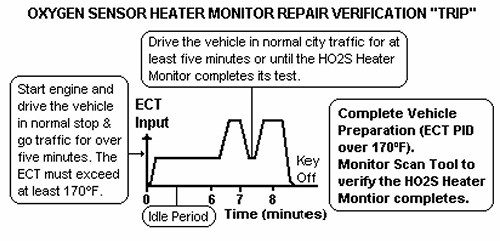
The humble oxygen sensor, a workhorse in the internal combustion engine (ICE) vehicle for decades, diligently measuring exhaust gas composition to ensure optimal fuel efficiency and minimize emissions. While the automotive landscape is rapidly evolving towards electrification, understanding and managing oxygen sensor performance, particularly through the Oxygen Sensor Monitor Drive Cycle, remains crucial for existing fleets and hybrid vehicles. This article explores the future of this critical diagnostic process in a world increasingly dominated by electric vehicles (EVs) and advanced hybrid technologies.
The Enduring Relevance of the Oxygen Sensor Monitor
Even as EVs gain prominence, millions of ICE and hybrid vehicles will remain on our roads for years to come. These vehicles, subject to stringent emissions regulations, require properly functioning oxygen sensors. The Oxygen Sensor Monitor Drive Cycle is a predefined set of driving conditions designed to allow the vehicle's onboard diagnostic (OBD) system to evaluate the performance of the oxygen sensors. Successfully completing this drive cycle ensures that the sensors are responding correctly to changes in exhaust gas composition, indicating proper operation and compliance with emissions standards.
While the basic principles of the drive cycle remain consistent, the complexity of modern engine management systems and hybrid powertrains introduces new challenges. For instance, hybrid vehicles with regenerative braking systems and complex engine start/stop strategies can make it difficult to achieve the stable operating conditions required for the drive cycle. Furthermore, the increasing use of direct injection and lean-burn engine technologies necessitate more sophisticated oxygen sensor diagnostics.
Challenges in a Hybrid and Electrified Future
The transition to EVs presents a paradigm shift, but the intermediate stage, dominated by hybrid vehicles, introduces unique hurdles for oxygen sensor monitoring. Consider the following:
- Intermittent Engine Operation: Hybrids often cycle the engine on and off, making it difficult to maintain the consistent driving conditions needed for a successful drive cycle. Sophisticated algorithms are needed to adapt the drive cycle requirements to accommodate this intermittent operation.
- Regenerative Braking: The frequent use of regenerative braking in hybrids reduces the need for conventional braking, potentially affecting exhaust gas temperatures and sensor performance.
- Increased System Complexity: Hybrid powertrains integrate multiple systems, including electric motors, batteries, and ICEs. This complexity increases the potential for interactions that can affect oxygen sensor performance and diagnostic accuracy.
Innovative Solutions and Emerging Technologies
Fortunately, advancements in automotive technology are providing solutions to address these challenges. Here are a few key areas of innovation:
- Adaptive Drive Cycle Algorithms: These algorithms dynamically adjust the drive cycle requirements based on the vehicle's operating conditions and powertrain configuration. They can compensate for intermittent engine operation and regenerative braking, ensuring that the oxygen sensors are properly evaluated.
- Virtual Sensors and Predictive Diagnostics: As data acquisition and processing power increase, virtual sensors are becoming more prevalent. These software-based sensors use data from other vehicle systems to predict oxygen sensor behavior and identify potential issues. This can reduce the reliance on the traditional drive cycle and provide earlier warnings of sensor failure.
- Remote Diagnostics and Over-the-Air (OTA) Updates: Connected car technology enables remote diagnostics and OTA updates, allowing manufacturers to monitor oxygen sensor performance remotely and push software updates to improve diagnostic accuracy and address any identified issues. This proactive approach can minimize downtime and ensure that vehicles remain compliant with emissions regulations.
- Advanced Sensor Technologies: Next-generation oxygen sensors are being developed with improved accuracy, durability, and response time. These sensors are better equipped to handle the demanding operating conditions of modern engines and hybrid powertrains. They also incorporate self-diagnostic capabilities, making it easier to identify potential problems.
Artificial intelligence (AI) and machine learning (ML) are also playing an increasingly important role in oxygen sensor diagnostics. ML algorithms can be trained on vast amounts of vehicle data to identify patterns and anomalies that indicate sensor degradation or failure. This allows for more accurate and proactive diagnostics, minimizing the risk of emissions violations.
"The future of oxygen sensor monitoring lies in the integration of advanced sensor technologies, sophisticated algorithms, and connected car capabilities. This will enable a more proactive and predictive approach to emissions management, ensuring that vehicles remain compliant with regulations and minimizing their environmental impact."
Beyond the ICE: The Role in Alternative Fuel Vehicles
While oxygen sensors are primarily associated with gasoline and diesel engines, they also play a role in some alternative fuel vehicles, such as those powered by compressed natural gas (CNG) or propane. In these applications, oxygen sensors are used to monitor the combustion process and ensure optimal fuel efficiency and emissions performance. However, the specific requirements and challenges for oxygen sensor monitoring in alternative fuel vehicles may differ from those in gasoline and diesel vehicles. Further research and development are needed to optimize diagnostic strategies for these emerging technologies.
The Path Forward: A Collaborative Effort
Successfully navigating the future of oxygen sensor monitoring requires a collaborative effort between automotive manufacturers, sensor suppliers, regulatory agencies, and aftermarket service providers. Manufacturers need to develop vehicles that are designed for easy and accurate oxygen sensor diagnostics. Sensor suppliers need to continue to innovate and develop advanced sensor technologies. Regulatory agencies need to provide clear and consistent guidance on emissions standards and diagnostic requirements. And aftermarket service providers need to be trained and equipped to properly diagnose and repair oxygen sensor issues.
Furthermore, increased emphasis should be placed on preventative maintenance and education. Drivers should be informed about the importance of regular vehicle maintenance, including oxygen sensor inspection and replacement. This can help prevent sensor failures and ensure that vehicles remain compliant with emissions regulations.
The key is embracing a holistic approach that considers the entire vehicle lifecycle, from design and manufacturing to operation and maintenance. By working together, we can ensure that oxygen sensors continue to play a vital role in minimizing emissions and protecting the environment, even in a world increasingly dominated by EVs.
Looking Ahead: Mobility Reimagined
The future of mobility is undoubtedly electric, but the transition will be gradual. The Oxygen Sensor Monitor Drive Cycle, while seemingly a relic of the past, serves as a powerful reminder of the importance of meticulous monitoring and responsible engineering. As we move towards a world of autonomous, connected, and electrified vehicles, the principles of data-driven diagnostics and proactive maintenance will remain paramount. The lessons learned from decades of optimizing combustion engines will inform the development of advanced battery management systems, electric motor diagnostics, and other critical technologies for the next generation of vehicles. The quest for cleaner, more efficient, and more sustainable transportation is a continuous journey, and the Oxygen Sensor Monitor Drive Cycle, in its evolving form, will continue to play a vital role in shaping that journey.
Imagine a future where vehicles proactively communicate their diagnostic needs, scheduling maintenance appointments automatically and optimizing their performance based on real-time environmental conditions. A future where emissions are continuously monitored and managed, ensuring that our air remains clean and our planet remains healthy. This is the vision that drives us forward, a vision where technology and responsibility work together to create a better world for all.