
Pilot Light Assembly For Gas Water Heater
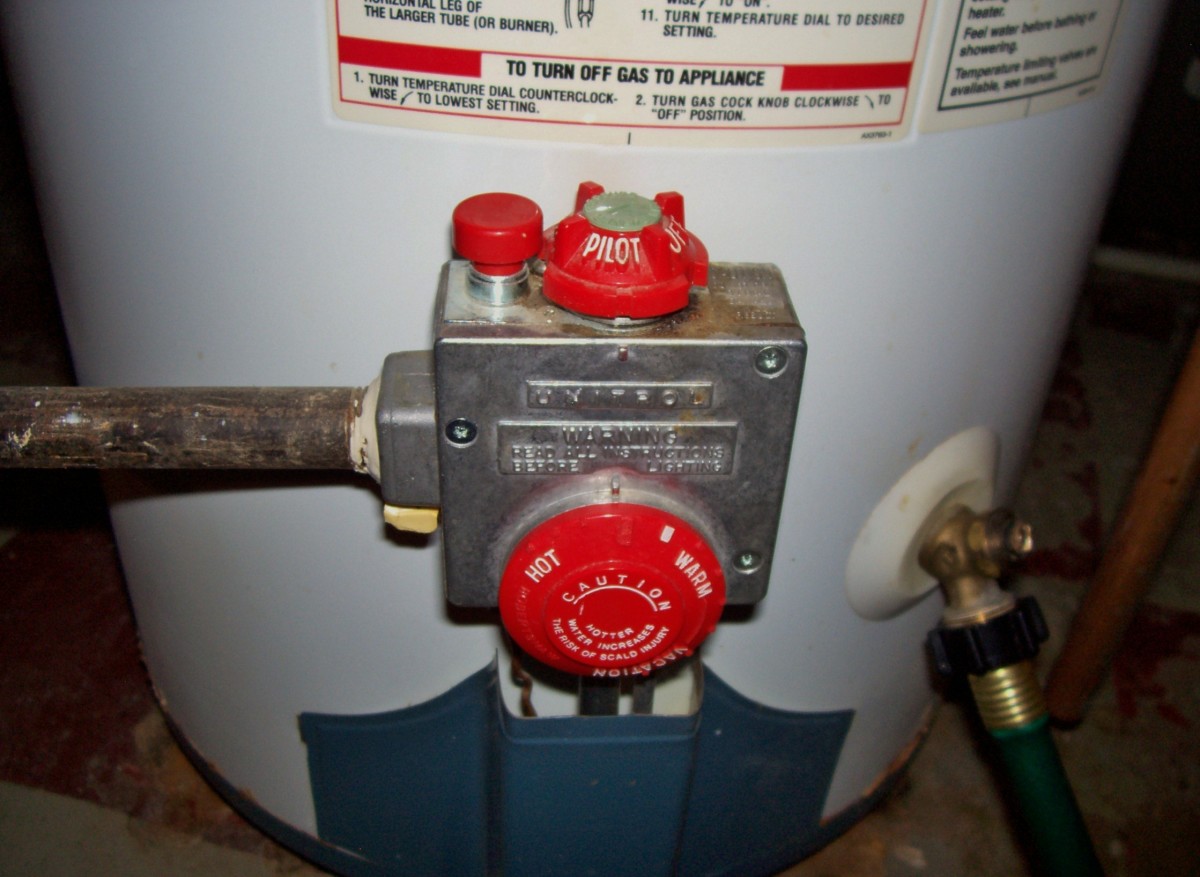
A gas water heater is a reliable workhorse in most homes, providing hot water on demand. However, like any appliance, it can encounter problems. One common issue homeowners face is a faulty or extinguished pilot light assembly. This can leave you with cold showers and a frustrating troubleshooting experience. Let's dive into the common causes of pilot light problems, how to diagnose them, and potential solutions, empowering you to get your hot water flowing again.
Understanding the Pilot Light Assembly
Before we troubleshoot, let's quickly review what the pilot light assembly is and its function. The pilot light is a small, continuous flame that ignites the main burner of your water heater when hot water is needed. The assembly typically consists of:
- Pilot burner: The small nozzle where the gas is released to create the pilot flame.
- Thermocouple or thermopile: A safety device that senses the pilot flame. If the flame goes out, the thermocouple shuts off the gas supply to prevent a dangerous gas buildup.
- Gas supply tube: Delivers gas from the gas valve to the pilot burner.
- Igniter (on some models): Can be a piezo igniter (push-button spark) or an electronic igniter.
Common Pilot Light Problems & Solutions
Now, let's address the specific problems you might encounter:
1. Pilot Light Won't Light
Problem: You follow the lighting instructions, but the pilot light simply refuses to ignite, or it ignites briefly and then goes out immediately.
Possible Causes:
- No gas supply: This is the most basic, but often overlooked, cause. Check that your gas supply to the water heater is turned on. Also, ensure you have gas service to your home.
- Air in the gas line: If the gas line has been shut off recently, air can get trapped in the line.
- Clogged pilot orifice: Debris or rust can block the tiny opening in the pilot burner, preventing gas flow.
- Faulty thermocouple/thermopile: If the thermocouple isn't generating enough voltage, it won't keep the gas valve open.
- Defective gas valve: The gas valve itself could be malfunctioning.
- Igniter malfunction (if applicable): A faulty igniter won't produce a spark to ignite the gas.
Solutions:
- Verify Gas Supply: Double-check the gas valve on the water heater and the main gas supply to your house.
- Purge the Gas Line: If you suspect air in the line, try holding the pilot button down for an extended period (as per the manufacturer's instructions) to allow any trapped air to escape.
- Clean the Pilot Orifice: This is often the culprit! Turn off the gas supply. Carefully remove the pilot assembly (refer to your water heater's manual). Use a thin wire or a pilot orifice cleaning tool (available at most hardware stores for under $10) to gently clean out the orifice. Be extremely careful not to enlarge the opening. Reassemble and try lighting the pilot.
- Test the Thermocouple/Thermopile: A multimeter is needed for this step. Set the multimeter to measure millivolts (mV). Disconnect the thermocouple from the gas valve. Light the pilot and hold the gas control knob in. Place the multimeter probes on the thermocouple terminals. A healthy thermocouple should generate at least 20-30 mV (check your manufacturer's specifications). If it's significantly lower, the thermocouple needs replacement (typically costing $10-$20). Thermopiles generate higher voltages, usually around 750mV when tested.
- Check the Igniter (if applicable): If you have a piezo igniter, visually inspect the spark gap for debris or corrosion. Clean as needed. If you have an electronic igniter, listen for a clicking sound when you try to light the pilot. No click usually indicates a faulty igniter. Replacement cost varies depending on the model (typically $20-$50).
- Gas Valve Replacement: If all other solutions fail, the gas valve may be defective. This is best left to a qualified technician, as improper installation can be dangerous. Gas valve replacement can range from $150 to $400, including labor.
2. Pilot Light Lights, But Goes Out After Releasing the Button
Problem: The pilot light ignites when you hold down the gas control knob, but it extinguishes as soon as you release the knob.
Possible Causes:
- Faulty Thermocouple/Thermopile: This is the most common cause. The thermocouple isn't generating enough voltage to keep the gas valve open after you release the button.
- Dirty Pilot Burner: A weak or unstable pilot flame may not provide sufficient heat to the thermocouple.
- Loose Connection: A loose connection between the thermocouple and the gas valve can interrupt the electrical circuit.
Solutions:
- Replace the Thermocouple/Thermopile: As mentioned above, a weak thermocouple is often the culprit. Replacing it is usually a straightforward process.
- Clean the Pilot Burner: A dirty pilot burner can cause a weak flame. Follow the steps outlined in the previous section to clean the pilot orifice.
- Check Connections: Ensure the thermocouple is securely connected to the gas valve. Tighten the connection, but be careful not to overtighten and damage the threads.
3. Pilot Light is Yellow or Orange
Problem: A healthy pilot light should be blue. A yellow or orange flame indicates incomplete combustion.
Possible Causes:
- Dirty Pilot Burner: Dust, debris, or spider webs can contaminate the flame.
- Insufficient Air Supply: The pilot burner may not be getting enough air for proper combustion.
- Gas Contamination: Rarely, the gas supply itself may be contaminated.
Solutions:
- Clean the Pilot Burner: Clean the pilot orifice and surrounding area to remove any contaminants.
- Check Air Vents: Ensure the air vents on the water heater are not blocked by dust or debris.
- Contact Your Gas Company: If the problem persists after cleaning, contact your gas company to check for gas contamination. This is less common but important to address.
Safety First!
Working with gas appliances can be dangerous. If you're uncomfortable performing any of these repairs, it's always best to call a qualified plumbing or HVAC technician. Before attempting any repairs, always:
- Turn off the gas supply to the water heater.
- Unplug the water heater (if it has an electrical connection).
- Ventilate the area well.
- Have a working carbon monoxide detector in your home.
Tools You Might Need
Here's a list of tools that can be helpful for diagnosing and repairing pilot light issues:
- Screwdrivers (various sizes)
- Wrenches (various sizes)
- Pilot orifice cleaning tool
- Multimeter
- Pliers
- Flashlight
- Work gloves
- Safety glasses
By understanding the components of the pilot light assembly, recognizing common problems, and following the troubleshooting steps outlined above, you can often resolve pilot light issues yourself. Remember to prioritize safety and call a professional if you're unsure about any aspect of the repair. With a little knowledge and effort, you can keep your hot water flowing!