
Pop Up Camper Lift System
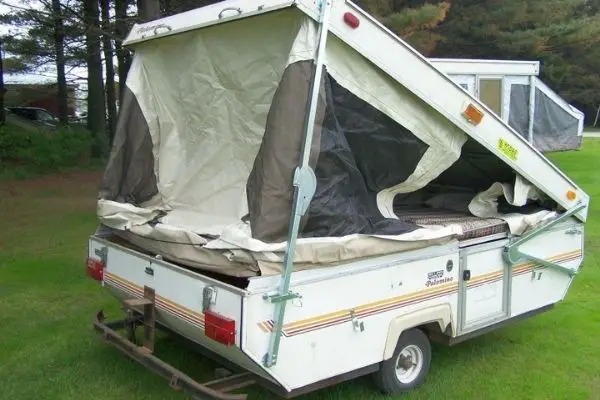
The allure of the open road, coupled with the convenience of a readily available shelter, has fueled the enduring popularity of pop-up campers. At the heart of their ingenious design lies the lift system, a critical component responsible for transforming a compact, towable unit into a comfortable, albeit temporary, living space. Understanding the mechanics, maintenance, and potential pitfalls of these systems is essential for any pop-up camper owner, seasoned mechanic, or aspiring RV enthusiast.
Types of Pop-Up Camper Lift Systems
Pop-up camper lift systems, despite their shared purpose, vary considerably in design and complexity. The choice of system often depends on the camper's size, weight, and intended price point. The most common types include:
Winch Systems
Winch systems are arguably the most prevalent, employing a cable or chain connected to a winch mechanism. This winch, typically located at the front of the camper, is cranked manually or, in some higher-end models, powered electrically. As the winch rotates, it pulls on the cable or chain, raising the roof and canvas walls into their extended position.
Advantages: Relatively simple to operate and maintain. Parts are generally readily available, and the repair costs are often lower compared to more complex systems.
Disadvantages: Manual winches can be physically demanding, especially on larger campers. Cable or chain stretch and breakage are common issues requiring periodic inspection and replacement. Winch cable failures can be dangerous if not addressed promptly.
Scissor Lift Systems
Scissor lift systems utilize a series of interconnected, folding arms arranged in a scissor-like configuration. These arms are typically activated by a central screw mechanism or a hydraulic cylinder. As the screw or cylinder extends, the arms spread apart, lifting the roof vertically.
Advantages: Provides a stable and robust lifting platform. Allows for a more even distribution of weight compared to winch systems.
Disadvantages: More complex construction translates to higher repair costs. Scissor arms can be susceptible to bending or damage from overloading or uneven terrain. Hydraulic systems, if present, introduce the potential for leaks and pump failures.
Lever Lift Systems
Less common, lever lift systems employ a series of levers and linkages to raise the roof. These systems are often found on older or smaller pop-up campers.
Advantages: Relatively simple and inexpensive to manufacture.
Disadvantages: Can be less stable than other systems. Requires more manual effort to operate, and component wear is often accelerated due to the numerous moving parts.
Component Breakdown and Function
Regardless of the specific type, most pop-up camper lift systems share several key components:
- Winch/Motor: Provides the motive force for lifting the roof. (Applies to Winch Systems)
- Cable/Chain: Transmits the force from the winch to the lift arms or roof supports. (Applies to Winch Systems)
- Lift Arms/Scissor Arms: The primary structural elements responsible for raising and supporting the roof.
- Screw Mechanism/Hydraulic Cylinder: Provides the force to extend the scissor arms. (Applies to Scissor Lift Systems)
- Corner Posts: Vertical supports that guide the roof during lifting and provide stability when the camper is fully extended.
- Pulleys/Guides: Direct the cable or chain and reduce friction. (Applies to Winch Systems)
- Cables and Wiring: Connect the components to any electric motors.
Common Problems and Troubleshooting
A malfunctioning lift system can quickly turn a relaxing camping trip into a frustrating ordeal. Here are some common problems and potential solutions:
- Difficulty Cranking: This could indicate a lack of lubrication, a binding cable, or a worn-out winch. Try lubricating all moving parts with a suitable grease or oil. Inspect the cable for kinks or fraying. If the winch is excessively worn, consider replacing it.
- Uneven Roof Lifting: This suggests that one or more lift arms are damaged or that the cables are unevenly tensioned. Inspect the lift arms for bends or cracks. Adjust the cable tension as needed, following the manufacturer's instructions.
- Cable Slippage or Breakage: Replace the damaged cable immediately. Ensure that the new cable is of the correct type and length. Consider upgrading to a higher-strength cable for added safety.
- Popping Sounds: This is often caused by friction between the cables and pulleys or guides. Lubricate these components thoroughly.
- Hydraulic Leaks (Scissor Lift Systems): Identify and repair the leak. Replace worn seals or hoses as necessary. Bleed the hydraulic system after repairs.
- Motor Failure (Electric Systems): Check the fuse and wiring. Test the motor with a multimeter. If the motor is faulty, replace it.
Maintenance and Prevention
Regular maintenance is key to prolonging the life of your pop-up camper lift system and preventing costly repairs. Consider these tips:
- Lubrication: Lubricate all moving parts, including cables, pulleys, winches, and scissor arms, at least twice a year or more frequently if used in dusty or wet conditions. Use a high-quality grease or oil specifically designed for outdoor applications.
- Inspection: Inspect the lift system regularly for signs of wear, damage, or corrosion. Pay close attention to cables, pulleys, lift arms, and corner posts.
- Cable Tension Adjustment: Maintain proper cable tension to ensure even roof lifting. Refer to the manufacturer's instructions for the correct tension specifications.
- Cleaning: Keep the lift system clean and free of debris. Use a brush or cloth to remove dirt, leaves, and other contaminants.
- Storage: When storing the camper for extended periods, lower the roof completely and cover it to protect it from the elements.
Cost Considerations
The cost of repairing or replacing a pop-up camper lift system can vary widely depending on the type of system, the extent of the damage, and whether you choose to perform the repairs yourself or hire a professional. Replacing a cable on a winch system might cost a few dollars and some elbow grease if you DIY. Replacing an entire scissor lift system with hydraulic pump will be much more costly and may require professional help.
Here's a general estimate of potential costs:
- Cable Replacement: $20 - $50 (DIY) or $100 - $200 (Professional)
- Winch Replacement: $100 - $300 (DIY) or $200 - $500 (Professional)
- Lift Arm Repair/Replacement: $50 - $200 per arm (DIY if possible) or $150 - $400 per arm (Professional)
- Hydraulic Cylinder Repair/Replacement: $100 - $400 (DIY if skilled) or $300 - $800 (Professional)
- Complete Lift System Replacement: $500 - $2000+ (Professional Installation Required)
Remember to factor in the cost of labor if you choose to hire a professional mechanic. Always obtain multiple quotes before committing to any repairs.
Upgrading Your Lift System
For those looking to improve the functionality or reliability of their pop-up camper lift system, several upgrade options are available:
- Electric Winch Conversion: Convert a manual winch to an electric winch for easier operation.
- Heavy-Duty Cables: Replace the existing cables with higher-strength cables for increased safety and durability.
- Reinforced Lift Arms: Upgrade to reinforced lift arms for added support and stability.
- Improved Lubrication Systems: Install automatic lubrication systems to ensure consistent lubrication of all moving parts.
Before making any modifications, consult with a qualified mechanic to ensure that the upgrades are compatible with your camper and that they are installed correctly. Consider the increased weight of heavier components and its effect on towing.
Conclusion
The pop-up camper lift system, though often overlooked, is a vital component that enables the unique functionality of these versatile recreational vehicles. By understanding the different types of systems, their common problems, and the importance of regular maintenance, owners and mechanics alike can ensure that their campers remain safe, reliable, and ready for adventure for years to come. Proper maintenance and timely repairs will not only extend the life of your lift system but also enhance the overall enjoyment of your camping experience. Investing in understanding your camper's mechanics is investing in worry-free adventures.