
Remove Hard Water Stains From Car Windows
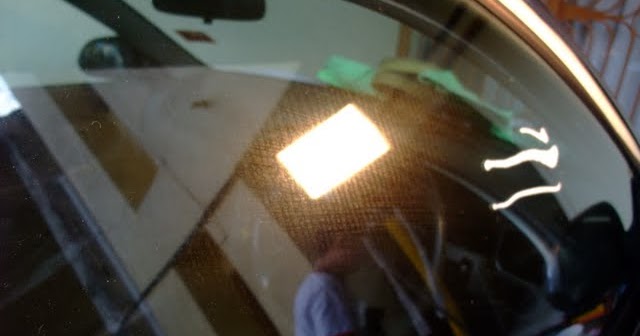
Hard water stains on car windows can be a frustrating problem. These unsightly spots, caused by mineral deposits left behind when water evaporates, can significantly reduce visibility, especially when driving into the sun or at night. Fortunately, removing these stains doesn't require expensive professional detailing. With the right tools and techniques, you can restore your car windows to their former clarity. This guide will walk you through several effective methods to remove hard water stains from your car windows, ensuring a safer and more enjoyable driving experience.
Understanding Hard Water Stains
Before diving into the removal process, it's crucial to understand what causes hard water stains. Hard water contains high concentrations of minerals like calcium, magnesium, and lime. When this water dries on your car windows, these minerals remain behind, creating a chalky, white residue that's difficult to remove with ordinary washing. The longer these stains remain, the harder they become to remove, as the minerals bond more strongly to the glass surface. Ignoring hard water stains can lead to etching, which permanently damages the glass and requires professional repair.
Identifying Hard Water Stains
Hard water stains typically appear as:
- White or grayish spots and streaks.
- A hazy film covering the glass surface.
- Rough texture to the touch.
- Reduced visibility, especially in sunlight.
Distinguishing hard water stains from other types of stains, like sap or bird droppings, is essential for choosing the appropriate cleaning method.
Preventative Measures: Stop Hard Water Stains Before They Start
The best approach to dealing with hard water stains is prevention. Here are a few tips to minimize their formation:
- Dry your car immediately after washing: Use a microfiber towel or a chamois to thoroughly dry your car windows after washing. This prevents water from evaporating and leaving behind mineral deposits.
- Use a water softener: If you frequently wash your car at home, consider using a water softener attachment for your hose. This reduces the mineral content of the water.
- Park indoors: Whenever possible, park your car in a garage or under a carport to protect it from rain and sprinkler systems, both common sources of hard water.
- Regular cleaning: Regularly washing and drying your car windows prevents mineral build-up from becoming severe.
Effective Methods for Removing Hard Water Stains
If prevention wasn't enough, here are several methods you can use to remove hard water stains from car windows.
1. Vinegar Solution
Vinegar's acidity makes it an effective natural cleaner for dissolving mineral deposits. This method is best for light to moderate stains.
- Mix equal parts white vinegar and distilled water in a spray bottle. Distilled water is crucial to avoid introducing new minerals that could cause more stains.
- Spray the solution generously onto the affected window areas.
- Let it sit for 5-10 minutes to allow the vinegar to break down the mineral deposits.
- Wipe the window clean with a microfiber towel.
- Rinse the window thoroughly with clean water to remove any remaining vinegar residue.
- Dry the window with a clean, dry microfiber towel.
- Repeat if necessary.
Important Note: Avoid using vinegar on your car's paint, as it can damage the finish. If any vinegar solution gets on the paint, rinse it off immediately.
2. Baking Soda Paste
Baking soda is a mild abrasive that can help scrub away stubborn hard water stains. This method is suitable for moderate to severe stains.
- Mix baking soda with a small amount of water to form a paste. The consistency should be similar to toothpaste.
- Apply the paste to the affected areas of the window.
- Gently rub the paste onto the stains using a microfiber cloth or a soft sponge in a circular motion. Avoid applying too much pressure, as this could scratch the glass.
- Rinse the window thoroughly with clean water.
- Dry the window with a clean, dry microfiber towel.
- Repeat if necessary.
Caution: Always test baking soda paste on an inconspicuous area of the window first to ensure it doesn't scratch the glass.
3. Commercial Hard Water Stain Removers
Several commercial products are specifically designed to remove hard water stains from car windows. These products typically contain stronger chemicals than vinegar or baking soda and can be more effective for stubborn stains.
- Choose a product specifically formulated for automotive glass. Read the label carefully to ensure it's safe for your windows.
- Follow the manufacturer's instructions precisely. This is crucial for safety and effectiveness.
- Apply the product to the affected areas of the window using a clean applicator pad or microfiber cloth.
- Allow the product to sit for the recommended amount of time.
- Wipe the window clean with a microfiber towel.
- Rinse the window thoroughly with clean water.
- Dry the window with a clean, dry microfiber towel.
- Repeat if necessary.
Safety First: Always wear gloves and eye protection when using commercial hard water stain removers. Work in a well-ventilated area.
4. Clay Bar Treatment
A clay bar is a detailing tool used to remove contaminants from your car's paint and glass. It can also be effective for removing stubborn hard water stains. This method is best for moderate stains and should be followed by polishing.
- Wash your car windows thoroughly with soap and water.
- Knead the clay bar to soften it.
- Spray the window with a clay bar lubricant.
- Gently rub the clay bar over the affected areas in a back-and-forth motion.
- Wipe away any residue with a clean microfiber towel.
- Wash the window again with soap and water.
- Dry the window with a clean, dry microfiber towel.
- Follow up with a glass polish for optimal clarity.
Important Tip: Keep the clay bar clean and lubricated to prevent scratching the glass. If the clay bar becomes heavily soiled, discard it and use a fresh piece.
5. Glass Polish
Glass polish contains mild abrasives that can remove light etching and hard water stains. It's best used after other methods to restore the glass's clarity. Always use a polish specifically designed for glass.
- Apply a small amount of glass polish to a clean applicator pad.
- Rub the polish onto the affected areas of the window in a circular motion.
- Apply moderate pressure.
- Buff the window with a clean, dry microfiber towel until the polish is removed.
- Repeat if necessary.
Choosing the Right Polish: Opt for a cerium oxide-based glass polish for optimal results on stubborn stains.
When to Call a Professional
If you've tried these methods and are still unable to remove the hard water stains, or if the stains have caused significant etching, it's best to consult a professional auto detailer. They have specialized equipment and chemicals that can effectively remove even the most stubborn stains without damaging your car's windows. Ignoring severe etching can lead to costly glass replacement down the road.
Conclusion
Removing hard water stains from car windows is essential for maintaining visibility and ensuring driving safety. By understanding the causes of these stains and employing the appropriate cleaning methods, you can restore your car windows to their original clarity. Remember that prevention is key, and regular cleaning can significantly reduce the likelihood of hard water stains forming in the first place. Whether you choose a natural solution like vinegar or a commercial hard water stain remover, always follow the instructions carefully and prioritize safety. With a little effort, you can enjoy clear, spotless car windows and a safer, more enjoyable driving experience.