
S10 Pickup S10 2.2 Coil Pack Firing Order
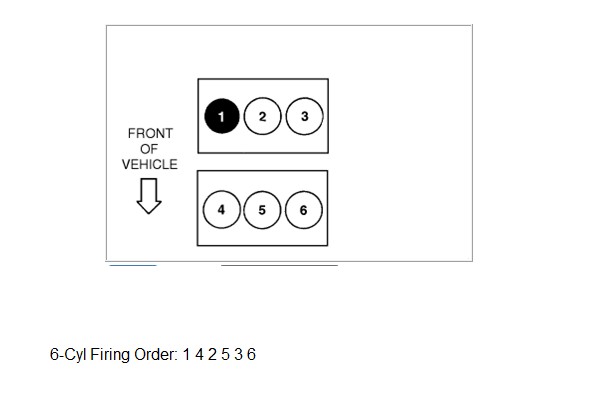
The 2.2L S10 pickup, a workhorse for many, relies on a coil pack ignition system. Understanding its firing order and how it relates to coil pack functionality is crucial for both owners and mechanics. This article delves into the specifics of the S10 2.2L coil pack firing order, providing practical advice for maintenance, troubleshooting, and resolving common issues.
Understanding the S10 2.2L Firing Order and Coil Pack Configuration
The firing order for the 2.2L S10 is 1-3-4-2. This is the sequence in which the cylinders ignite to create the engine's power. The coil pack doesn't fire each cylinder individually; instead, it fires two cylinders simultaneously using a wasted spark system. This means one cylinder receives a spark during its compression stroke (the one needing it), and the other receives a spark during its exhaust stroke (the "wasted" spark). In the 2.2L S10, one coil serves cylinders 1 & 4, and the other serves cylinders 2 & 3. It’s vital to understand this pairing to diagnose misfires effectively.
Common Symptoms of Coil Pack Problems
Recognizing the symptoms of a failing coil pack is the first step in diagnosing ignition-related issues. Here are some common indicators:
- Misfires: This is the most common symptom. You might feel a shuddering or jerking, especially under acceleration. The Check Engine Light (CEL) will often illuminate, potentially displaying codes like P0300 (Random Misfire), P0301 (Cylinder 1 Misfire), P0302 (Cylinder 2 Misfire), P0303 (Cylinder 3 Misfire), or P0304 (Cylinder 4 Misfire).
- Rough Idle: A failing coil pack can cause an erratic and unstable idle. The engine might surge or dip in RPMs.
- Reduced Power: When a cylinder isn't firing correctly, the engine's overall power output is significantly reduced. You might notice sluggish acceleration and difficulty climbing hills.
- Poor Fuel Economy: Misfires lead to incomplete combustion, resulting in wasted fuel and decreased MPG.
- Hard Starting: In severe cases, a failing coil pack can prevent the engine from starting altogether.
- Check Engine Light (CEL): A misfire will almost always trigger the CEL. Scan the computer for codes to help pinpoint the problem.
Troubleshooting Coil Pack Issues: A Step-by-Step Approach
When you suspect a coil pack problem, follow these steps to diagnose the issue:
- Scan for Diagnostic Trouble Codes (DTCs): Use an OBD-II scanner to retrieve any stored codes. Note down all codes present, even if they don't seem directly related to ignition.
- Visual Inspection: Carefully inspect the coil pack for any visible signs of damage, such as cracks, burns, or corrosion. Check the wiring harness and connectors for loose connections or damaged wires.
- Coil Pack Resistance Test: Use a multimeter to measure the resistance of each coil within the coil pack. Compare the readings to the manufacturer's specifications (usually found in a repair manual or online). Significant deviations indicate a faulty coil.
- Spark Test: Disconnect the spark plug wire from the spark plug and insert a spark plug tester between the wire and the plug. Have someone crank the engine while you observe the spark tester. A healthy coil will produce a strong, blue spark. A weak or absent spark indicates a problem with the coil, wiring, or ECM. Caution: Be careful when performing this test, as high voltage is involved.
- Swap Coil Packs: If you suspect a specific coil is failing, try swapping it with the other coil pack. Clear the DTCs and start the engine. If the misfire moves to the cylinder now served by the swapped coil, the original coil is likely faulty. For example, if you move the coil pack firing 1&4 to the spot for 2&3 and the misfire moves from cylinder 1 to cylinder 2, the original coil pack is likely the problem.
- Check Spark Plugs and Wires: While troubleshooting, don't overlook the spark plugs and wires. Worn or damaged spark plugs can put extra strain on the coil pack, leading to premature failure. Replace spark plugs and wires as needed.
- Inspect the Crankshaft Position Sensor (CKP) and Camshaft Position Sensor (CMP): While less common, a faulty CKP or CMP sensor can disrupt the timing and cause misfires that may seem like a coil pack problem.
Real-World Issues and Solutions
Here are some common scenarios and solutions related to S10 2.2L coil packs:
- Problem: Intermittent misfire, especially in humid weather. Solution: Often caused by hairline cracks in the coil pack housing, allowing moisture to penetrate and short out the coil. Replace the coil pack with a quality aftermarket or OEM unit. Ensure proper sealing and dielectric grease on the connections.
- Problem: Misfire only at high RPMs. Solution: Could be a weak coil struggling to keep up with the increased demand. Replace the coil pack and consider upgrading to a higher-performance unit if you frequently drive at high RPMs. Also, check fuel pressure and injector function, as a lean condition can mimic a coil pack issue.
- Problem: CEL code P0300 (Random Misfire). Solution: This code can be tricky. Start by checking the usual suspects (spark plugs, wires, coil packs). However, also consider other potential causes, such as vacuum leaks, low fuel pressure, a clogged fuel filter, or a faulty EGR valve. Perform a thorough diagnostic process to rule out other possibilities before replacing the coil pack. An example of a similar problem is found in some older Ford Rangers with the 2.3L engine, where vacuum leaks can cause seemingly random misfires.
- Problem: Recurring coil pack failures. Solution: This could indicate an underlying issue putting excessive strain on the coil pack. Check the charging system voltage (alternator output) and the condition of the battery. Overcharging or undercharging can damage the coil pack. Also, ensure the spark plugs are the correct type and gapped properly.
Preventative Maintenance for Long-Term Reliability
Here's how to keep your S10 2.2L running smoothly and extend the life of your coil packs:
- Regular Spark Plug Replacement: Follow the manufacturer's recommended maintenance schedule for spark plug replacement. Worn spark plugs increase the load on the coil packs.
- Inspect and Replace Spark Plug Wires: Check the spark plug wires for cracks, damage, or corrosion. Replace them as needed.
- Clean and Inspect Coil Pack Connections: Periodically clean the coil pack connectors with electrical contact cleaner. Apply dielectric grease to prevent corrosion and ensure a good connection.
- Monitor Engine Performance: Pay attention to any changes in engine performance, such as rough idle, reduced power, or poor fuel economy. Address these issues promptly to prevent further damage.
- Use Quality Parts: When replacing coil packs or other ignition components, always use high-quality parts from reputable brands. Cheaper parts may fail prematurely.
Maintaining your S10 2.2L's ignition system with a proactive approach and understanding its coil pack firing order will keep it running strong for years to come. Regular maintenance and prompt attention to potential problems are key to avoiding costly repairs and ensuring reliable performance. Applying these principles is very similar to maintaining the ignition system in a Chevy Blazer with the 4.3L V6, where preventative maintenance is crucial due to the engine's age and common failure points.