
Should I Change Oil Filter Every Oil Change
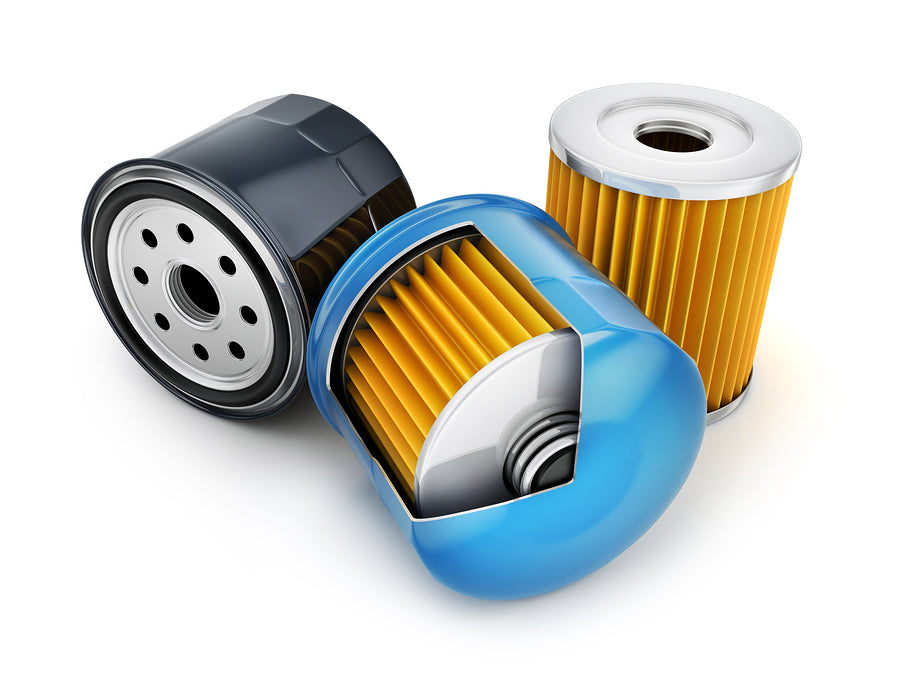
Changing your car's oil is a crucial part of regular maintenance, helping to keep your engine running smoothly and efficiently. But a common question among car owners is: Should I change the oil filter every time I change the oil? While it might seem like an unnecessary expense, the answer is generally a resounding yes. Let's delve into the reasons why.
Why Changing Your Oil Filter Matters
Your oil filter plays a vital role in protecting your engine. Its primary function is to remove contaminants from the engine oil. These contaminants include dirt, metal shavings, soot, and other debris that can accumulate as the engine operates. Think of it like a screen door for your oil; it lets the clean oil through while trapping the unwanted particles. Without a functioning oil filter, these contaminants would circulate throughout the engine, causing significant wear and tear on critical components.
Over time, the oil filter becomes clogged with these contaminants. A clogged filter restricts the flow of oil to the engine, potentially leading to reduced engine performance, increased engine wear, and, in severe cases, engine damage. A partially clogged filter can also trigger the oil pressure relief valve, bypassing the filter entirely and sending dirty oil directly to the engine – completely defeating the purpose of having a filter in the first place.
The Argument Against Changing the Oil Filter Every Time
The main argument against changing the oil filter at every oil change is cost. Oil filters, while relatively inexpensive, still add to the overall expense of an oil change. Some argue that if you use a high-quality oil and change it regularly, the filter can last for two oil change intervals. However, this approach carries a significant risk.
There's also the misconception that oil filters somehow "clean themselves" or that the build-up of contaminants is negligible. This is simply not true. The contaminants remain trapped within the filter media. While some premium filters might have a higher capacity for holding contaminants, they will still eventually become saturated.
The Overwhelming Evidence for Changing the Oil Filter with Every Oil Change
Here's why changing your oil filter with every oil change is the recommended practice:
Maximize Engine Protection
Using a fresh, clean oil filter ensures that your engine receives the cleanest possible oil. This minimizes wear and tear on critical engine components, extending the engine's lifespan. It's a small investment that can save you significant money on costly repairs down the road.
Optimal Oil Flow
A new oil filter allows for optimal oil flow throughout the engine. This ensures that all engine parts receive adequate lubrication, reducing friction and preventing overheating. Restricted oil flow can lead to serious engine damage.
Prevent Dirty Oil Recirculation
As mentioned earlier, a clogged oil filter can trigger the oil pressure relief valve, allowing dirty oil to bypass the filter and circulate through the engine. By replacing the filter with each oil change, you eliminate this risk.
Maintain Oil Quality
Even high-quality synthetic oils can become contaminated over time. A fresh oil filter helps to maintain the cleanliness and effectiveness of the new oil, maximizing its performance and longevity.
Ease of Maintenance and Peace of Mind
Changing the oil filter with every oil change simplifies your maintenance schedule. You don't have to keep track of when the filter was last changed or worry about potentially damaging your engine. It provides peace of mind knowing that you're doing everything you can to protect your investment.
Choosing the Right Oil Filter
Selecting the right oil filter is just as important as changing it regularly. There are many different brands and types of oil filters available, ranging from basic to premium. Consider the following factors when choosing an oil filter:
- Filter Media: Look for filters with high-quality filter media, such as synthetic blends or microglass, which offer superior filtration and contaminant-holding capacity.
- Construction: Choose a filter with robust construction and a sturdy canister to prevent leaks and ensure durability.
- Fit and Compatibility: Make sure the filter is the correct size and type for your vehicle's engine. Consult your owner's manual or a parts specialist for recommendations.
- Brand Reputation: Opt for reputable brands known for producing high-quality oil filters.
Using the correct oil and filter combination, changed at the recommended intervals, is the single best thing you can do to protect your engine.
How Often Should You Change Your Oil and Filter?
The recommended oil change interval varies depending on the vehicle, the type of oil used, and driving conditions. Consult your owner's manual for the manufacturer's recommendations. In general, most vehicles require an oil change every 3,000 to 7,500 miles. If you use synthetic oil, you may be able to extend the interval to 7,500 to 10,000 miles. However, it's always best to err on the side of caution and change your oil and filter more frequently if you drive in harsh conditions, such as stop-and-go traffic, extreme temperatures, or dusty environments.
Always change the oil filter with every oil change, regardless of the oil type or the recommended oil change interval. It’s a relatively inexpensive way to ensure optimal engine protection and longevity.
Conclusion
While it might be tempting to skip the oil filter change every other time to save a few dollars, the potential risks to your engine far outweigh the minimal cost savings. Changing your oil filter with every oil change is a crucial part of preventative maintenance that will help keep your engine running smoothly and reliably for years to come. It's a small investment that pays off big in terms of engine protection, performance, and longevity.