
Should I Let My Car Warm Up In The Winter
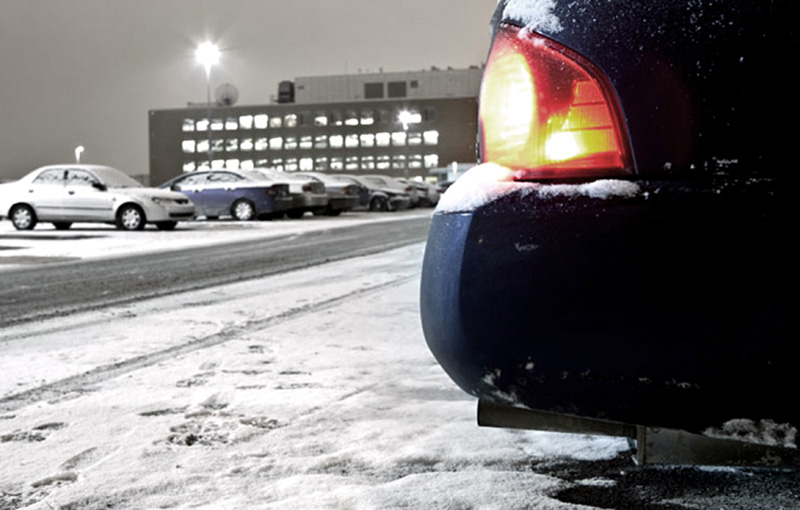
The age-old question of whether to let your car warm up in the winter continues to spark debate. For decades, many drivers have dutifully started their engines and waited, sometimes for extended periods, before hitting the road on a cold morning. But is this practice truly necessary, or is it simply a habit passed down through generations? Let's delve into the science and modern automotive technology to determine the best approach.
The Historical Reason Behind Warming Up Your Car
The practice of warming up your car originated when vehicles used carburetors. Carburetors mix fuel and air mechanically, and in cold weather, they often struggled to vaporize the fuel properly. This led to a lean fuel mixture, causing the engine to run roughly, stall frequently, and generally perform poorly until it warmed up. Extended idling allowed the engine to reach a temperature where the carburetor could function more effectively.
However, modern cars are equipped with electronic fuel injection (EFI). This system uses sensors and a computer to precisely control the fuel-air mixture based on engine temperature and other factors. EFI systems can compensate for cold weather much more efficiently than carburetors, delivering the optimal fuel mixture even when the engine is cold.
The Science of Modern Engines and Cold Starts
With EFI systems, the need for extensive warm-up periods is significantly reduced. Modern engines are designed to operate efficiently and reliably even in cold conditions. Here's why:
- Precise Fuel Delivery: EFI ensures the engine receives the correct amount of fuel, preventing the lean mixtures that plagued carbureted engines.
- Advanced Engine Oils: Modern synthetic engine oils are formulated to flow readily at low temperatures, providing adequate lubrication to critical engine components from the moment you start the car.
- Computerized Engine Management: The engine control unit (ECU) adjusts various parameters, such as ignition timing and air intake, to optimize performance during cold starts.
The Potential Drawbacks of Excessive Idling
While a brief warm-up period might seem harmless, prolonged idling in modern cars can actually be detrimental. Here's why:
- Increased Fuel Consumption: Idling burns fuel without moving the vehicle, resulting in poor fuel economy.
- Increased Emissions: Idling produces harmful emissions, contributing to air pollution. This is particularly problematic in enclosed spaces like garages.
- Potential Engine Wear: Although modern oils are designed for cold starts, prolonged idling can actually wash oil off cylinder walls, potentially leading to increased engine wear over time. The engine isn't under load, so the oil pressure might not be optimal for coating all parts.
- Catalytic Converter Issues: Excessive idling can cause unburned fuel to enter the catalytic converter, potentially damaging it.
“Idling gets you 0 miles per gallon. Cars today are designed to warm up quickly when driven. EPA and DOE recommend that you drive your car gently to warm it up faster, avoiding excessive idling.” - Environmental Protection Agency (EPA)
So, How Long Should You Warm Up Your Car?
The consensus among automotive experts and organizations like the EPA is that very little warm-up time is needed for modern cars. In most cases, 30 seconds to a minute is sufficient. This allows the oil to circulate properly and ensures that all engine components are adequately lubricated.
Here's a suggested approach:
- Start your car.
- Wait approximately 30 seconds to one minute.
- Begin driving gently. Avoid aggressive acceleration and high speeds until the engine reaches its normal operating temperature. This will help the engine warm up more quickly and efficiently under load.
Extreme Cold Weather Considerations: In exceptionally cold climates (below 0°F or -18°C), you might consider extending the warm-up period to a maximum of 2-3 minutes. However, even in these conditions, prolonged idling is still not recommended.
What About Remote Starters?
Remote starters offer the convenience of warming up your car before you even step outside. While convenient, it's important to use them judiciously. Consider the environmental impact and fuel consumption implications. Only use a remote starter when truly necessary, and limit the warm-up time to a few minutes.
Other Helpful Tips for Winter Driving
Beyond the warm-up debate, here are a few additional tips for safe and efficient winter driving:
- Check Tire Pressure: Tire pressure decreases in cold weather, so ensure your tires are properly inflated.
- Use Winter Tires: If you live in an area with frequent snow or ice, consider using winter tires for improved traction.
- Check Fluid Levels: Ensure your coolant, windshield washer fluid, and other fluids are at the appropriate levels.
- Drive Defensively: Be extra cautious and allow for longer stopping distances on icy or snowy roads.
- Keep an Emergency Kit: Pack a kit with essentials like a blanket, flashlight, jumper cables, and a first-aid kit in case of emergencies.
Conclusion: A Balanced Approach to Winter Warm-Ups
The traditional practice of extensively warming up your car is largely unnecessary with modern vehicles and can even be detrimental. A brief warm-up period of 30 seconds to a minute is usually sufficient. After that, driving gently will warm the engine more efficiently and minimize fuel consumption and emissions. By understanding the science behind modern engines and adopting a balanced approach, you can ensure optimal performance, fuel economy, and environmental responsibility during the winter months. Always refer to your vehicle's owner's manual for specific recommendations.