
Should You Let Car Warm Up Before Driving
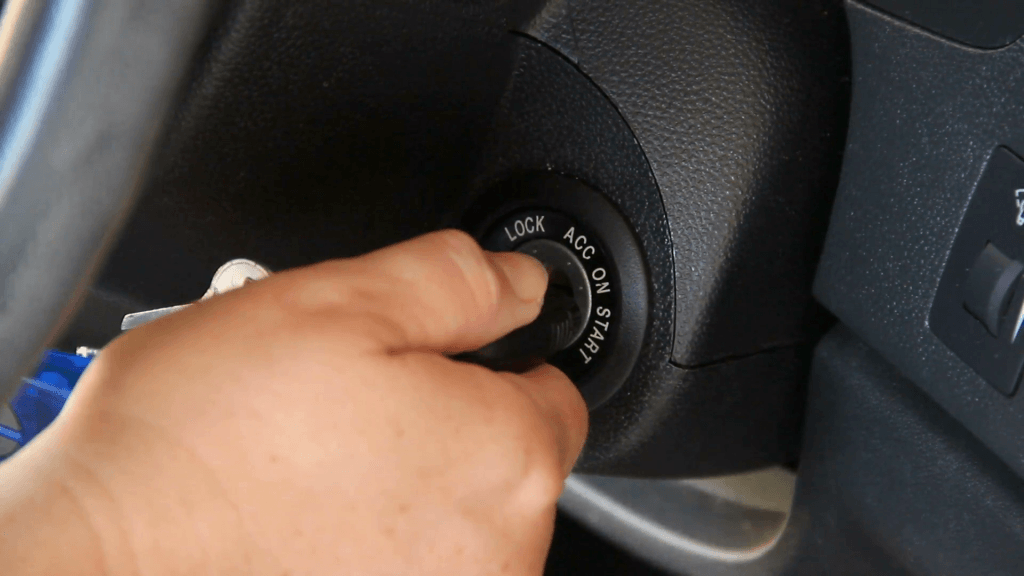
The age-old question. The campfire debate starter. The argument that ignites more passion than a V8 at redline. Should you let your car warm up before driving? For decades, conventional wisdom dictated that letting your engine idle for a few minutes – even in balmy weather – was crucial for longevity. But with advancements in engine technology and oil formulations, is this still the case? Let's dive in and separate fact from fiction.
The Old School Mentality: Carburetors and Conventional Oil
Back in the day, particularly with carbureted engines and mineral-based oils, the answer was almost universally yes. Carburetors relied on engine vacuum to draw fuel, and in cold weather, fuel atomization was poor. This resulted in a lean mixture initially, causing rough idling and potential stalling. Moreover, conventional oils thickened significantly in cold temperatures, making it harder for them to circulate and properly lubricate critical engine components. Letting the engine idle allowed the carburetor to warm up and the oil to thin out, ensuring better performance and reduced wear.
Consider these specs for a classic example:
| Feature | 1969 Ford Mustang Mach 1 (351 Windsor V8) |
|---|---|
| Engine Type | 351 cu in (5.8L) Windsor V8, Carbureted |
| Oil Type (Typical) | SAE 30 Mineral Oil |
| Cold Start Characteristics | Rough idle, prone to stalling without warm-up |
The Modern Era: Fuel Injection and Synthetic Oil
Today's vehicles are a different beast entirely. Fuel injection systems use sensors to precisely meter fuel delivery, compensating for cold temperatures and ensuring optimal air-fuel mixture even on startup. Furthermore, synthetic oils are engineered to maintain their viscosity across a much wider temperature range, flowing freely even in sub-zero conditions. This means critical components receive immediate lubrication, minimizing wear and tear.
Compare that to a modern sports car:
| Feature | 2023 Toyota GR86 |
|---|---|
| Engine Type | 2.4L Boxer Engine, Direct/Port Injection |
| Oil Type (Factory Fill) | 0W-20 Synthetic Oil |
| Cold Start Characteristics | Smooth idle, minimal warm-up required |
The Pros and Cons of Warming Up (Modern Cars):
- Pros:
- Potentially slightly reduced wear on turbochargers, as oil pressure builds before demanding performance (especially on older designs).
- Slightly more comfortable cabin temperature (if you're in a particularly cold climate).
- Cons:
- Increased Fuel Consumption: Idling burns fuel without covering any distance.
- Increased Emissions: Cold starts produce significantly higher emissions than warm starts. Idling prolongs this phase.
- Potential Engine Damage: Prolonged idling can cause fuel to wash past piston rings, diluting the oil and reducing its lubricating properties. This is especially true in older vehicles.
- Unnecessary Wear and Tear: Components like the catalytic converter are designed to operate at higher temperatures and may degrade faster if constantly subjected to prolonged cold idling.
- It’s often illegal: Many municipalities have anti-idling laws.
Real-World Driving Impressions and Expert Opinions:
I've driven countless cars, from vintage classics to cutting-edge EVs. With modern vehicles equipped with synthetic oils and fuel injection, I've found that a long warm-up is simply unnecessary. In fact, gentle driving after a brief 30-second to 1-minute idle is often the best way to warm up the engine. This puts the engine under a light load, allowing it to reach operating temperature more quickly and efficiently.
Leading automotive engineers and mechanics generally agree. Their recommendation often hinges on the type of vehicle. For older cars, particularly those with carburetors, a longer warm-up period is still advisable. However, for most modern cars, a quick idle followed by gentle driving is the optimal approach.
The Bottom Line:
For most modern cars, a prolonged warm-up is an outdated practice. Get in, start the engine, wait for about a minute (enough time to buckle up and get your playlist going), and then drive gently until the engine reaches operating temperature. This approach balances engine protection with fuel efficiency and reduced emissions.
However, this advice comes with a caveat. If you live in an extremely cold climate (think well below freezing) or drive an older vehicle with a carburetor and conventional oil, a slightly longer warm-up might still be beneficial. Use your best judgment and listen to your car! If it's chugging and sputtering, a longer warm-up is probably in order.
Now, here's the controversial part: What about cars with turbos? Do they *really* benefit from a longer warm-up, or is that just more automotive folklore? Let the debate begin!