
Signs That Your Transmission Is Going Bad
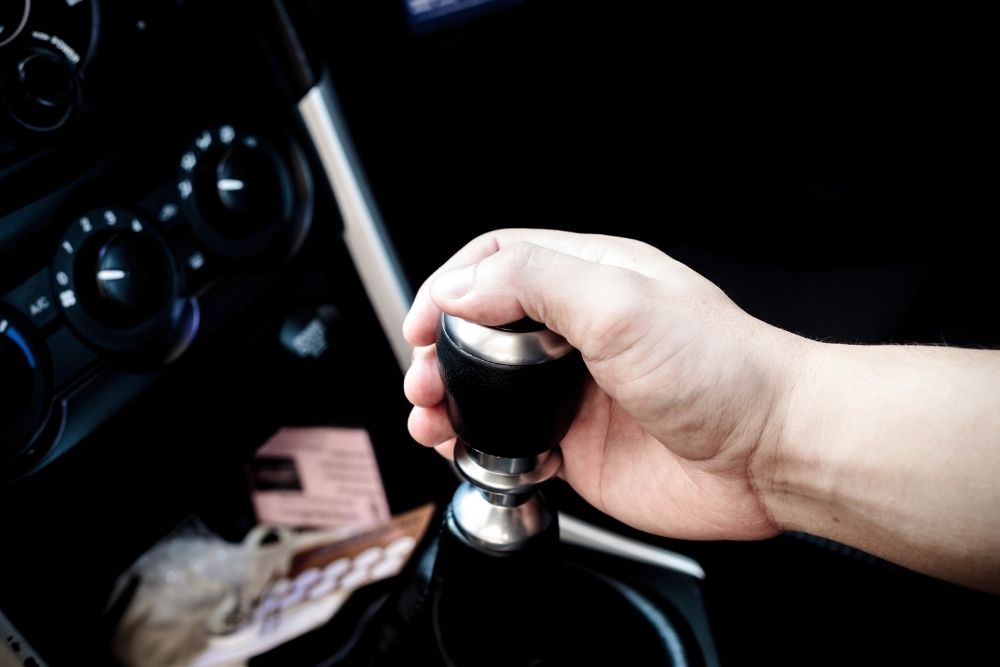
The transmission, often called the heart of your vehicle's drivetrain, is responsible for transferring power from the engine to the wheels. A healthy transmission ensures smooth acceleration, efficient fuel economy, and a generally enjoyable driving experience. However, like any complex mechanical system, transmissions are prone to wear and tear. Ignoring the early warning signs of a failing transmission can lead to expensive repairs or even a complete breakdown, leaving you stranded and out of pocket. This article will delve into the key indicators of a transmission on its way out, highlighting the nuances between different vehicle types and technologies.
Common Signs of a Failing Transmission: A Universal Perspective
While the specifics might vary depending on whether you're driving a vintage muscle car or a modern hybrid, some symptoms are almost universally indicative of transmission trouble:
- Slipping Gears: This is perhaps the most common and easily identifiable symptom. You'll notice the engine revving higher than normal without a corresponding increase in speed. It feels like the transmission is struggling to hold the gear.
- Rough or Jerky Shifting: Instead of smooth transitions between gears, you experience harsh jolts or noticeable delays. This is more pronounced in automatic transmissions but can also occur in manuals.
- Unusual Noises: Whining, humming, or clunking sounds emanating from the transmission area, especially during gear changes, are a major red flag.
- Burning Smell: A distinct burning odor, often originating from the transmission fluid overheating, is a serious warning sign. This can indicate low fluid levels, excessive friction, or internal component damage.
- Difficulty Shifting: In manual transmissions, you might struggle to engage certain gears, or the shifter may feel stiff and unresponsive.
- Check Engine Light: While the check engine light can illuminate for a multitude of reasons, a transmission-related code should always be investigated promptly.
- Leaking Fluid: Reddish-brown fluid puddles under your car, especially near the transmission, indicate a leak. Low transmission fluid can lead to severe damage.
Differentiating Automatic and Manual Transmissions: Specific Warning Signs
The internal workings of automatic and manual transmissions differ significantly, leading to variations in failure symptoms.
Automatic Transmissions:
Automatic transmissions rely on complex hydraulics and electronic controls for gear selection. Common issues specific to automatics include:
- Delayed Engagement: When shifting into Drive or Reverse, there's a noticeable delay before the transmission engages.
- Erratic Shifting: The transmission shifts randomly or hunts for the correct gear, leading to inconsistent performance.
- Torque Converter Problems: Issues with the torque converter, which couples the engine to the transmission, can manifest as stalling, poor acceleration, or vibrations.
Manual Transmissions:
Manual transmissions depend on the driver's input and mechanical linkages for gear changes. Specific problems include:
- Clutch Slippage: The clutch fails to fully engage, causing the engine to rev without transferring power to the wheels.
- Grinding Gears: A harsh grinding sound when attempting to shift gears, often due to worn synchronizers.
- Sticking or Difficult Shifting: Difficulty engaging gears, especially when cold, often indicates worn synchros or a damaged clutch.
Model and Engine Specific Considerations: A Deeper Dive
The specific symptoms and failure modes can also vary depending on the vehicle model, engine type, and transmission technology. For example:
- Older Muscle Cars (e.g., Ford Mustang with a C4 automatic): These often exhibit slipping gears and delayed engagement due to the age of the internal seals and clutch packs.
- Modern Performance Cars (e.g., BMW M3 with a DCT): Dual-clutch transmissions (DCTs) are susceptible to issues with the mechatronics unit, leading to jerky shifting and error codes.
- Trucks and SUVs (e.g., Ford F-150 with a 10-speed automatic): The higher torque demands placed on these vehicles can accelerate wear and tear, leading to slipping gears and torque converter problems.
- Hybrid Vehicles (e.g., Toyota Prius with an eCVT): Electrically driven Continuously Variable Transmissions (eCVTs) rely heavily on electronic controls. Failure can manifest as complete power loss or erratic motor control.
Spec Table Example: Comparing Transmission Failure Symptoms
| Transmission Type | Common Failure Symptom | Potential Cause |
|---|---|---|
| Old School Hydramatic (GM TH350) | Soft or Delayed Shifts | Worn Valve Body, Clogged Filter |
| Modern 8-Speed (ZF 8HP) | Harsh Downshifts | Adaptive Learning Issues, Solenoid Malfunction |
| Manual Transmission (Getrag 265) | Grinding into 2nd Gear | Worn Synchronizers |
| eCVT (Toyota Prius) | Sudden Power Loss | Inverter Failure, Motor Control Unit Issue |
Real-World Driving Impressions: Feeling the Difference
Beyond the technical aspects, the best way to diagnose a failing transmission is often through careful observation while driving. Pay attention to the following:
- Acceleration: Is the car accelerating smoothly and linearly, or does it feel hesitant or underpowered?
- Shift Points: Are the shifts occurring at the appropriate RPMs, or are they too high or too low?
- Engine RPM: Is the engine RPM fluctuating wildly without a corresponding change in speed?
- Vibrations: Are there any unusual vibrations felt through the steering wheel or seat, especially during acceleration or deceleration?
- Overall Smoothness: Does the car feel smooth and refined, or does it feel rough and unrefined?
Pro/Con: Early Detection vs. Ignoring the Problem
- Early Detection (Seeking Repair Immediately)
- Pros: Potentially less expensive repairs, prevents further damage, avoids being stranded, maintains vehicle value.
- Cons: Requires time and effort for diagnosis and repair, initial expense.
- Ignoring the Problem (Postponing Repair)
- Pros: Delays the initial expense (temporarily).
- Cons: Leads to more extensive and expensive repairs, increases the risk of breakdown, can damage other components, significantly reduces vehicle value, compromises safety.
Ignoring these warning signs will almost certainly lead to a far more catastrophic, and expensive, failure down the line. Early detection and intervention are key to preserving your vehicle and your wallet.
Disclaimer: This article is for informational purposes only and should not be considered a substitute for professional diagnosis and repair. Always consult a qualified mechanic for any transmission-related issues.
So, after reading this, which is the *most* terrifying transmission problem to experience while driving, and *why*? Let the debate begin!