
Signs You Need To Change Your Fuel Filter
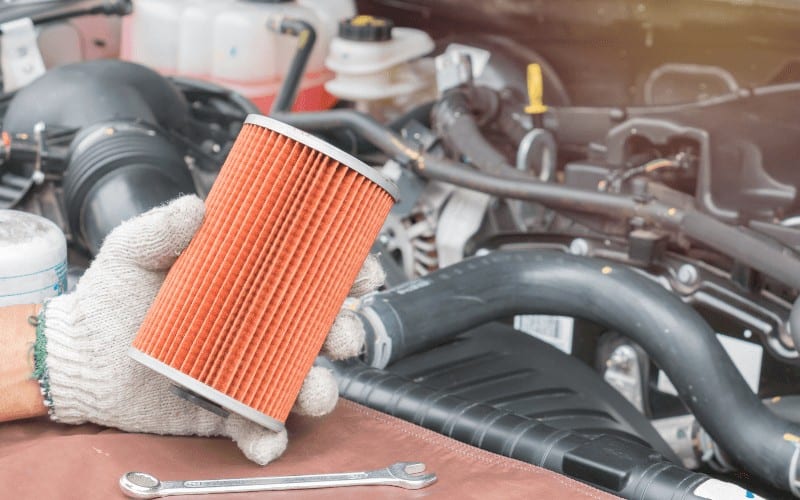
Hey there, fellow car owners! Is your vehicle feeling a bit sluggish lately? Maybe it's hesitating when you accelerate, or even stalling out of the blue? Before you start panicking about major engine repairs, let's talk about a common culprit: your fuel filter. This often-overlooked component plays a critical role in keeping your engine running smoothly, and when it gets clogged, it can cause a whole host of problems. Think of it like a coffee filter for your car – it traps all the dirt and debris before it reaches the delicate engine components. In this article, we'll walk through some tell-tale signs that indicate it's time for a fuel filter change, and give you some practical advice to get you back on the road.
Recognizing the Warning Signs
The symptoms of a clogged or failing fuel filter can vary depending on the severity of the blockage. Here are some of the most common indicators:
1. Difficulty Starting
If you're finding it increasingly difficult to start your engine, especially after it's been sitting for a while, a clogged fuel filter could be the reason. When the filter is restricted, it struggles to deliver enough fuel to the engine during startup. This can manifest as prolonged cranking or the engine sputtering before finally starting. This is especially noticeable in colder weather, when the engine needs more fuel to get going.
Tip: Don't confuse this with a failing battery or starter motor. If your battery is weak or your starter is struggling, you'll likely hear slow cranking sounds. If the engine cranks normally but doesn't start easily, the fuel filter is a more likely suspect.
2. Engine Stalling
Engine stalling, particularly at low speeds or when idling, is another classic sign of a restricted fuel filter. When the engine isn't getting a consistent and sufficient supply of fuel, it can simply shut down. This can be quite dangerous, especially if it happens while you're driving in traffic. A stalling issue could also mean a deeper problem, but checking the fuel filter is a good place to start.
3. Hesitation During Acceleration
Does your car hesitate or stumble when you press the accelerator pedal? This is a very common symptom of a fuel filter that's starting to clog. When you demand more power from the engine, it needs more fuel. If the filter can't deliver that fuel quickly enough, you'll experience a noticeable lag or hesitation. This can make merging onto the highway or overtaking other vehicles quite challenging.
4. Decreased Fuel Efficiency
A drop in your car's fuel economy is a more subtle but still important indicator. When the engine isn't getting enough fuel due to a clogged filter, it has to work harder to maintain the same level of performance. This results in the engine using more fuel overall, leading to a noticeable decrease in miles per gallon (MPG). Keep an eye on your fuel consumption over time – if you see a consistent decline, it's worth investigating the fuel filter.
5. Rough Idling
A clogged fuel filter can cause the engine to idle roughly, vibrating or shaking noticeably. This is because the engine isn't receiving a smooth and consistent flow of fuel, leading to uneven combustion. You might also notice fluctuations in the RPMs (revolutions per minute) while idling. This is similar to how stalling is a symptom, and should also be investigated soon.
6. Engine Misfires
Engine misfires occur when one or more cylinders in the engine fail to fire properly. This can be caused by a variety of issues, but a clogged fuel filter can certainly contribute. When the filter restricts fuel flow, it can lead to inconsistent fuel delivery to the cylinders, causing them to misfire. You might notice a "jerky" feeling while driving, along with a flashing check engine light (CEL). If you have a flashing CEL, get it checked out by a mechanic immediately, as it can indicate a more serious problem.
7. Check Engine Light (CEL)
While not always directly related, a clogged fuel filter can sometimes trigger the check engine light. This is because the engine control unit (ECU) monitors various engine parameters, including fuel pressure and oxygen sensor readings. If these readings deviate significantly from the expected values due to a fuel restriction, the ECU may register a fault code and illuminate the CEL. Get the code read by a mechanic or with a code reader to determine the cause, and don't ignore it!
The Solution: Replacing the Fuel Filter
Fortunately, replacing a fuel filter is a relatively straightforward and inexpensive repair. Here's a general overview of the process:
- Gather Your Tools: You'll typically need a wrench (the size will vary depending on your vehicle), a fuel filter wrench (if applicable), a screwdriver, a drain pan, safety glasses, and gloves.
- Locate the Fuel Filter: The location of the fuel filter varies depending on the vehicle make and model. It's often located along the fuel line, either under the car near the fuel tank or in the engine compartment. Consult your owner's manual or a repair manual for specific instructions.
- Relieve Fuel Pressure: This is a crucial step to prevent fuel from spraying everywhere when you disconnect the fuel lines. There are several ways to relieve fuel pressure; consult your repair manual for the recommended method for your vehicle. Some vehicles have a Schrader valve on the fuel rail that allows you to bleed off pressure. Others require disconnecting the fuel pump relay and running the engine until it stalls.
- Disconnect the Fuel Lines: Carefully disconnect the fuel lines from the filter. Be prepared for a small amount of fuel to spill, even after relieving the pressure. Use a drain pan to catch any spilled fuel.
- Remove the Old Filter: Remove the old fuel filter from its mounting bracket.
- Install the New Filter: Install the new fuel filter, making sure to orient it correctly (there's usually an arrow indicating the direction of fuel flow). Connect the fuel lines and tighten the connections securely.
- Prime the Fuel System: Turn the ignition key to the "on" position (without starting the engine) for a few seconds to allow the fuel pump to prime the fuel system. Repeat this a few times.
- Start the Engine: Start the engine and check for leaks around the fuel filter connections. If you see any leaks, tighten the connections further.
Important Safety Note: Working with fuel can be dangerous. Always work in a well-ventilated area, wear safety glasses and gloves, and avoid open flames or sparks. Dispose of used fuel filters and spilled fuel properly. If you're not comfortable working on your fuel system, it's best to have a qualified mechanic perform the repair.
Cost Considerations
The cost of replacing a fuel filter can vary depending on several factors, including the type of vehicle, the type of fuel filter, and whether you do it yourself or have a mechanic perform the repair. A new fuel filter typically costs between $15 and $50. If you have a mechanic do the job, labor costs can add another $50 to $150, bringing the total cost to between $65 and $200. While it might seem tempting to put this job off, ignoring a clogged fuel filter can lead to more serious (and expensive) engine problems down the road, such as a damaged fuel pump or injectors.
In conclusion, paying attention to the warning signs and replacing your fuel filter at the recommended intervals (usually every 20,000 to 30,000 miles) is a simple and effective way to keep your engine running smoothly and efficiently. By addressing this potential issue promptly, you can avoid more costly repairs and enjoy a more reliable and enjoyable driving experience. Happy motoring!